Earlier this week, the King County Office of the Ombuds released an independent review of 19 community organizations that were subject to the 2025 Audit of the Department of Community and Human Services (DCHS) that I had called for years ago. The report identified nearly $700,000 in questionable costs across 16 of the 19 community partners reviewed.
According to the Ombuds Office, waste, fraud, or abuse likely occurred in some cases and cannot be ruled out in others without additional investigation. The Ombuds Office has stated that it will refer specific observations indicating possible fraud, forgery, or attempted theft of funds to law enforcement.
“This report confirms exactly what I was afraid we’d find when I started calling for an audit all the way back in 2023. These programs can’t just be left to operate on their honor – they need oversight and regular scrutiny to ensure taxpayer dollars actually reach the people they are intended to help.” - Councilmember Reagan Dunn
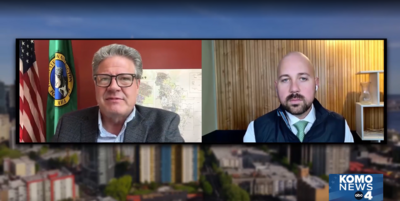
Watch my interview with KOMO below.
As many of you know, I first raised concerns about King County-funded juvenile diversion and community-based programs in 2023, when I called for a state audit of those programs. In 2024, I followed up by requesting that the King County Auditor conduct a financial and performance audit of Restorative Community Pathways.
That audit was completed in 2025 and identified serious problems in DCHS contract oversight and financial controls. During the audit process, the King County Auditor referred additional compliance concerns involving community partner contracts for further review. After I called for an independent investigation, that review was referred to the Office of the Ombuds, which commissioned the report released this week.
In response to the original DCHS audit, the King County Council unanimously passed my DCHS grant oversight reform legislation, which requires stronger financial controls, risk assessments, contractor training, monitoring, and reporting requirements for taxpayer-funded grants. I also recently introduced ethics reform legislation to strengthen conflict-of-interest rules, broaden the relationships covered by County ethics standards, and require conflicts to be resolved — not merely disclosed.
I want to thank Executive Zahilay for working with me to reform these processes and restore taxpayer trust in our government. I also want to specifically thank Councilmembers Dembowski, Perry, and Von Reichbauer, who are sponsoring legislation with me to establish an Inspector General Division. There is still much more to do, and I look forward to working with my Council colleagues to strengthen oversight, recover public funds, and ensure King County has the tools it needs to protect taxpayer dollars.
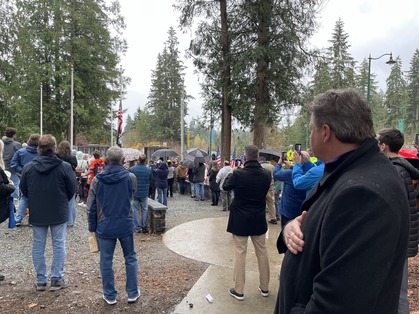
Councilmember Reagan Dunn touring flood construction work.
Following the federal government’s Major Disaster Declaration, which came after an official request by Governor Ferguson in coordination with many local stakeholders and elected leaders, Washingtonians affected by December’s historic flooding can apply for federal assistance before Wednesday, June 10.
There are three types of federal assistance available to individuals: FEMA Individual Assistance, Disaster Unemployment Assistance, and low-interest loans for individuals and businesses from the Small Business Administration.
FEMA Individual Assistance
So far, FEMA has distributed $6.5 million in Individual Assistance to 715 households.
Individual Assistance funding can help with expenses that insurance does not cover, such as temporary housing or displacement assistance, home repair costs, personal property loss, and other disaster-caused expenses. These are not loans. Washingtonians do not have to pay that money back.
To apply, Washingtonians can:
- Visit DisasterAssistance.gov and apply online;
- Call 800-621-3362;
- Or, visit a Disaster Assistance Center — locations and schedules on DisasterAssistance.gov.
Disaster Unemployment Assistance
The federal Major Disaster Declaration also unlocked Disaster Unemployment Assistance. This is for people who lost their job, temporarily or permanently, because of the disaster, but did not qualify for regular unemployment.
This includes small business owners, people who don’t have enough hours in their base year to qualify for regular unemployment, or people who work in a field not covered by unemployment law, such as real estate agents.
For more information, and to apply, visit ESD.wa.gov or call 855-952-9988.
Small Business Administration loans
The Small Business Administration offers low-interest Disaster Assistance Loans to homeowners, renters, business owners and non-profits.
SBA loans can be used for losses not covered by insurance or FEMA funding, for both individuals and businesses. These loans can cover physical damage to your home or business, as well as economic injuries to businesses to help cover costs and expenses the business would have been able to handle if the disaster did not happen.
To learn more, or apply, visit SBA.gov.
|