|
|
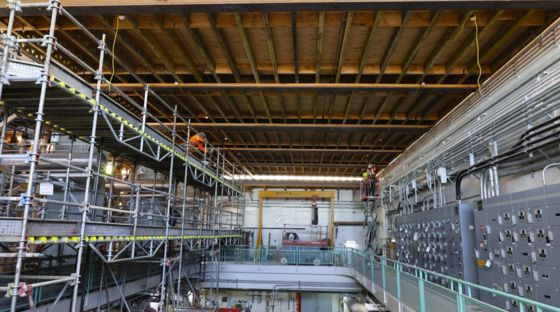
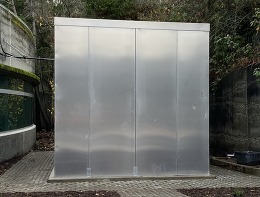
A look at the new raw sewage pump facility roof.
In 2025, we led 13 active construction projects at West Point Treatment Plant in Seattle. These projects upgraded old equipment and made structural improvements. This work makes our wastewater system safer and more reliable. It also increases our resilience to seismic and climate impacts. Here are updates on a few of the projects:
-
Raw Sewage Pump Replacement: Crews completed building the new control room and installed a new roof. These early steps prepared the space for the new electric pump system and made the building more resilient to earthquakes. This summer, we will begin replacing the first pump, originally installed in 1966. Read more about this project on our blog.
-
Effluent Pump Station (EPS) Isolation Gates: Crews replaced one gate at the EPS last year. We plan to replace the other three gates this year. The EPS isolation gates allow staff to close and shut down an EPS pump that pushes clean, fully treated wastewater out into Puget Sound. Closing the gate allows staff to repair a pump while the system continues to run. This approach helps avoid shutdowns and lowers maintenance costs.
-
Grit Classifier Replacement: Crews replaced two grit classifiers that were more than 30 years old! They will replace two more this year. Watch the video below to hear WTD Director Kamuron Gurol explain why this project matters. He also shares how low-interest federal and state loans helped save ratepayer dollars.
|
|
|
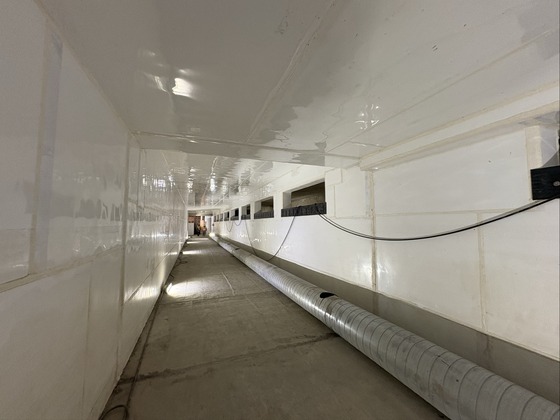
A look inside the passive weir surge channel.
After a year-long construction, the passive weir and fire suppression projects are complete!
The new passive weir system works like the overflow drain in a sink or bathtub. When water gets too high, the overflow drain takes in the extra water, so it doesn’t spill onto the floor. The passive weir works in a similar way. It stops our pipes at West Point Treatment Plant from overfilling. The system reroutes extra wastewater out of the plant through an emergency tunnel. The design also follows our operating permits. This helps protect the plant and our staff during emergencies like heavy rainstorms.
The passive weir project will help reduce the risk of a plant flood like the one at West Point in 2017.
The fire suppression project upgraded the plant’s fire detection and response capabilities. We installed valves to reduce pressure in the water system, preventing leaks or pipe failure. These improvements enhance fire safety and ensure the plant meets current safety standards.
|
|
|
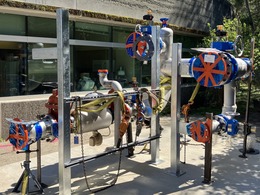
The new fire suppression system pipes.
|
|
How the fire suppression system looks with the completed outer structure.
|
|
Late last year, intense rainstorms and flooding devastated our region. As the storms raged, West Point crews worked day and night to keep the plant running. All our treatment plants saw higher flows, including West Point. Together, our system treated more than 2 billion gallons.
The plant stayed running thanks to the hard work of West Point operators and staff. Investments from ratepayers also play an important role. These investments help ensure we're ready to respond to emergencies, no matter what the weather.
|
|
People say that during the Super Bowl halftime, everyone flushes at once, creating a “super flush” that treatment plants can’t handle.
It’s wild to imagine everyone flushing at once, sending a huge rush of water through the pipes. But the truth is that the system is built for much bigger challenges. West Point Treatment Plant was built to handle 440 million gallons of water per day. Across King County’s three major treatment plants, the wastewater system can handle up to 865 million gallons per day. That’s close to 10,012 gallons per second!
|
|
|
|