|
 Pumper trucks positioned at Black Diamond Pump Station as teams work to keep the facility operating safely.
As intense rainstorms and historic flooding affected communities across King County and the region this month, our Wastewater Treatment Division crews worked around the clock to protect public health and local waterways. Despite unprecedented conditions, the wastewater system performed well, handling maximum flows at our regional treatment plants and treating more than 2 billion gallons of wastewater without major issues.
Crews responded quickly to challenges, including deploying pumper trucks at the Black Diamond Pump Station to prevent an overflow, maintaining operations at the Carnation Treatment Plant after floodwaters cut off access, and protecting South Treatment Plant in Renton during a flood warning. Our Industrial Waste Program team also took proactive steps to reduce risk by reaching out to businesses in flood zones to prevent potential hazardous contamination. Our Communications team provided information on our Incident Response webpage and social media and supported the County Emergency Operations Center.
Together, these efforts highlight how the skill and dedication of our staff — along with ongoing investments to our wastewater system — are critical, especially during extreme weather events.
|
|
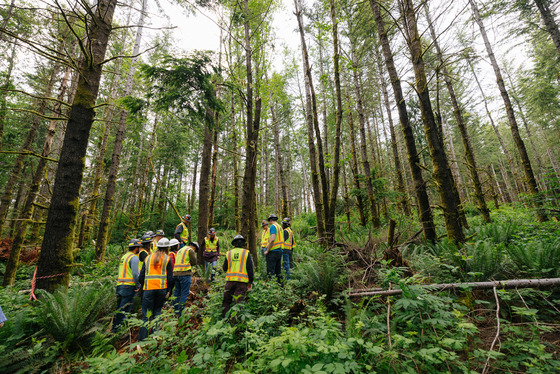 A group of Wastewater Treatment Division employees tour a site of Loop biosolids forest application.
2025 was a year of keeping things moving and building for the future. Work continued across neighborhoods, facilities, and waterways, strengthening the system in ways that matter every day. We advanced important capital projects, upgraded aging infrastructure, and continued the cleanup work in the Lower Duwamish Waterway, all while maintaining reliable service across the region. Take a look back at what we accomplished in 2025 and what’s already taking shape in the year ahead.
|
|
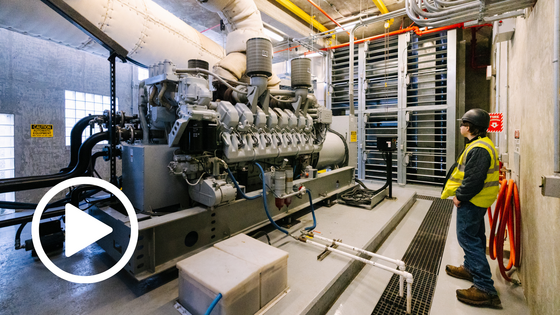 Click the image to watch the video.
When storms knock out power, backup generators quietly take over behind the scenes. More than 100 engines across our system help keep critical equipment running, with offsite operators like Trevor Bagley making sure they’re ready at a moment’s notice. Take a look at how this work keeps our system moving through the wet season.
|
|
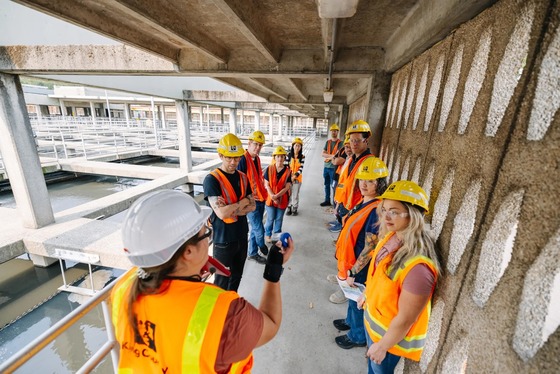 Industrial users learn about the primary sedimentation tank during their tour of South Treatment Plant in Renton.
Protecting Puget Sound starts at our homes and businesses. Certain chemicals can disrupt wastewater treatment, harm beneficial bacteria, and put our clean water permits at risk.
The King County Industrial Waste Program reaches out to 11,000 businesses across our service area through the Industrial User Survey to better understand what’s entering the wastewater system, including chemicals like PFAS and 6PPD-Q. If your business received information about the survey, please take a few minutes to complete it online and help protect our waterways.
|
|
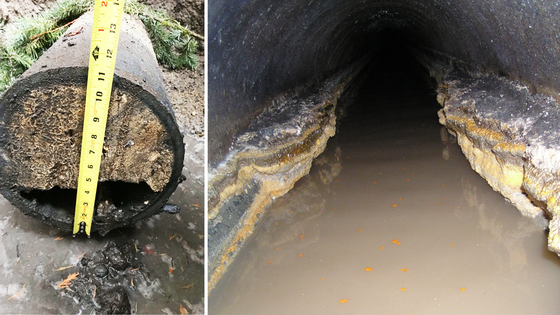 Sewer pipes lined with hardened fats, oils, and grease
Gravy, butter, and cooking oil are holiday cooking staples, but they don’t belong in your drain. When fats, oils, and grease, also known as FOG, are poured down the sink, they cool, harden, and can create stubborn clogs that lead to costly repairs and big headaches for our wastewater system. The result isn’t pretty, or festive, and it definitely doesn’t smell great. According to Public Health – Seattle & King County, it may also help prevent rats from climbing up your sewer pipes and surprising you in the toilet!
Luckily, keeping your pipes FOG-free is easy. Wipe small amounts of grease with paper towels or newspaper and dispose of them properly. For larger amounts of oil, pour them into a sealed container before tossing it out. A little extra care in the kitchen helps keep things flowing smoothly all season long.
|
|
|
Catch our latest stories on Facebook and Instagram. See updates, photos, and behind-the-scenes moments. Follow along and stay connected!
|
|
|
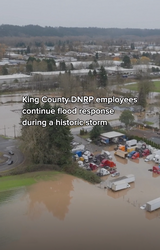
Across King County, teams continue working around the clock to respond to flooding and protect communities and critical services.
|
|
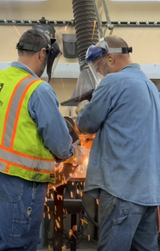
Through welding and grinding, skilled workers strengthen sewer pipes and help keep our system reliable for the long term.
|
|
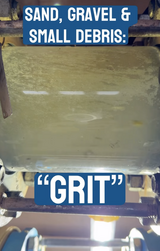
Big storms mean big flows, and a lot more grit moving through the system. Here’s a look at what operators deal with during flooding events.
|
|
|
|