|
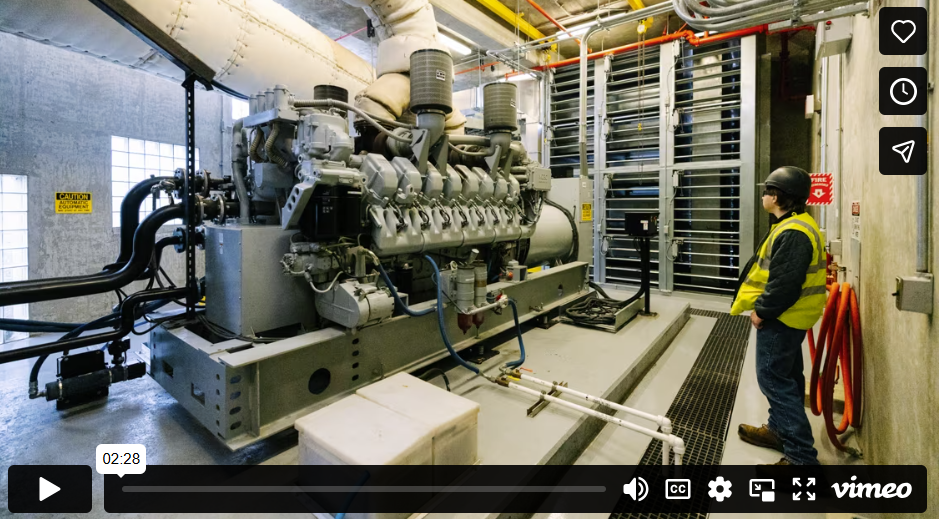 The Puget Sound region has experienced historic flooding. In fact, all three regional treatment plants have been experiencing higher-than-normal flows, and our system has treated a total of more than 2 billion gallons over the past week. Across our 424-square-mile service area, one of the ways we prepare for the wet weather is by maintaining backup generators. We have them at pump stations, regulator stations, and treatment plants. a storm.
|
|
|
You can do your part to help protect your property and neighborhood on rainy days by clearing storm drains free of leaves, sticks and debris. If you have a yard, rake up your leaves before they reach the drain. In winter, keep snow and ice from blocking drains. Learn more about storm drain care on the Seattle Public Utilities’ website.
|
|
|
Ready to start your career in wastewater treatment operations? Apply for the Operator-in-Training (OIT) Program today!
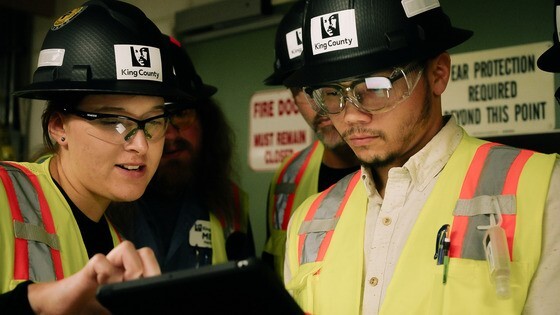 Operator-in-Training Program students reviewing a tablet.
We are hiring for multiple OIT positions for 2026. This hands-on, paid training program can lead to a rewarding career in clean water services. During your first six months, you'll learn the skills needed to operate essential wastewater treatment equipment and work toward earning a Washington State certification. As an OIT, you’ll play an important role in protecting the health of our communities and the environment.
Please note, you must have a high school diploma or GED to apply.
Applications are open until 11:59 p.m. on Monday, December 22!
Please follow this link to learn more about this opportunity and apply.
|
|
|
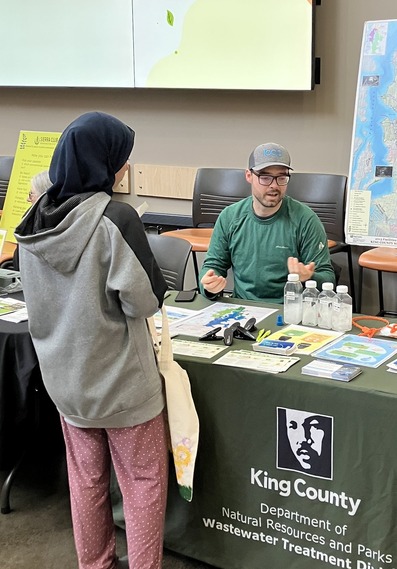
West Point outreach staff attended Edmonds College Sustainability Day.
We participated in Sustainability Day at Edmonds College on October 15. We discussed how we treat wastewater and the projects we have underway. We informed attendees about our pipe system and what should not be flushed.
We also shared information about jobs at WTD. This includes internships and the Operator-In-Training Program. Some careers include environmental engineers, sustainability specialists, and many more!
|
|
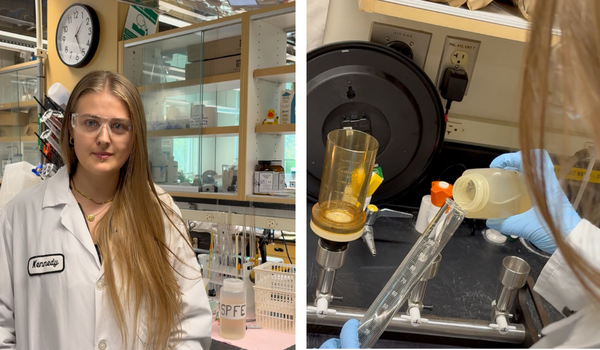 Wastewater Process Analyst Kennedy Tisdel at work in the lab.
Staff at the South Treatment Plant Lab in Renton test water samples from three of our treatment plants to ensure that the water we return to Puget Sound is clean and safe. They monitor microbes — key organisms that help break down organic waste — as well as nutrient and oxygen levels that can affect our environment and marine life. Join Wastewater Process Analyst Kennedy Tisdel to see the work happening in the lab.
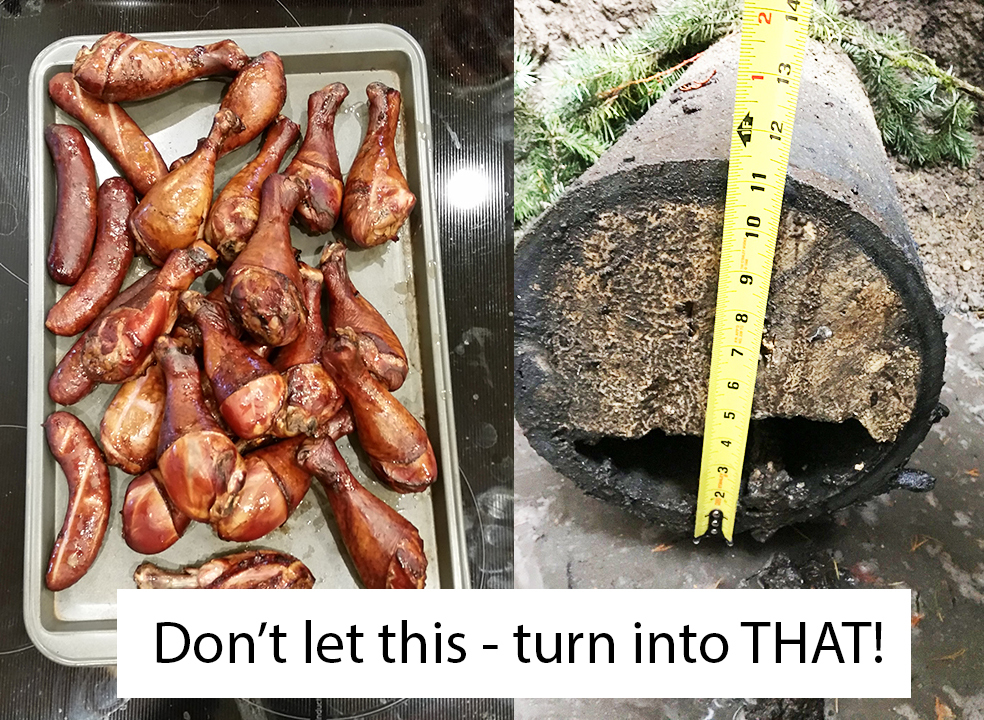 Don't let greasy food turn into clogged pipes.
It’s the holiday season, and that means lots of cooking and tasty meals with friends and family. But when you pour cooking oil or grease down the drain, it can cause big problems. These greasy leftovers can clog pipes, lead to expensive repairs, and even pollute Puget Sound.
To keep things flowing smoothly, remember to keep FOG out of the drain:
What should you do with used cooking oil and grease instead? The correct way to dispose of cooking oil and grease depends on the amount you have.
-
Small amounts of oil and grease can be wiped up by paper towels or newspaper and placed in the compost.
-
Large amounts of liquid oil can be poured into a container, closed with a lid, and placed next to your recycling cart for curbside pickup. If you are a Seattle Public Utilities customer, you have a maximum two plastic, one-gallon containers with a screw-top per pickup. If there is a large amount of grease, you can scrape it into a container, cover with a lid, and place it in the garbage.
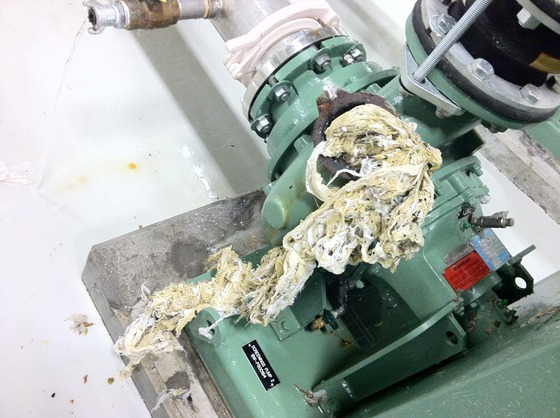 Trash clog pulled from the treatment system.
Your toilet isn’t a trash can. The only things that should go down the toilet are:
- Pee
- Poop
- Puke
- Toilet paper
Everything else—like cleaning wipes, hair, tampons, pads, and “flushable” wipes—can clog pipes and cause backups. Even wipes labeled “flushable” don’t break down like toilet paper does. These items are expensive for you and for us to unclog. Not to mention nasty!
As part of the wastewater treatment process, we use bar screens to capture any solid materials (except 💩) that find their way into our pipes. We then collect and take these materials to a landfill. More often than not, there’s a whole 15-foot dumpster full of common household trash in our treatment area! Sometimes we fill two of these large dumpsters in one-week!
|
|
|
|