|
This newsletter is written by the King County Executive Climate Office (ECO) in coordination with departments across the county. You can learn more about us at the bottom of this newsletter.
“Thank you to our many partners, who advocated and provided their time and energy to make sure this plan offered a streamlined, accessible vision for a healthier, safer future where everyone can thrive,” King County Climate Director Marissa Aho said. “The new flagships in this plan offer a results-driven vision, and we are excited to work with existing and new partners to make them a reality.”
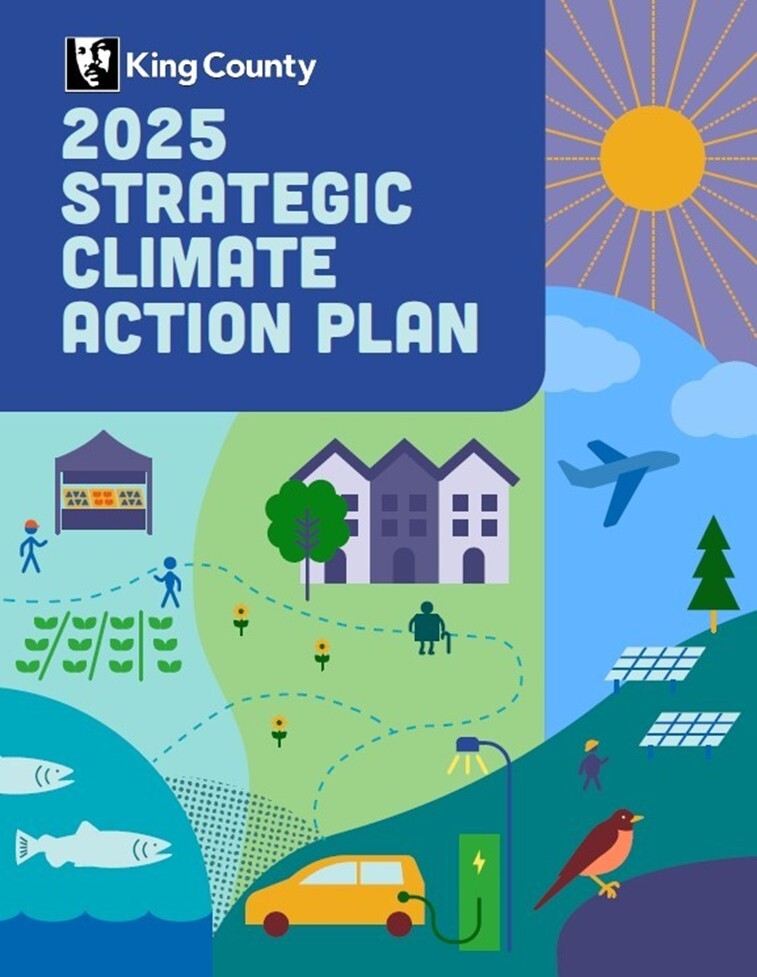 Click here to check out the Strategic Climate Action Plan (SCAP).
We appreciate the engagement we received before and after transmitting the plan to the King County Council – and are most excited for the next step, implementation. We are thrilled to invite community members and organizations that are interested to partner with us in our continued work toward a healthier, more resilient future!
What is the SCAP?
If you aren’t familiar with the SCAP, here’s a breakdown:
King County passed its first Strategic Climate Action Plan— often referred to as the “SCAP”-- in 2012. Since then, plan updates have strengthened the county’s commitments to climate action while also centering frontline communities in policymaking.
Frontline communities are groups of people who are disproportionately impacted by climate change; while they experience the earliest and most severe impacts of climate change, they also often have experiences that empower unique strengths and insights into climate resilience strategies and practices.
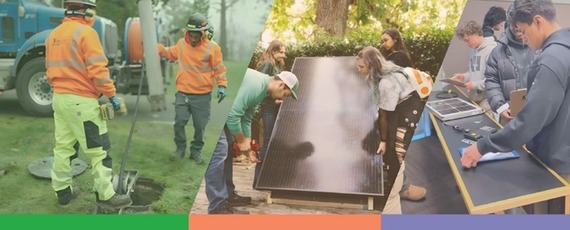
The 2025 plan is a blueprint that will guide the County’s work and actions with partners for the next five years. It includes the Climate and Workforce Strategy, which outlines a path to connect frontline communities to living-wage opportunities, building a skilled and diverse workforce across the career spectrum.
 What is new about the 2025 SCAP?
The 2025 SCAP introduces a new “flagships” section that translates King County's bold vision for climate action into nine outcomes that drive impact across communities. Together, they represent a comprehensive approach that cuts greenhouse gas (GHG) emissions, builds climate resilience, and ensures every investment contributes to a sustainable and equitable King County. The flagships include:
- Put Frontline Communities First
- Safe, Healthy, and Climate-Ready Homes and Buildings
- Connected and Accessible Transportation
- Economic Mobility and Career-Building Opportunities
- Fresh, Local Food for Everyone
- Design Out Waste
- Clean Air, Water, and Healthy Ecosystems
- Reliable and Future-Ready Infrastructure
- Collaborative and Community-Led Solutions
Learn more about the flagships here.
What happens next?
Some of the actions in the 2025 SCAP carry over from the previous plan and are already underway. For others, adoption means new work will begin moving forward. King County welcomes partners who are interested in helping to make these actions a reality! If you’re subscribed to this newsletter, you’ll hear about upcoming engagement and ways to partner with King County. Find other ways to get involved at kingcounty.gov/scap.
Again, thank you to everyone who provided insight, time, input, and expertise into the 2025-2030 SCAP, and we look forward to partnering with even more organizations moving forward. We appreciate your investments in ensuring a clean future and healthy communities for all who call King County home!
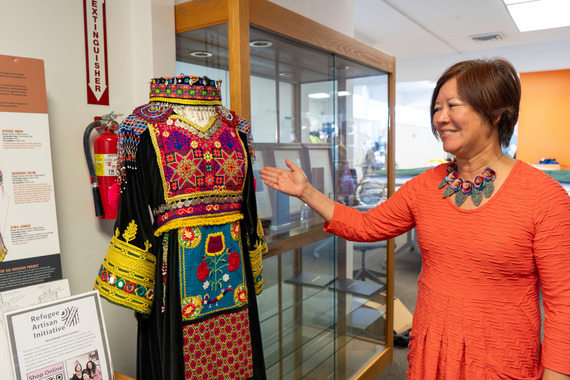 “We can provide them with a living wage, a job working from home... and [give] these materials a second chance so they don’t end up in a landfill.”
Refugee Artisan Initiative (RAI) -- one of King County’s recent Climate Equity Sponsorship recipients -- partners with refugee and immigrant women to build skills, launch small businesses and craft products made with materials that would otherwise go to waste. The Climate Equity Sponsorship program provides support for community organizations to serve King County frontline communities on climate action, policy, and advocacy.
RAI -- pronounced “ray” -- provides economic mobility and career opportunities and helps to design out waste that would otherwise end up in a landfill. Both outcomes are flagships in the newly approved King County Strategic Climate Action Plan.
“We believe creating jobs and preserving our planet can go hand in hand,” RAI Executive Director Ming-Ming Tung-Edelman said.
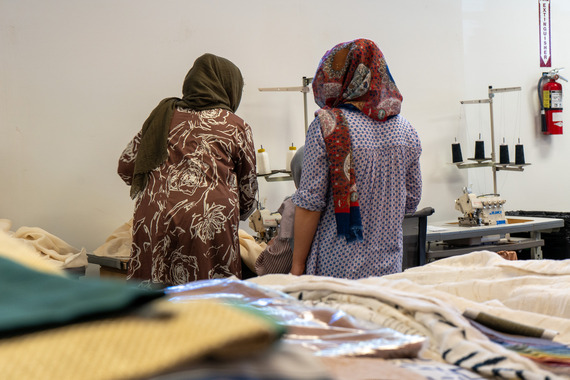 RAI started with Ming-Ming bringing sewing machines to women’s homes along with projects to “upcycle” materials. That meant turning materials that would otherwise go to the landfill into clothing and other items that women could sell to help support their families. Along with the economic benefits, the program helped reduce waste that would otherwise go into landfills.
“Everything from leftover fabric trim, garments you wear, bed sheets, and coffee bags that can’t be recycled,” Ming-Ming explained. “How can we utilize the materials we already have in our community and create something functional with a market value? During COVID we even made 80,000 masks from bed sheets.”
RAI grew into an impactful nonprofit, producing more than 120,000 artisan items, upcycling 5,000 pounds each year from landfills, and donating thousands of hats, masks, and pet products. They provide many resources for their participants, including entrepreneurship support and career skills training. King County’s climate sponsorship fund will help to pay to translate some of their on-boarding materials. A majority of current artisans (43 immigrant and refugee women) are multilingual, many of whom are still building their ESL skills. Roughly 25% of RAI’s artisans are affected by literacy barriers, preventing the sharing of written knowledge. This is where translating written and video materials will be transformative in sharing knowledge and a step towards economic independence.
Everyone is invited to support their mission by volunteering, shopping for some of their handmade items, or donating. To learn more, visit refugeesarts.org.
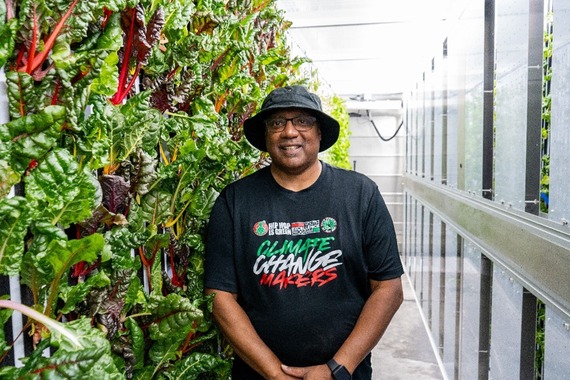 Supporting community-led solutions is a core value of King County’s approach to climate action, and we’re excited to introduce you to the work of one of this year’s Community Climate Resilience Grant recipients. The 2025 SCAP, which is built around nine flagship outcomes, prioritizes putting frontline communities first and fresh, local food for everyone – missions Hip Hop is Green lives out every day.
Hip Hop is Green received a grant from King County’s Community Climate Resilience grant program to support their education through their Youth Excellence Program (YEP). YEP is a project-based, paid internship for youth aged 11-20 with curriculum centering climate change, social and environmental justice, health equity, food security, leadership, and more.
What they learn includes lessons at Hip Hop is Green’s hydroponic farm in Seattle’s Central District, where the nonprofit grows acres worth of produce, much of which is shared with a local food bank, The Market at Byrd Barr. Construction is also underway on a kitchen where youth will learn to cook what they grow – and share podcasts and videos about the experience. Learn more about the Community Climate Resilience grant program here.
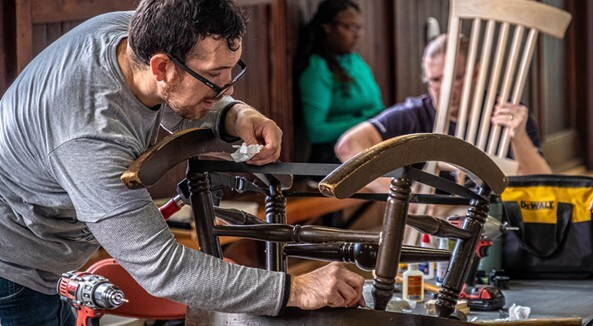 The King County Solid Waste Division recently launched a “Re+ Zero Waste Action Guide” in connection with the past Strategic Climate Action Plan – outlining ways everyone can reduce waste and promote climate action. It’s in line with one of the new SCAP’s flagships – designing out waste.
While climate change is a global challenge that requires systemic action, individual behaviors can also benefit the climate and strengthen communities. The food we eat, the products we buy, and the businesses we support can have a big impact on our carbon footprint. A 2022 King County study estimated that changes in individual household consumption could reduce greenhouse gas emissions by up to 25% by 2050.
The Re+ Zero Waste Action Guide is a resource to help people in and around King County make informed decisions and take actions that reduce their climate impacts. From repairing and re-using materials to shopping for items with more sustainable packaging, check out the tips here.
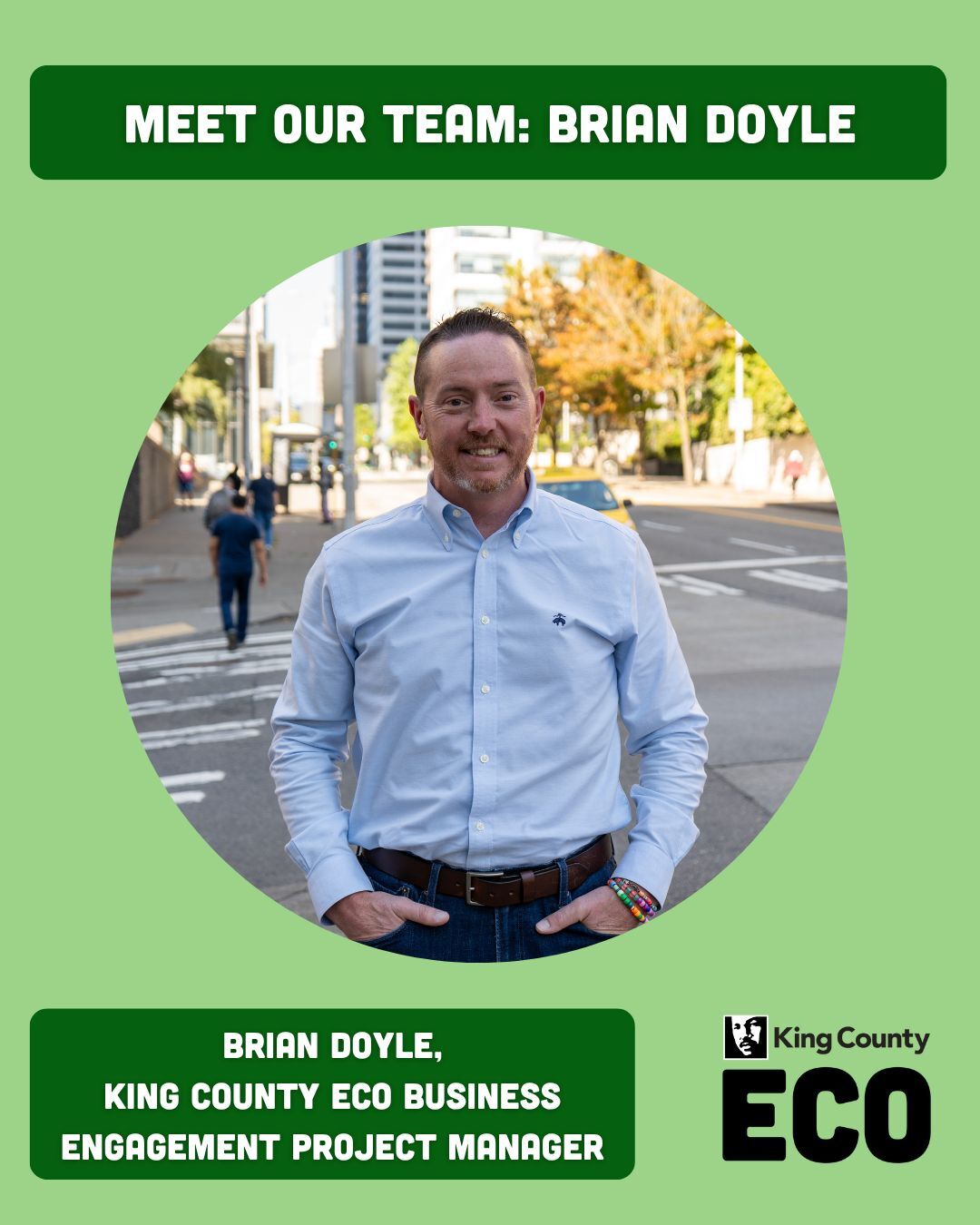 Meet Brian Doyle, King County ECO’s Business Engagement Project Manager. He’s passionate about connecting local businesses with opportunities throughout King County, especially with our JumpStart contractor network and clean energy programs. In his role, he works directly with businesses, and he loves bringing his background and experience as a contractor to the job.
A quote from Brian: “They say small business is the American dream, and we have folks in our network that are from all walks of life, from half a dozen countries originally, and...they're in our network trying to grow their business. They're actively trying to create more opportunity for themselves, and coming from that small business background, I love trying to help those businesses out.”
Brian was born in King County and grew up in Snohomish County, and he has always been passionate about civic engagement and making a difference. He’s excited about the opportunity to bring more businesses into ECO’s work over the coming year!
Want to engage with Brian’s work? E-mail him at BDoyle@kingcounty.gov, and click here to read our full interview with Brian!
Are you familiar with the King County Executive Climate Office (ECO)? Here’s a little more about who we are, and what we do:
Departments across King County implement climate action within their work. King County ECO elevates, coordinates and accelerates those efforts and manages several in-house programs. That includes work on building decarbonization, climate preparedness, climate equity and climate-connected careers. Our agenda is set based on the approaches laid out in the Strategic Climate Action Plan.
ECO works with the broader King County Climate Team, which includes climate leads from different departments.
Please share this newsletter with a friend, and we’ll be back in November with more news and updates. Until then, you can find us on Instagram and LinkedIn!
|