|
Happy Fall from the King County On-site Sewage/Septic System (OSS) Program!
Here in the Pacific Northwest, fall isn’t just when the leaves start changing and the pumpkin spice lattes come out – it's also the start of rainy season. When it starts raining more, your septic system needs to work extra hard to treat wastewater.
Septic Matters is here to help you get started with septic care. This edition includes:
As always, please don't hesitate to reach out if you have questions or comments.
Si tiene alguna pregunta, comuníquese con nosotros a la siguiente dirección de correo electrónico mejackson@kingcounty.gov o llame al 206.263.0547.
|
|

News from the Field highlights real-life septic situations from King County community members and the OSS Program.

Eunbi Lee’s role as community engagement specialist for the OSS program encompasses a lot (from updating webpages and making brochures to speaking at community events like in the picture to the right and more) but the key part of her role is connecting with community members to understand needs and concerns to support safe septic systems. One of the biggest information gaps she’s found for community members on septic is around septic records and maintenance histories.
“Over 90% of septic owners I’ve met,” Eunbi recalls, “don’t know that their septic system records are available online.” Eunbi and the OSS program are working to change this and spread the word that these records are readily available online!
|
How to find your septic records
- Navigate to kingcounty.gov/septicrecords
- Enter your address in the top-right sidebar and search (see below picture). If you are having trouble with the search bar you can also pan on the map and select your address.
-
Once your address is selected in blue on the map, the septic location and maintenance information should display in the left side of the webpage
 Understanding your records
The information you'll see in the septic records lookup includes:
-
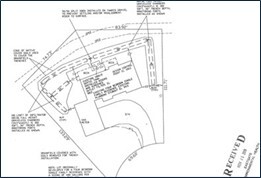
Record drawing or “as-built”: An official septic system drawing permitted by Public Health (see example to the left). “As-built” includes the location of all the septic system components (e.g., tank, distribution box or “d-box”, drainfield trenches, and all pipes that connect each component.) The type of septic system and how many bedrooms it was designed for should be on the first page.
-
Septic system service history: Inspection reports, pumping reports, and “Time of Sale” inspection reports are under Septic maintenance records. These help you know how often your tank needs to be pumped or if any small fixes are needed to prevent bigger septic system problems.
-
Parcel and building information: Links to pages with information about lot size, water district, zoning, and other environmental and land use information.
For whom the records toll? (Why it’s important to understand your septic records)
Septic records are useful for existing & new septic homeowners, buyers who are putting an offer on a property, or real estate agents who represent buyers or sellers of a property with a septic system. By checking the septic records, you can learn about your septic system components, locations, and the history of maintenance to plan for long-term maintenance, replacement, and any building projects you may have in mind.
|
|
|

No! Each individual property has different septic and property conditions that determine the type of septic system. Public Health makes sure the septic designer’s proposed septic type meets minimum code requirements by reviewing soil conditions, lot size, house size, and other aspects that impact septic functioning. Traditional gravity septic systems require a lot of space and soil depth to function properly, so more complex systems are sometimes required on smaller properties with more critical areas or poor soils.
Whether it is a traditional gravity system or an advanced proprietary system, King County puts the septic function at the highest value before stamping “Approved” on the permit.

In case you were not aware, November 19 is World Toilet Day! In advance of this celebration, check out Public Health’s Bridging the Gap Podcast episode featuring 5 essential tips to help keep your septic system well-maintained.
Hear from Public Health inspectors’ lively field experiences to learn key maintenance points, including:
- The difference between septic and sewer systems
- Everyday practices to keep the system functioning,
- Common myths about septic
- Why septic systems are relevant to public health.
|
|
|
If you are in King County, you may qualify for the Septic Maintenance Rebate Program. This rebate program focuses on supporting septic properties with up to $500 for inspection, pumping, or riser installation. Find out more information and apply at kingcounty.gov/picrebates today!
|
|
 |
|
Public Health’s Environmental Health Services Division is transitioning to a new permit system, the Public Health Permit Center on Wednesday, October 29.
This online services portal will include on-site sewage system applications, plumbing and gas piping permitting/ plan review, and more. Learn more on our webpage: kingcounty.gov/PublicHealthPermits.
|
|
|
|
|
|