|
Welcome Alaine Sommargren
|
|
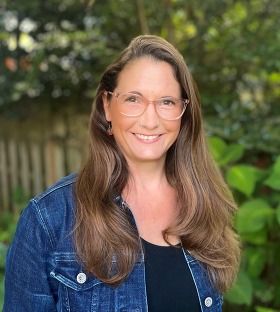
In our December 2025 newsletter, you may remember our farewell to Program Manager Steve Burke, and the retrospective of his two decades of public service. Since Steve’s departure, we’ve been lucky enough to welcome Alaine Sommargren (she/her), as our new Program Manager.
Alaine brings a wealth of knowledge and experience to this role. She has a deep love for restoration ecology, a well-managed budget, and managing dynamic, successful teams. She served for many years on the King County Noxious Weed Control Board and brought her vision to serve on the WA State Noxious Weed Control Board. She has a deep understanding of public service from 18 years’ work for the City of Mercer Island, working in roles such as the Natural Resource Manager, Parks Operations Manager, and Deputy Director of Public Works. We’re delighted she has joined our program and look forward to our work together. Please contact her directly via email at to connect.
|
|
Join the Noxious Weed Board
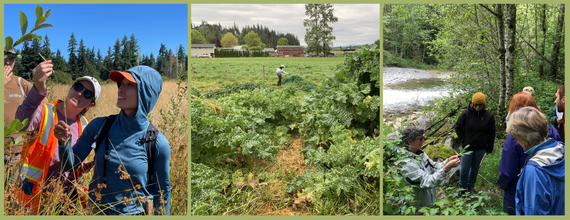 Have you ever wanted to get more involved in supporting the noxious weed control program? We have a rare vacancy on our Noxious Weed Control Board this spring and are looking for a new member. The Board advises the program on noxious weed control, ensuring appropriate direction to minimize the impact of noxious weeds on agriculture, natural areas and the residents of King County. For this board seat opening, applicants must live in weed control district 1. District 1 includes Seattle, Lake Forest Park, Shoreline, Kenmore, Bothell, Kirkland, Woodinville, Redmond, and Bellevue.
For more information visit the link below, call (206) 477-9333 or email noxious.weeds@kingcounty.gov. Applications will be accepted until April 30, 2026.
|
|
"Foxtail" Grasses & Dogs: Identifying, Understanding, and Taking Action
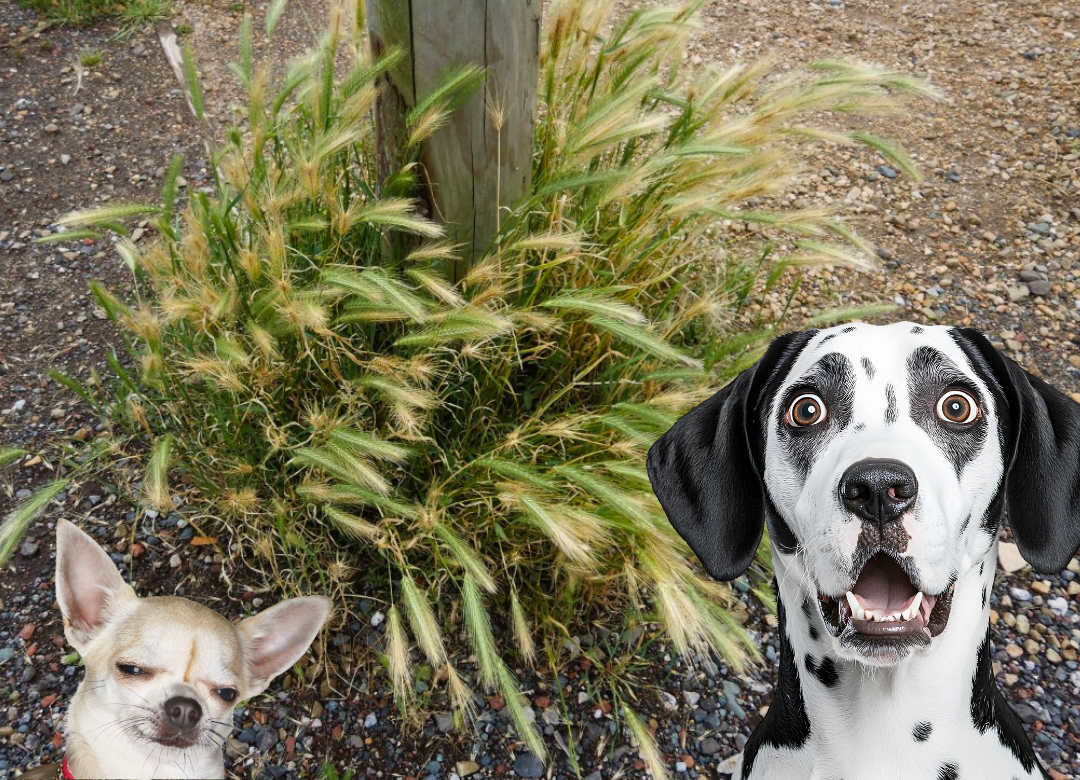
"Foxtails" are a group of grasses with barbed seeds that pose health risks to pets, especially dogs; they include both native and weedy species. Only a few less common "foxtails" are listed as Noxious Weeds, but that can always change. Thankfully there are steps we can take to reduce to impact of these grasses on our pets and community; and learning more about them is the first step.
Whether they’re a longtime foe or news to you, knowledge is power and there’s always more to learn. Get into the weeds about these widespread grasses in our recent blog post, linked below.
|
|
The 2026 Noxious Weed List is Official!
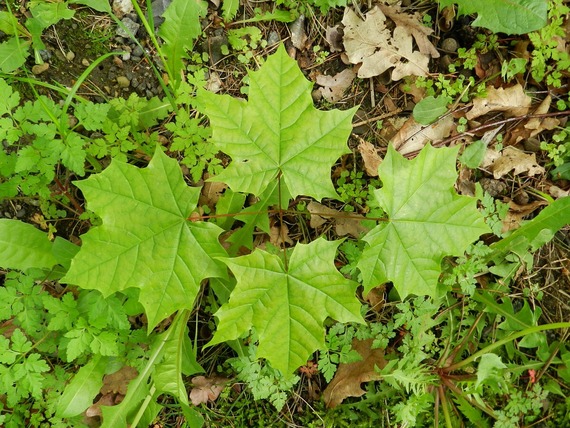 Norway maple is the first maple variety ever added to the Noxious Weed List.
Every year Washington state and county weed boards review and update their noxious weed lists to reflect the evolving needs for land managers, farmers, property owners and public health.
Introducing our 2026 additions:
-
Black locust (Robinia pseudoacacia) - Class C, Non-regulated
-
Norway maple (Acer platanoides) - Class C, Non-regulated
-
Delta arrowhead (Sagittaria platyphylla) - Class A, Regulated statewide
-
Waterhemp (Amaranthus tuberculatus) - Class A, Regulated statewide
Learn more about each of these species & why they were listed in our blog post below.
|
|
Spot the Difference: Garlic Mustard Look-a-likes
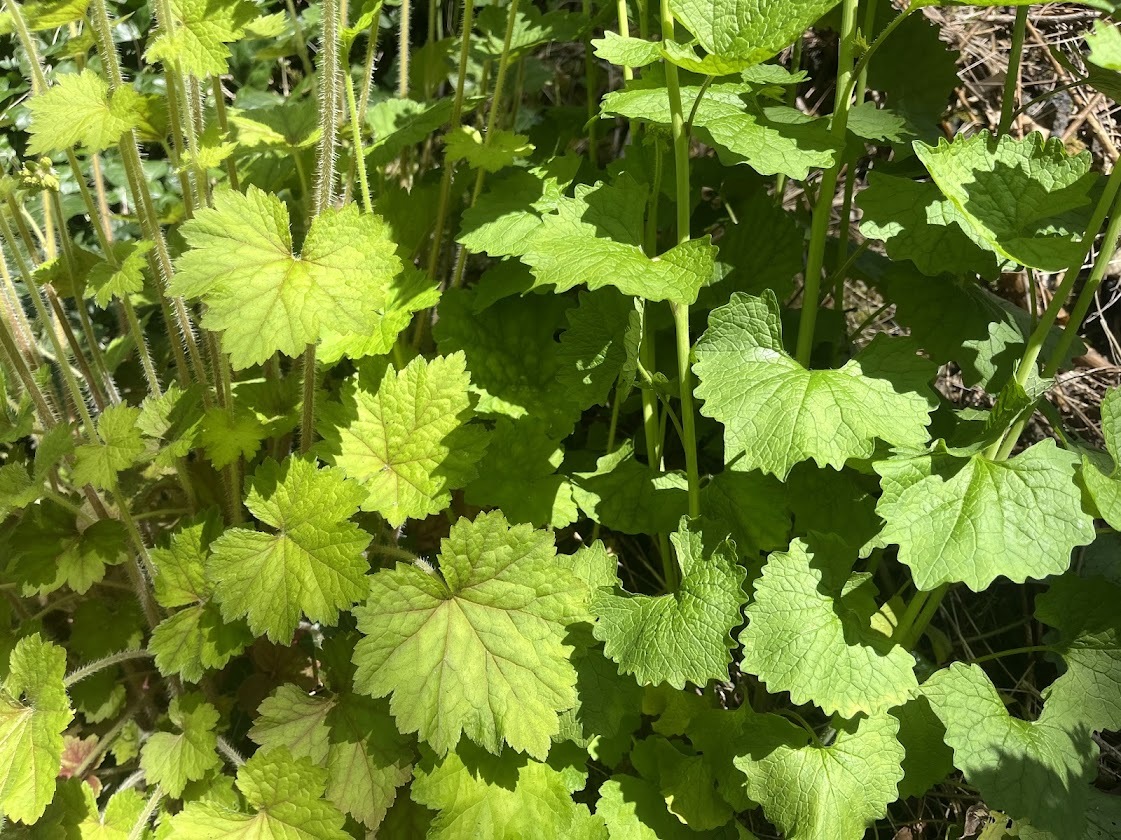 Native fringe cups (left) and invasive garlic mustard (right) are often confused at various stages in their growth. Learn how to tell them apart at all stages.
It’s garlic mustard season! Garlic mustard is a high priority noxious weed that is required for control statewide here in Washington. It is an “early season” weed, blooming as early as March, making now the perfect time to identify and control garlic mustard in our area. But before you go controlling this weed, make sure you have the right one! Garlic mustard has lots of native and weedy look-a-likes.
Get confident in your garlic mustard identification using our first ever comprehensive guide to garlic mustard look-a-likes, developed in response to a startling discovery on Vashon Island. This blog post covers 9 look alike species with detailed photos, feature comparisons, and a free downloadable field guide.
|
|
Early Detection, Rapid Response in Yakima |
|
|
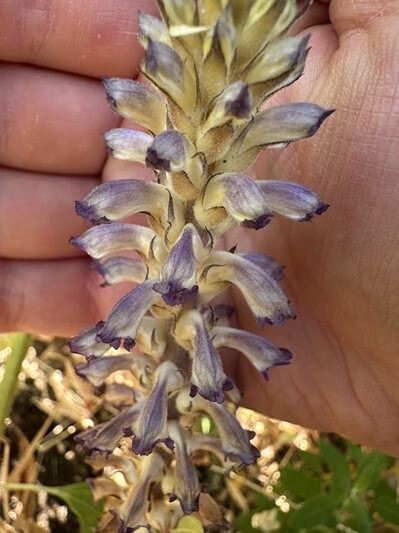
The parasitic plant Orobanche cumana produces a leafless flower stalk.
|
|
Early detection of new invasive plants is a key part of noxious weed programs. Last fall, colleagues at WSDA and the Yakima Noxious Weed Control program were hard at work addressing a new species to Washington, Orobanche cumana, known as the sunflower broomrape. The Orobanche genus has about 170 species of parasitic herbaceous plants, but O. cumana is particularly adept at parasitizing on sunflowers. An infestation of O. cumana can reduce sunflower yields by 100%.
When a homeowner found this species in their Yakima Co. yard they posted their find to iNaturalist to learn more. Without this post, officials might never have learned about the presence of this weed. A rapid response was warranted and soon to follow. USDA and WSDA helped confirm the identification, the county coordinated treatment and education in the surrounding area, and the State Weed Board ran an expedited process to list the species as a Class A weed. Hats off to our colleagues working hard to contain this infest and educate the rest of the state about the species!
|
|
|
To learn more about who we are, what we do, and what weeds to look out for, visit:
|
|
Please feel free to distribute this information freely. Contact our program team with any questions: noxious.weeds@kingcounty.gov

Plant ID mobile app
|
|
|
|
Written and edited by Skye Pelliccia, Rahel Stampfer, and Lauren Vorona
Back to top
|
|
|
|
|