|
This newsletter is written by the King County Executive Climate Office (ECO) in coordination with departments across the county. You can learn more about us at the bottom of this newsletter. Now, to the news...
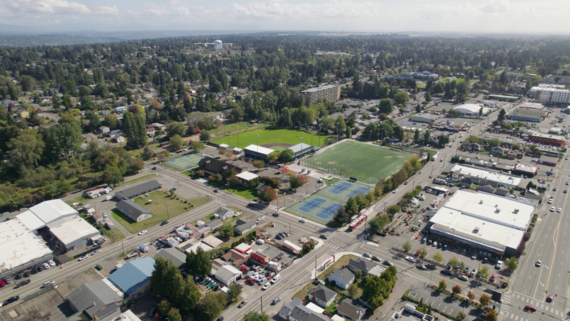
The Log Cabin at Steve Cox Memorial Park is a community cornerstone and home of King County Parks’ longtime White Center Teen Program, offering generations of teenagers a safe, encouraging place to enjoy free fitness and sports programs, art and performance opportunities, and more. Now, it’s also an example of how to improve air quality and increase climate resilience, thanks to recent heat pump installations and weatherization improvements in the space.
“This is exciting because not only will we be transitioning to more heat pumps, which is better for energy-efficiency -- and also more comfortable for everybody in the space -- but we'll also be getting better air quality,” King County Parks Recreation Coordinator Darlene Sellers said.
The center is a special space with unique challenges for energy-efficiency. Built in 1940 as a Works Progress Administration project, the gym and main office were designed without any mechanical ventilation. This meant for years, staff needed to use creative techniques to try to keep teens warm on cold days and cool on hot ones, and to increase airflow in the gym – such as running the natural gas heater while also keeping a few windows open.
New upgrades were achieved thanks to an intentional approach by King County Parks, ambitious targets in the County’s Strategic Climate Action Plan, and fast work to quickly deploy a grant the King County Executive Climate Office (ECO) received from the Department of Ecology, supported by Washington state Climate Commitment Act (CCA) funding. The grant helped cover the costs of weatherization improvements in homes, childcare facilities, adult family homes, and community centers near airports – including the Log Cabin.
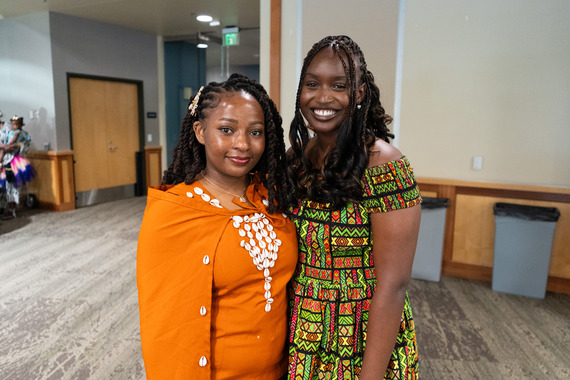
King County’s Community Climate Resilience (CCR) Grant Program funds community-based projects that support frontline communities, with a special focus on areas specified in the Strategic Climate Action Plan. That includes food systems—and a food sovereignty project was on display (and on the menu!) at an event this month. The African Young Dreamers Empowerment Program Intl. (AYDEPI) held their 3rd annual “Beauty of our African Roots” event at Family Life Center in Federal Way!
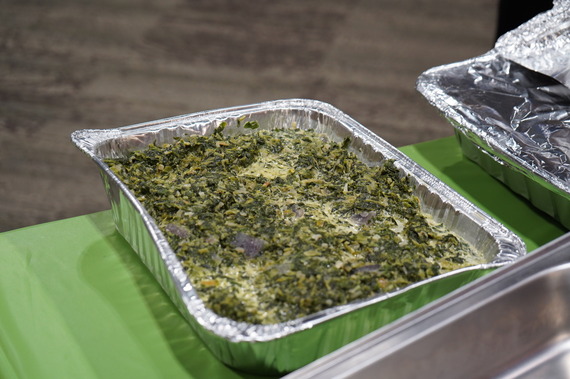
The youth-led cultural celebration featured music and dance, community voices and poetry, fashion, and African food. Part of the menu: managu, a dish grown in gardens planted by youth, funded through King County’s Community Climate Resilience (CCR) Grant program. AYDEPI’s project plans to engage youth and frontline communities to develop a circular food system that centers cultural identity, environmental sustainability, and community empowerment.
Along with a delicious meal including managu and other dishes, AYDEPI planned a full day of inspirational programming for the community, from dance performances and competitions to videos about their youth soccer program and fund-raising events. Throughout the year, AYDEPI offers opportunities for youth of color to thrive through education, socio-economic empowerment programs, mental health supports, and other resources. Learn more at aydep.org and find more photos on our Instagram page.
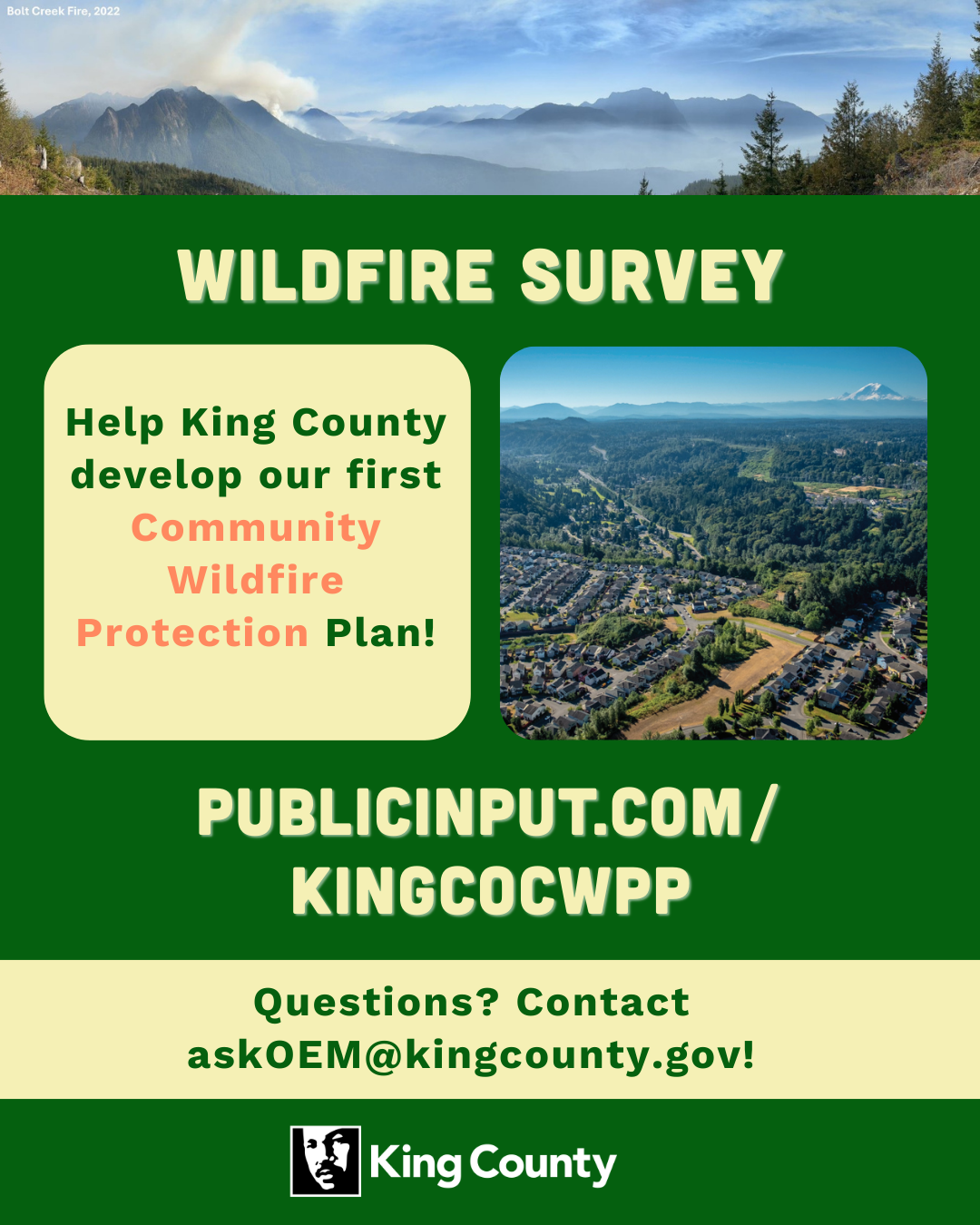
Community action is key to preventing wildfires and ensuring people are safe when they happen. King County is working with partners to develop its first countywide “Community Wildfire Protection Plan,” designed to help the whole community become more resilient to wildfire. Please take 5-10 minutes to fill out this brief survey and help support that process!
While western Washington is not as accustomed to wildfires as the eastern side of the state, King County recognizes them as a growing threat, especially with more people living in the wildfire-urban interface, where housing coexists with wildland vegetation. In 2022, King County launched its Wildfire Risk Reduction Strategy, outlining strategies government and agency partners should take to reduce risks and support resilience.
The Community Wildfire Protection Plan will serve as a comprehensive approach focused on what communities and government can do together to address specific, locally based concerns such as wildfire response, hazard mitigation, preparedness, and structure protection.
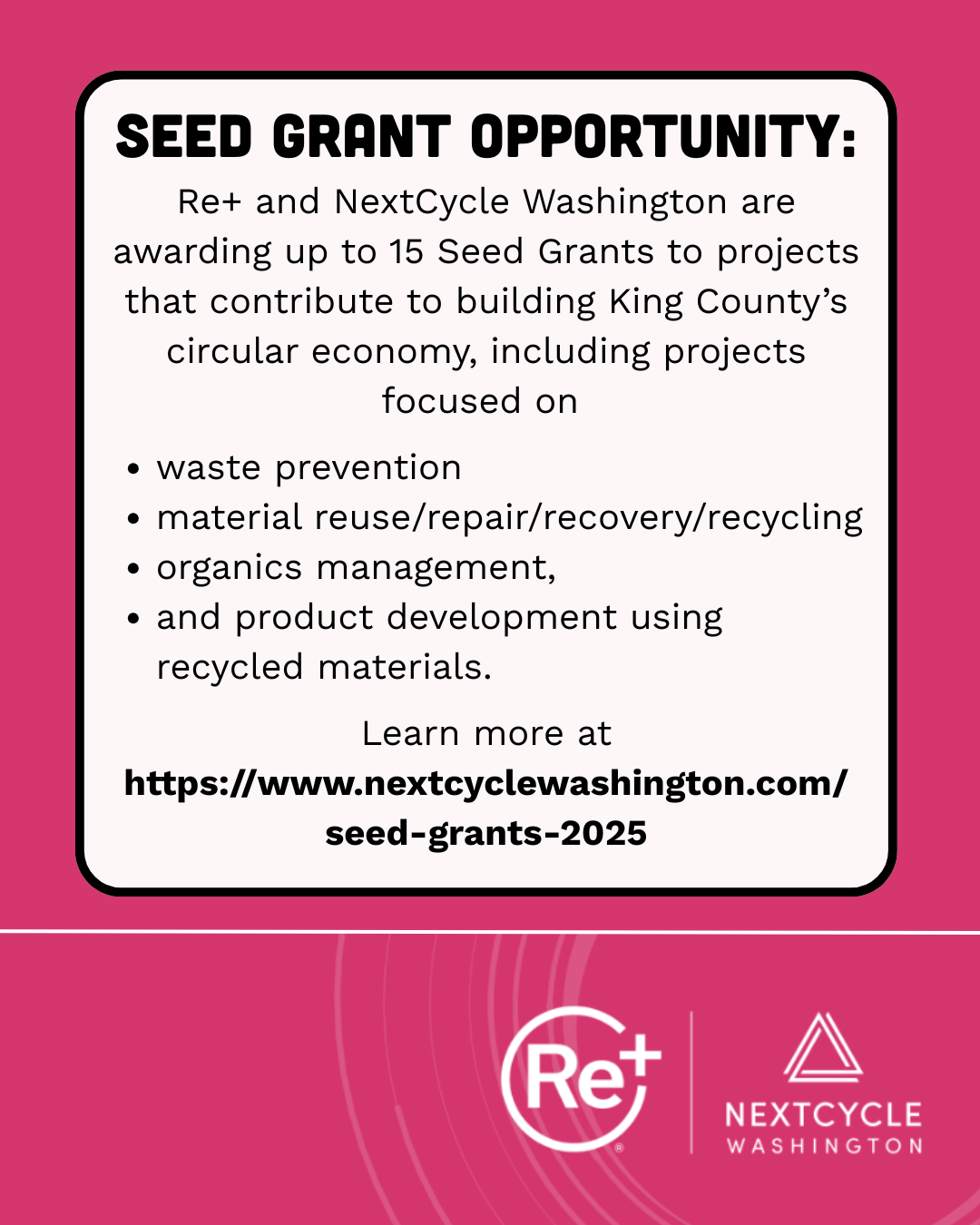
Are you working on or do you have an idea for a project to prevent waste; improve and expand rescue, reuse and repair of materials; or improve, innovate, or expand recycling, recovery and end uses of material and organic streams within King County? Check out this funding opportunity, open to small businesses, start-ups, community-based organizations, nonprofits, Tribal nations and organizations, universities, and many other eligible groups!
The King County Department of Natural Resources and Parks Solid Waste Division, in collaboration with NextCycle Washington, is excited to announce the launch of the 2025 Re+ Seed Grant Program, which leverages the NextCycle Washington framework. Projects will be eligible for up to $10,000 to conduct research or testing, validate and market your product or service, purchase equipment or supplies, and more! Up to 15 Seed Grants will be awarded to projects that strengthen King County’s circular economy. NOTE: Projects must have an impact on King County’s waste system (which excludes Seattle and Milton). Example projects:
-
Recycling HDPE containers into high-quality resins.
-
Tool library that enables community members to “check out” tools on loan to utilize for a project and return to the library when finished.
-
Dismantling (instead of demolition) of old homes, salvaging the materials for reuse/resale.
-
Converting restaurant food scraps into nutrient-rich compost for community gardens. And so much more!
If you have any questions regarding this opportunity, please don’t hesitate to reach out to our Circular Economy Program Manager, Nina Olivier, at NOlivier@KingCounty.gov!
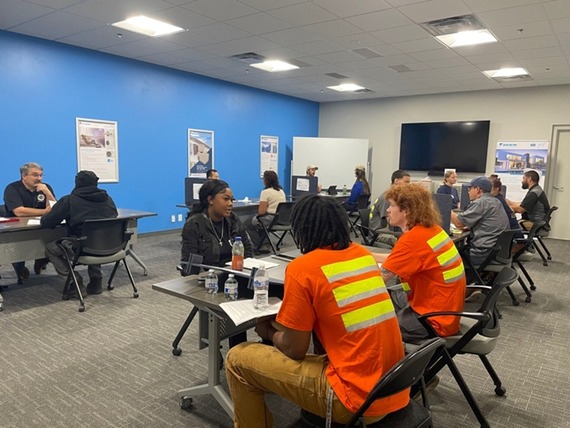
Improving access to climate-related workforce opportunities is a core component of King County’s approach to climate action – and a key example of how partnerships are essential to achieving our goals.
The King County JumpStart program, run through the King County Executive Climate Office (ECO) in collaboration with the King County Department of Community and Human Services, connects young adults with skilled training programs and paid internships with local contractors, with the program covering the cost of their wages during the program period.
JumpStart has recently onboarded several new contractors and forged new partnerships, including one with the Daikin Seattle Experience Center, which led to a recent hiring luncheon. Daikin Seattle offered to host networking and round-robin interviews for 15 King County JumpStart trainees seeking entry-level roles in HVAC, electrical, customer service, and related fields, with 9 companies who were actively hiring. We are thankful for all partners who support this work!
Are you a contractor interested in supporting workforce development by helping more young adults transition into the skilled trades? Contact Brian Doyle at bdoyle@kingcounty.gov or visit kingcounty.gov/jumpstart to learn more, and read the proposed Climate and Workforce Strategy to find out more about King County’s vision for connecting frontline communities with emerging opportunities in climate-related careers.
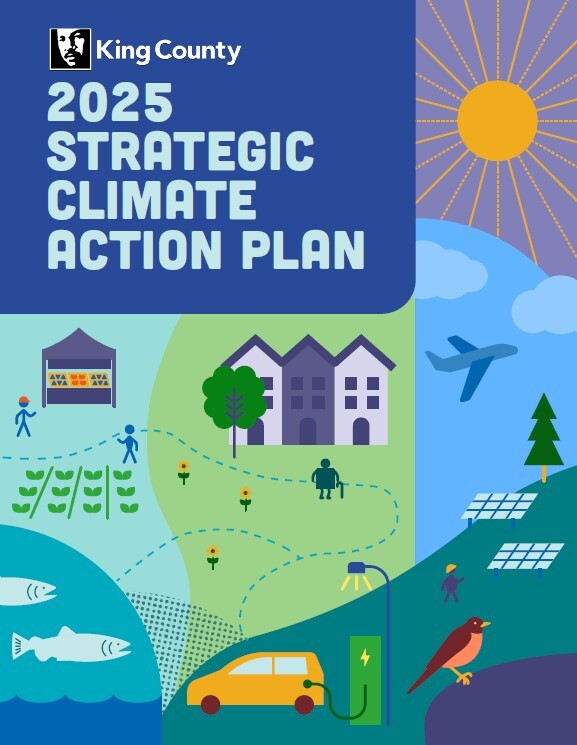
The proposed 2025 Strategic Climate Action Plan (SCAP) was submitted to the King County Council in June, and Councilmembers are currently reviewing the plan. Stay subscribed to this newsletter for updates on adoption and ways to get involved once it is approved!
You can review the proposed SCAP and learn about the new “flagships” section here.
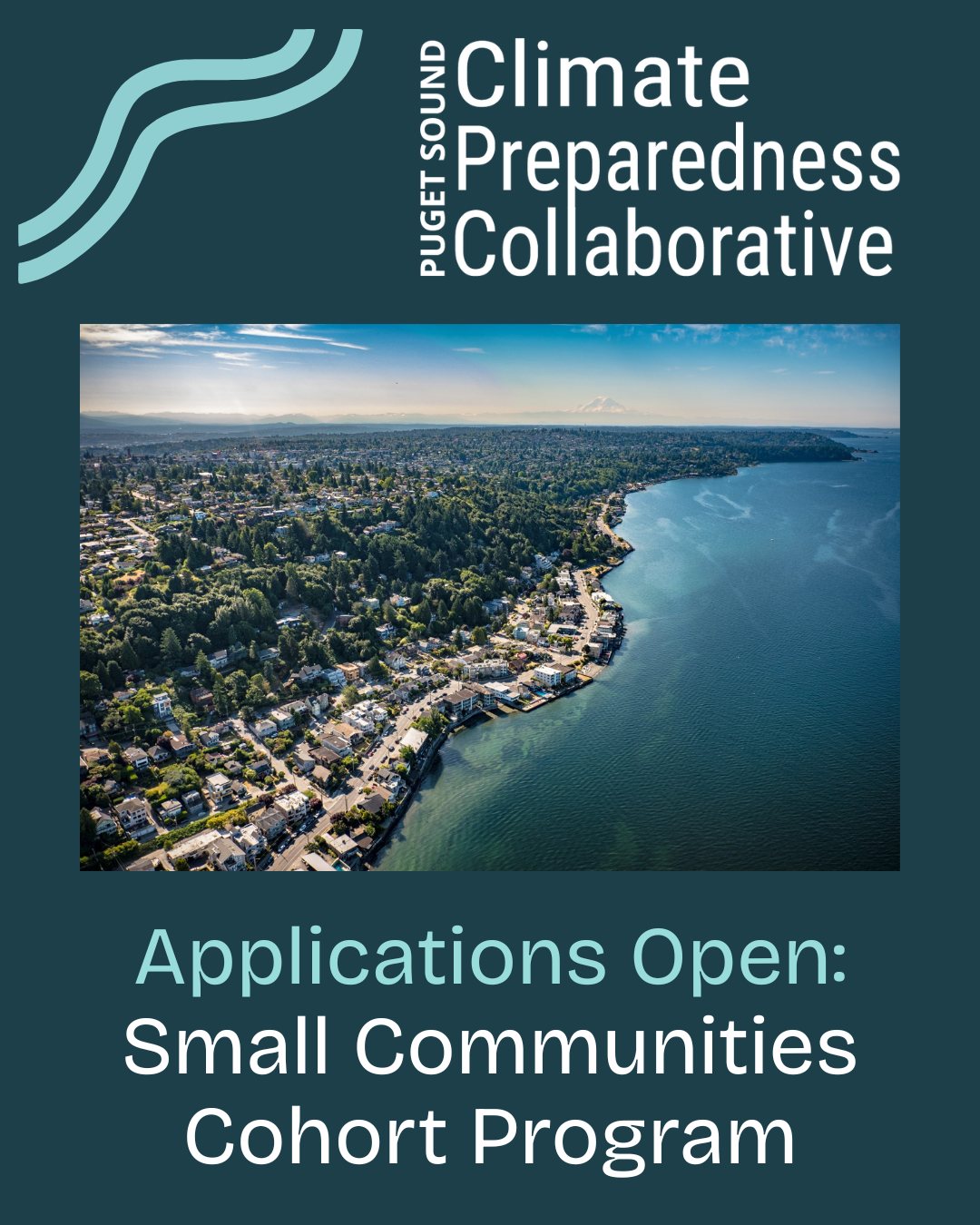
Does your Tribe/Tribal organization, town, or small county need support with a climate preparedness project? It's not too late to apply for the Puget Sound Climate Preparedness Collaborative's "Small Communities Cohort Program"!
Communities participating in the program will receive staffing and technical assistance for their climate preparedness projects. Limited consulting funds are also provided to support additional technical or capacity needs. Eligible projects are projects that reduce climate risks and/or increase community resilience to climate change impacts. This may include:
-
Conducting climate change vulnerability assessments;
-
Developing and/or implementing climate action plans, programs, or specific climate actions;
-
Pre-planning or project scoping;
-
Integrating climate change into existing local plans and practices; and/or
-
Community engagement and outreach.
Are you familiar with the King County Executive Climate Office (ECO)? Here’s a little more about who we are, and what we do:
Departments across King County implement climate action within their work. King County ECO elevates, coordinates and accelerates those efforts and manages several in-house programs. That includes work on building decarbonization, climate preparedness, climate equity and building a workforce for climate careers. Our agenda is set based on the approaches laid out in the Strategic Climate Action Plan.
ECO works with the broader King County Climate Team, which includes climate leads from different departments.

Please share this newsletter with a friend, and we’ll be back in September with more news and updates. Until then, you can find us on Instagram and LinkedIn!
|