Remembering Senator Bill Ramos, District 4 Grants, Updates About the County’s Budget and More!
King County, Washington sent this bulletin at 04/29/2025 02:18 PM PDT
Budget 103I hope that, through the budget sections of the last couple of newsletters, you’ve enjoyed learning about the county budget and the important role of the general fund. This month, the budget series transitions to look at what is happening in the broader environment. Proposed changes to state and federal funding will have a deep and potentially significant impact on the ability of the county and local providers to deliver services. While it will take months to know the actual outcome of how decisions at the state and federal levels of government will affect King County, I remain convinced that we need to continue preparing for possible funding changes. In this month’s installment, I would like to provide more insight into some of the challenges that we may soon face if reductions are made in King County’s state and federal funding. State and Federal Funding is Dedicated FundingKing County, like other local governments, receives funds from the state and federal governments that are used to provide services to residents. While King County may in some cases have discretion on how they are spent, state and federal funding should be considered as dedicated funds; this means these resources have a specific use tied to them and cannot be used for anything other than their intended purpose. When the county receives state and federal funds, they often come with conditions that King County must follow. Some dollars are earmarked for particular purposes, while others offer more flexibility, allowing the county to address local needs as long as the spending aligns with broader policy goals. Other times, the county may serve as a “pass through” stop, temporarily holding a set amount of money prior to distribution based on state or federal decisions. In other situations, the county may apply for and be awarded competitive grants. Our 2025 operating budget includes over $200 million of federal funds, and additional federal funds are provided indirectly through the state. It’s not an overstatement to say that these federal funds are a significant and vital part of the county budget. Managing Changing Requirements Under the Current Federal AdministrationAt our Committee of the Whole meeting this month, Dwight Dively, Director of the Office of Performance, Strategy, and Budget, provided an update on the status of federal funding for this and future budget years. As the current administration has sought to change and impose new requirements on federal funding, this has raised concerns about the reliability of these funds for both King County and the organizations that provide services to residents and visitors every day. Some of these requirements are legally questionable and have been challenged in courts, while others appear to be contrary to county values. This has generated discussion about the future of current services and funding in light of possible changing requirements. Director Dively shared a number of concerns, including that:
King County is working to ensure we have the most current and holistic understanding of this evolving landscape. In addition to ensuring that the county continues to meet the requirements of our existing grants and funding, staff are coordinating to monitor for any changes to reporting systems, funding conditions, and legal developments. Since federal funds are used to contract with local organizations, staff are also coordinating with service providers to share information and assess impacts. Potential Impacts Beyond Direct Federal FundingWhile directly allocated federal funds are necessary to our county budget, they represent only one of the many vitally important resources provided by the federal government. Federal agencies provide data, research, policy guidance, and support that are critical to understanding and developing strategies to address local challenges and meet local needs. The value of this coordination was demonstrated clearly in the response to the COVID-19 pandemic, during which data, resources, equipment, and expertise from the federal government were essential for preserving community health and getting necessary resources to the public health and medical community and help people who became ill and were in need of life-saving care. The U.S. House budget resolution for federal fiscal year 2026 includes significant potential reductions to existing resources. Proposed reductions in programs such as Medicaid, food assistance, and housing supports would disproportionately impact lower-income residents and put more pressure on local, state, and non-profit providers. This resolution does not have the force of law but serves as a blueprint for spending and revenue for the upcoming budget. While Director Dively points out that these resources cover a range of county functions, the loss of support for public health would be especially devastating. State Resources and Additional Revenue OptionsWashington State also provides critical resources to local jurisdictions. In the recently completed 2025 Session, the Legislature considered strategies to address an anticipated shortfall in the state budget, as well as possible reductions in federal funds. This means the state’s ability to dampen the impact of anticipated federal funding reductions is reduced due to limited availability of state-generated funds. State law governs the ability of local jurisdictions to generate revenue. As I’ve shared in prior newsletters, county governments are limited to two main revenue-raising tools – sales tax and property tax – and these constraints have directly contributed to the creation of a structural gap that has resulted in the general fund budget shortfall anticipated for the 2026-27 budget and beyond. This year, King County advocated to the Legislature for more tools that can alleviate this shortfall, including additional revenue streams and eliminating the 1% property tax cap. While a number of bills were introduced this year, only one significant new source of revenue for cities and counties was adopted this year. House Bill 2015 was successfully passed by the Legislature and is on its way to the Governor’s desk for possible signature. This bill has the potential to provide necessary short-term stability to the county’s general fund budget through the creation of a local option for a 0.1% sales tax for criminal legal purposes. The bill also establishes a local law enforcement grant program and authorizes the distribution of state funds from that program to qualified cities and counties. Throughout this Legislative Session, our King County legislators have been open to working with me and my colleagues on ways to address the challenges we face. I appreciate their willingness to talk with me about new ideas and strategies. Over the past three months, I’ve joined my colleagues to advocate with Governor Ferguson about our local priorities and partnered with local organizations and leaders on new revenue options, signed letters, and provided public testimony on bills. Legislative Session concluded on April 27, and you’ll read more about how the county’s priorities fared in next month’s newsletter. A Closer Look at Funding to Address HomelessnessHomelessness services are one area where we can clearly see the impacts of complex and unstable funding streams. While these challenges are long-standing, there are new risks to funding for these services in the current climate at both the federal and state level. A significant portion of our region’s homelessness funding, both at the King County Regional Homelessness Authority (KCRHA) and the King County Department of Community and Human Services (DCHS), is received through the “Continuum of Care” (CoC) grant program from the federal Department of Housing & Urban Development (HUD). Leadership at the KCRHA and DCHS are currently reviewing newly added CoC contract requirements to determine whether they comply with federal law, and we could continue to use this funding consistent with our county’s values. CoC funding – which totals $68 million across King County supports more than 4,000 individuals who utilize shelter, transitional, and permanent supportive housing services. State funding is an essential source of support for homelessness services. This includes the Document Recording Fee, which is assessed on property sales and provides significant funding to state, county, and local governments statewide to fund homelessness and housing services. Given a decrease in property sales in recent years, this fee has generated fewer resources than anticipated. The state has been able to use general fund resources to prevent program closures over the past several years. While we are still analyzing the impacts of the 2025 biennial state budget, the legislature was able to provide $117 million in funding for services statewide. While we are deeply grateful for this investment, it is unclear at this time whether this funding will be sufficient to prevent program closures in King County. The unfortunate reality is that there is some funding for homelessness services that we are unlikely to be able to maintain. During the COVID pandemic, the federal government passed several stimulus measures to sustain community services. This funding allowed our local and state government to expand services for our neighbors experiencing homelessness. Given general fund shortages at all levels of government, we have limited means of backfilling funding without significant new revenue stream options. I am working closely with both county and KCRHA leadership to monitor this situation and work towards a resolution that both aligns with our values and protects these critical services. I look forward to future opportunities to expand our services to meet the full scale of the need in our region. I strongly believe that we need to increase – and not just maintain - our capacity to serve our unsheltered neighbors throughout King County and I look forward to working with my colleagues to protect and expand these vital resources. What to Expect Next MonthIn addition to any further updates on state and federal funding developments, I invite you to let me know what questions you still have about the county budget. In next month’s newsletter, I’ll provide answers to a few of those in a Q&A to close out our Budget 101 series. Sources Used for Further Reading
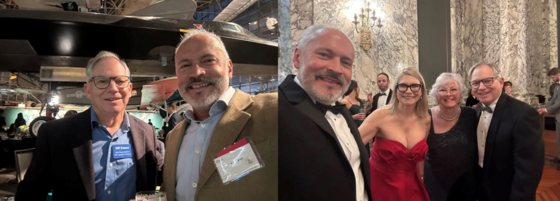
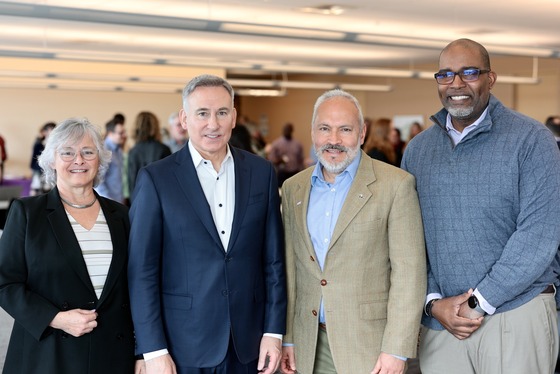
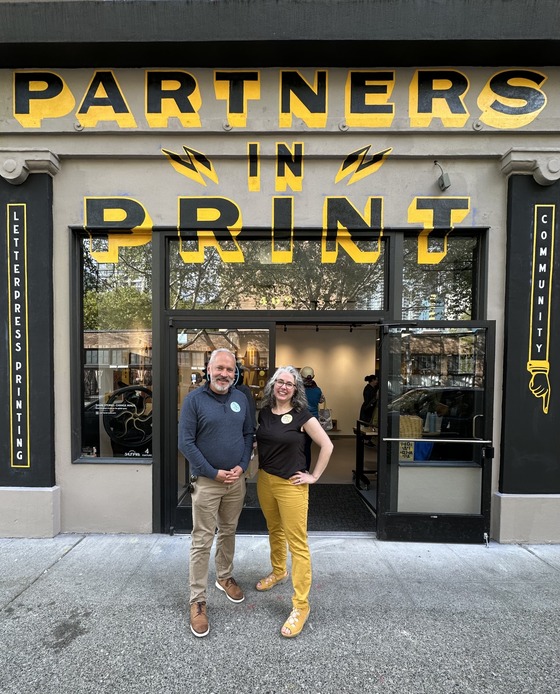
Pictured with Executive Director Jenny Wilkson.
|

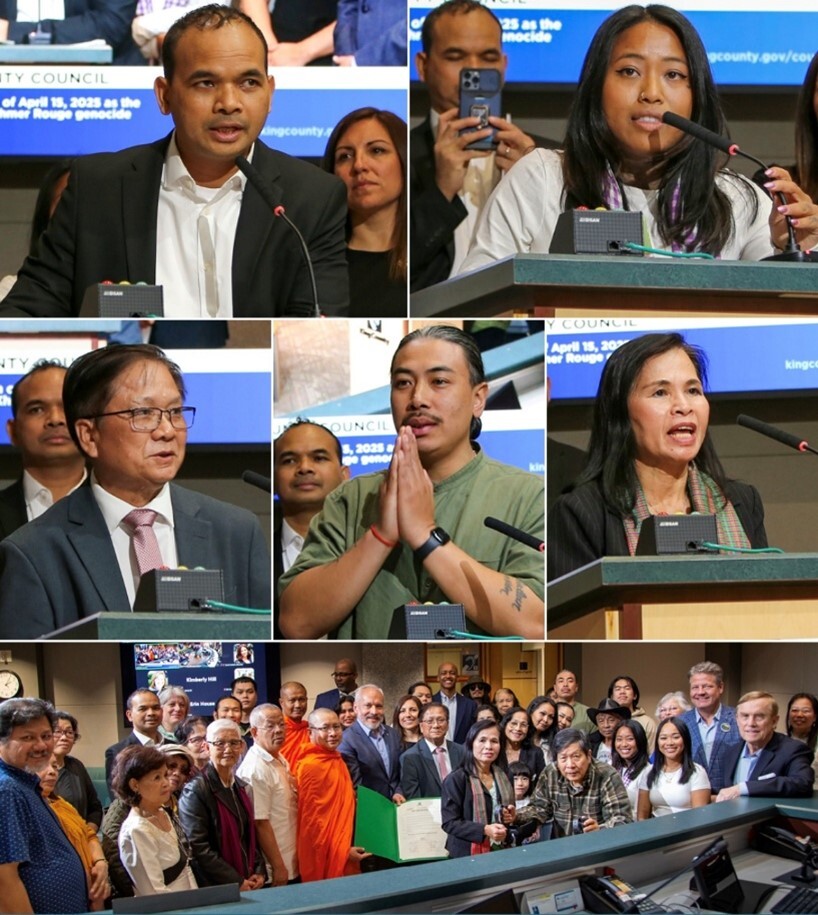
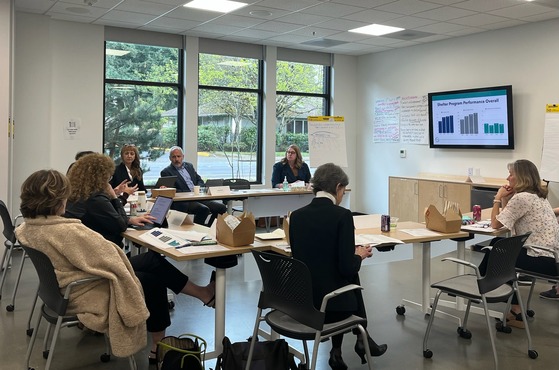
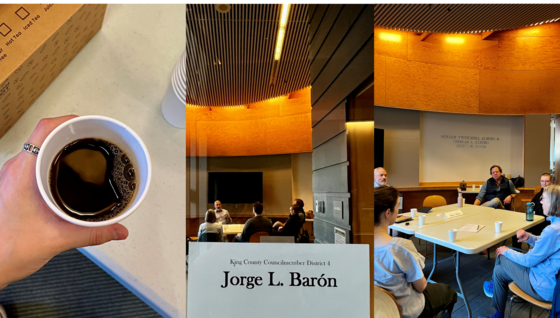

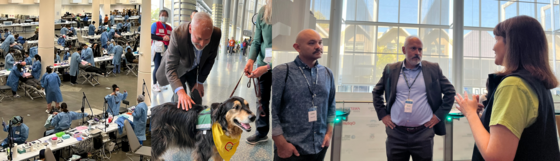
Get Involved
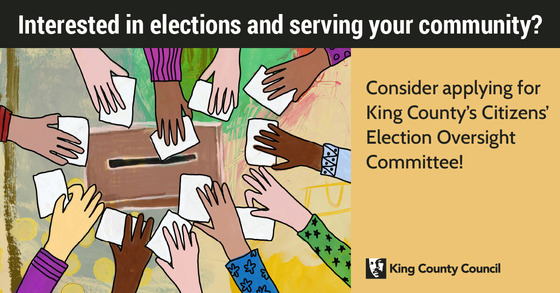
Interested in Elections?
The King County Council is recruiting members for the King County Citizens’ Elections Oversight Committee (CEOC). The CEOC is charged with conducting oversight of election-related matters, and reporting to the King County Council their observations, findings, and recommendations. The CEOC meets roughly seven times per year.
Submit your application by Friday, May 2nd, 2025.
|

Donate Blood and Save a Life
Did you know it takes 1,000 blood donors every single day to save lives in the Pacific Northwest? A blood drive will be hosted on Wednesday, May 19 at Eastgate Public Health Center. Saving lives is easier than you think. In just about an hour, you can give someone the gift of more time, more memories, and more tomorrows. Please note that there are plenty of other opportunities to donate blood in our area. Learn more and register at the link below.
|

Help Make a Difference in King County
King County is launching the Human and Civil Rights Commission, a dedicated group working to advance equity and protect residents from discrimination. This is an opportunity to contribute to meaningful change. If you or others in your network are interested in learning more, you are encouraged to attend an info session on Thursday, May 8th at 12 PM. The Commission must include a member from every council district, so please consider applying to represent District 4.
Applications must be submitted by Tuesday, June 3rd, and stipends are available for commission members.
|
Grants and Resources
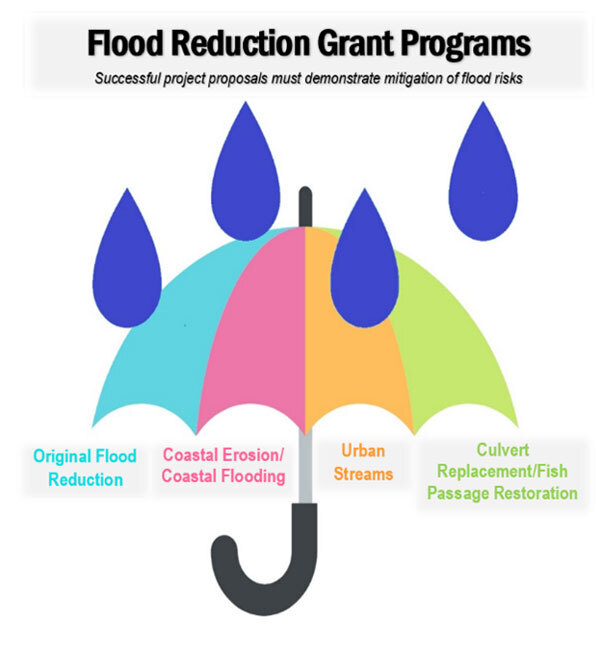
2025 Steve Bleifuhs Memorial Flood Reduction Grants
The King County Flood Control District recently announced the availability of at least $13 million in grant funding for projects that reduce the impact of flooding. These grants are for small and medium local flood reduction projects that address existing or potential flooding. Eligible applicants include homeowner associations, schools, non-profits, tribes, cities and towns, and King County agencies.
Applications are due Friday, May 23.
|
Youth and Amateur Sports Grants Now Open!
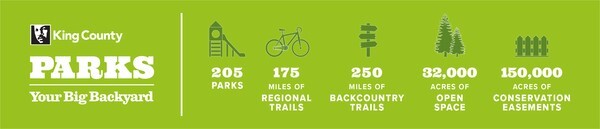
The King County Parks Youth and Amateur Sports Grants (YASG) program is open and accepting applications from April 7 to May 5 at 9 a.m. With over $3 million in available funding and offering awards up to $100,000 for programs proposals and up to $250,000 for construction proposals. You can submit your application by creating an account on the Parks Grants Portal.
New Best Starts for Kids Funding Available
Prenatal to Five (P-5) Innovation Fund Request for Proposals (RFP) is now open! P-5 Innovation Funds aim to build up the power of community-led innovation to meet the emergent needs of families in King County. King County seeks community leaders to design, develop, test, and build the potential of innovative anti-racist approaches (e.g. policies, programs, products, media, places, and services) so that ALL babies and children in King County grow up to be happy, healthy, safe, and thriving.
Proposals for this funding opportunity are accepted on an open and continuous basis.
The first round of applications should be submitted by Wednesday, May 9, 2025 at 2 PM.
|
One-on-One Help with Mobile Food Business Permits
The Seattle-King County Public Health department will be holding sessions to help people get permits for mobile food businesses, such as food trucks, trailers, carts, and pop-ups (tables and booths). Join them on Wednesday, May 21 from 10 am to 2 pm at El Centro de la Raza (Rooms 310 and 311) to get step-by-step and one-on-one support to start your food business.
|
|
|