|
|
|
Health and well-being in King County--news, data, and resources
|
|
|
|
|
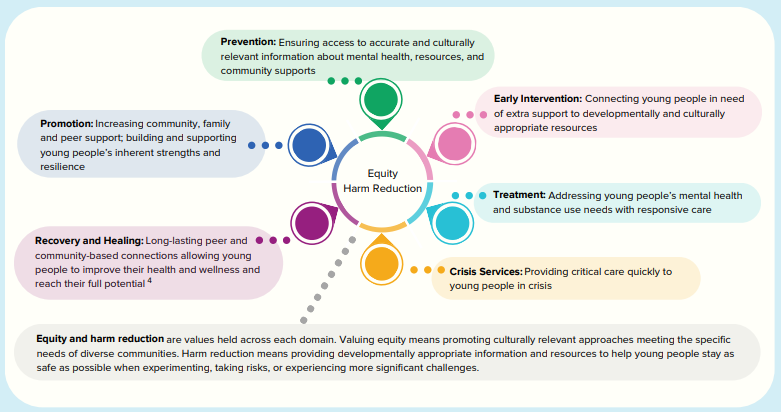
Communities Count recently published a new blog, "From Data to Action: Addressing Youth Mental Health and Substance Use in King County," that expands on the main findings and takeaways from the "Youth Mental Health and Substance Use in King County: Needs Across a Continuum," data brief.
This brief compiles local data and amplifies youth voices to highlight the need for comprehensive, culturally responsive, and developmentally appropriate mental health supports. Developed in collaboration with King County departments and Seattle Children’s, it emphasizes the importance of equitable access to resources that support youth mental health and well-being.
READ MORE>>
|
|
New Black Community Health Infographic |
|
 |
Communities Count partnered with the Black Community Equity Team to create a visually accessible and engaging data infographic that highlights health inequities with action-based solutions to promote a healthier Black community in King County.
In addition to the infographic, Communities Count also published an accompanying blog post, "Empowering Through Data: A Closer Look at Black Community Health," that provides more insight and context behind the infographic's goals, key findings and collaborative design process.
READ MORE>>
Communities Count 2024 Annual Report
Communities Count recently released its 2024 Annual Report. Highlights of 2024 work and achievements include:
- Conducted 21 roadshows with local community-based organizations and government agencies to highlight a variety of publicly available data.
-
Led a Data Scavenger Hunt at the 2024 Public Health Camp for youth interested in public health.
- Updated data and accompanying narratives for 30 indicators providing more recent data related to food insecurity, housing, maternal child health and more.
READ MORE>>>
|
Updated Communities Count Indicators
|
Communities Count recently updated data and narratives for the following data indicators:
-
Food Insecurity: In 2018-2022, transgender residents were over 2 times more likely to experience food insecurity than the King County average.
-
Disability: Disability prevalence decreases as household income increases, with lower-income groups experiencing higher rates of disability.
-
Firearms Stored in Home: Adults in South King County were more likely to have guns stored in their home, compared to the King County average and among all other regions.
-
Frequent Mental Distress: Lesbian, gay, and bisexual (LGB) residents were over twice as likely as King County adults overall to experience frequent mental distress.
-
Life Expectancy: Life expectancy was the highest among Asian residents across all racial/ethnic groups in King County while American Indian/Alaska Native residents had the lowest life expectancy of all racial/ethnic groups across King County.
-
Infant Mortality: The King County infant mortality rate was lower than the 2022 Washington state infant mortality rate of 4.3 infant deaths per 1,000 live births.
-
Suicide Deaths: In 2022, the most recent year, the death rate for suicide among King County residents was 12 per 100,000, totaling to 298 deaths.
-
Adolescents with Adult Support: In 2023, 8, 10, and 12th grade students who identified as LGB were less likely than heterosexual students and the King County average to have adult support.
-
Feeling Safe at School: Students of color were less likely than the King County average to feel safe at school.
-
Teen Depression: Most recently in 2023, rates of teen depression declined steeply by roughly 30% from the year 2021.
-
Teen Vaping: In 2023, about 1 out of every 14 King County teens in grades 8, 10, and 12 had used an e-cigarette at least once in the past month.
-
Teen Marijuana Use: Teen marijuana use in 2023 was the lowest ever recorded in King County but, ongoing monitoring is needed due to pandemic-related changes.
-
Unsafe Relationships Among Teens: The percent of students who had experienced unsafe relationships increased with grade level.
|
|
|
|