December 2024
 On December 19, the Haz Waste Program’s website will be integrated into kingcounty.gov. Expect streamlined content and easier navigation to find the information you need.
 With this guide to safer holiday gift and toy shopping, learn what you need to look out for when you’re circling the toy aisles for the perfect, non-toxic gift.
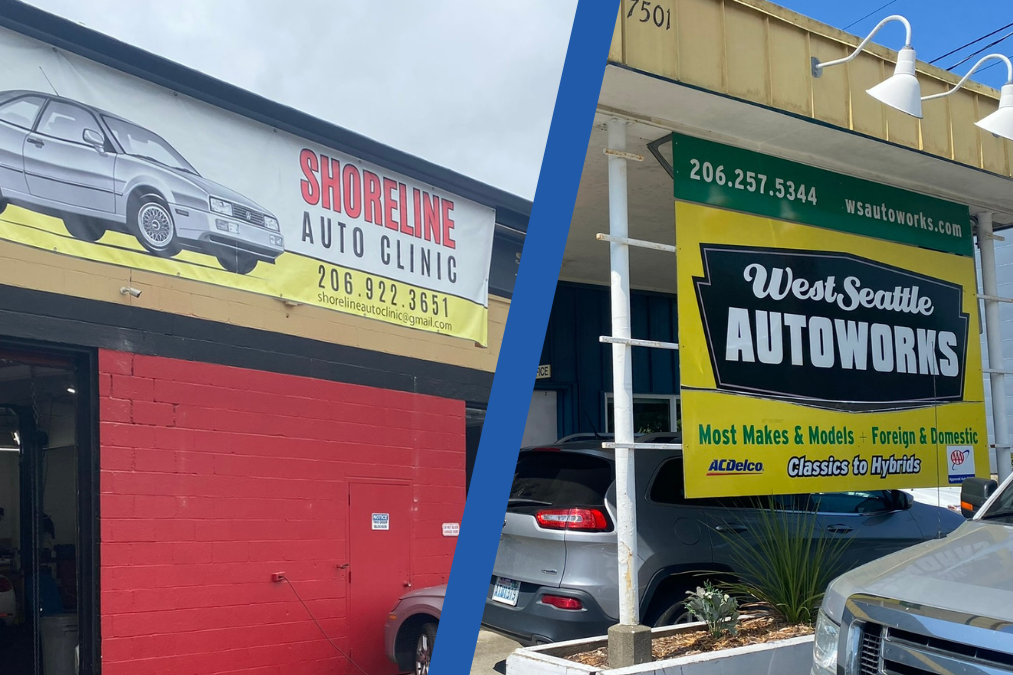 The Haz Waste Program provides expert advice and financial support so small businesses can make the switch to safer degreasers, all while keeping costs down and operations efficient.
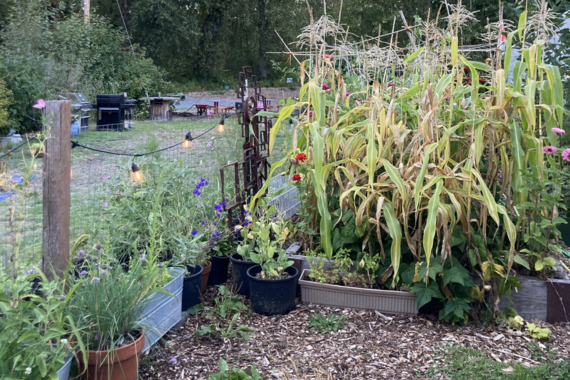 Nestled above the Duwamish Greenbelt, the Heron’s Nest is a nonprofit dedicated to community engagement, environmental education, and preserving the cultural heritage of the Duwamish Tribe.
 From mushrooms to microgreens, the Garden Hotline hosts natural gardening workshops that combine educational insights with hands-on training.
 The Haz Waste Program accepts many hazardous items at disposal sites across King County. But some hazardous items and other household waste can be disposed of in different ways.
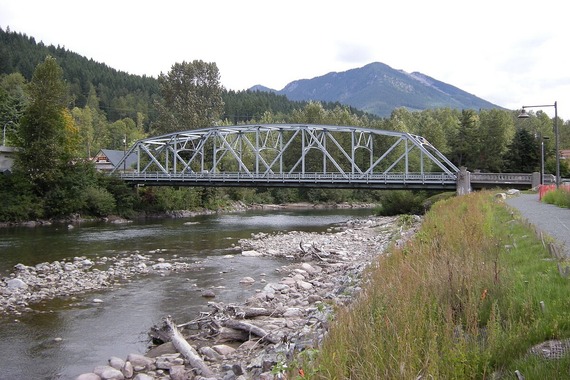 When it comes to hazardous waste management, rural and unincorporated areas face unique challenges. Fortunately, there are ways for rural community members and businesses to protect themselves from toxic exposures.
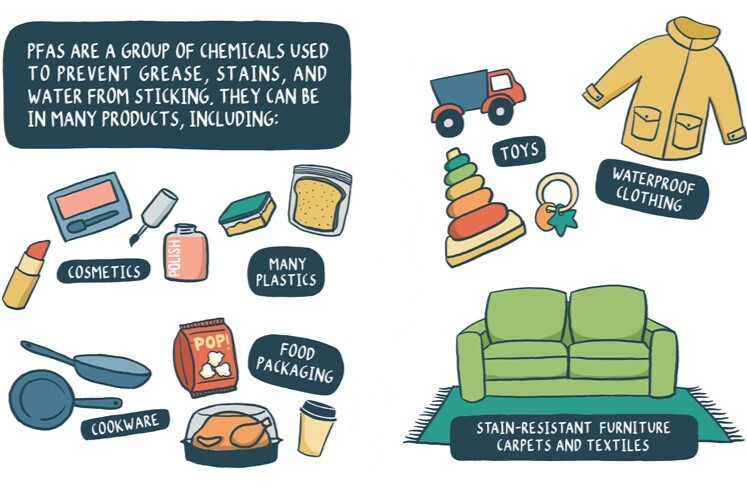 King County has launched a new website with information about PFAS, which are sometimes called "forever chemicals." Find out what the County is doing to address PFAS contamination, and learn how you can reduce your exposure to PFAS.
 For the eighth year in a row, the Haz Waste Program is honored to be recognized for our work promoting safer cleaning practices and products in King County.
 We're here to help answer any questions you might have and always look forward to hearing from you!
You can reach us anytime by email at haz.waste@kingcounty.gov or give us a call at 206-296-4692 on Monday-Saturday from 9 a.m. to 5 p.m. You can even contact us on Facebook. So, follow us!
|
