|
October 25, 2024
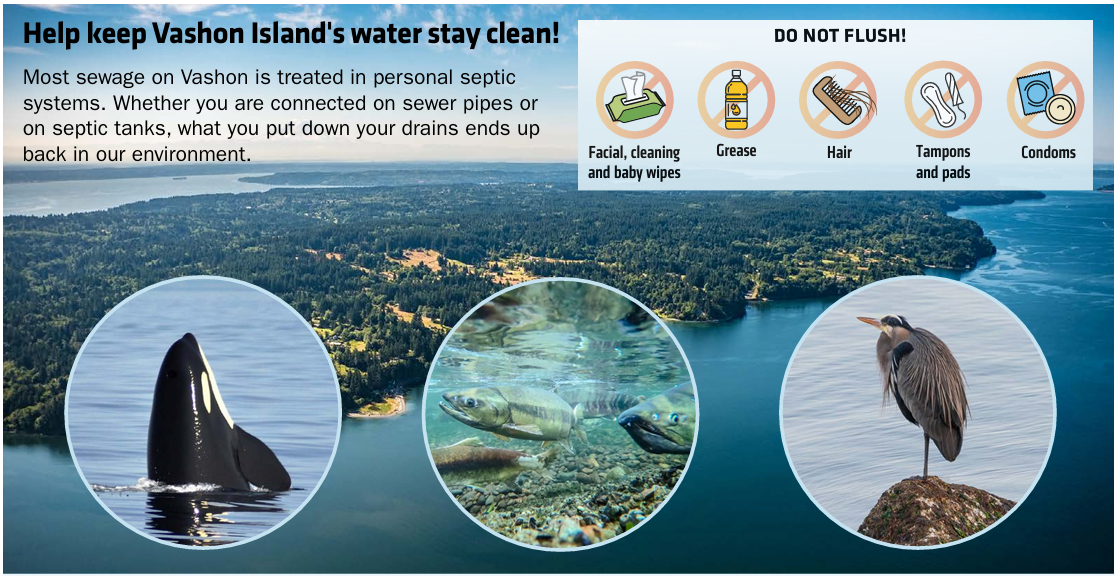
King County's Wastewater Treatment Division helps keep Vashon Island's environment and public health safe by treating wastewater (sewage) from homes and businesses. Most homes on Vashon use septic systems instead of being connected to the treatment plant system. Regardless of how your sewage gets treated, everyone plays a part in keeping Vashon Island’s water clean.
You can expect to receive updates and information on important news, events where you can find us, and projects that improve the treatment plant system.
Our goal is to make these emails a useful tool for you, providing relevant and up-to-date information that enhances the well-being of our island community and the health of Puget Sound.
To find more information and facts about the Vashon Treatment Plant, visit our website.
Thank you to all who joined us at this year's Strawberry Festival!
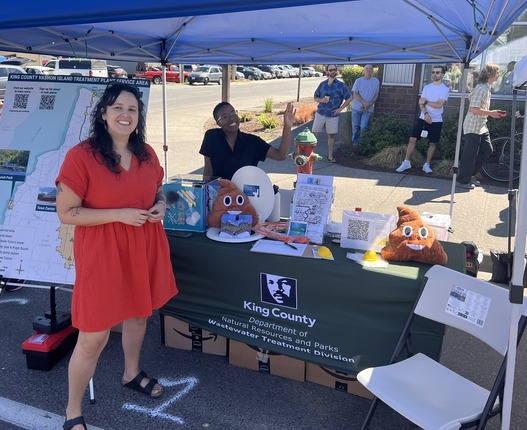
King County WTD team members standing by a booth with a toilet seat and poop emoji pillows.
We talked to so many of you and got to share information about the Vashon Treatment Plant process, what areas we serve and why, and what not to flush.
Thanks for stopping by and hopefully you’ve enjoyed the giveaways like the drain snake, shower drain covers, and native flower seed packets.
How do you get water, and where does it go after you use it?
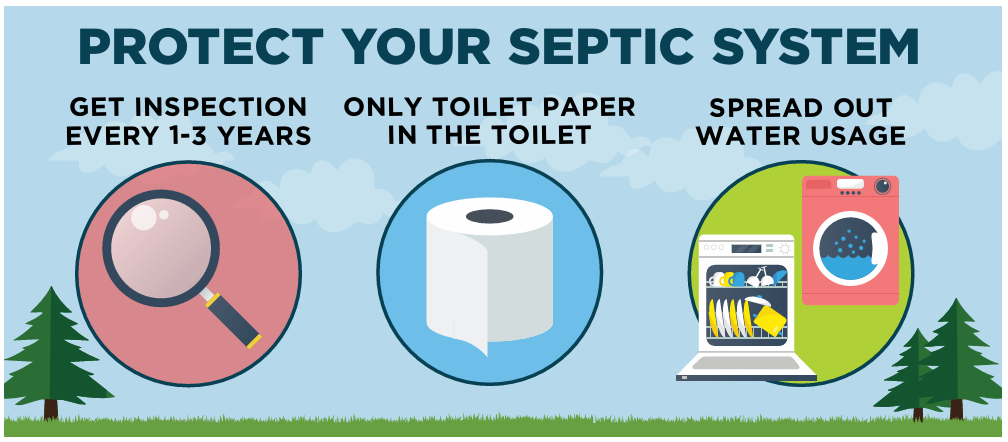
Check out our 2024 newsletter to find out. Learn how you can help keep our water clean by properly maintaining your wastewater system, whether you use sewer pipes or a septic tank.
Not sure if you’re connected to sewer pipes or on septic tank? You can check by visiting this tool and typing in your address.
Wet weather season is upon us...
and more rain is in the forecast. Even though WTD remains on the job 24/7 to ensure the region’s wastewater treatment service is well-prepared for an emergency or inclement weather, do you part on rainy days.
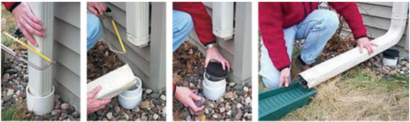
During periods of heavy rain, downspouts on your home can send gallons of stormwater to the septic system, which risks sewer water backing up into your home and overflowing into the Puget Sound. Disconnecting downspouts will greatly reduce the amount of stormwater that overwhelms the system.
Disconnecting a downspout consists of cutting the downspout, capping the drainage line, and redirecting the flow.
Visit our website to learn about how you can protect our waterways by managing rain on your property this wet weather season!
 |
|
WTD employees, like Shane Hamilton, an industrial mechanic, have developed successful career paths with King County. Read his story here.
|
|