|
Can’t access the links? Add “lnks.gd” to the allowlist of your content blocking software. |
|
|
A season of gathering and preparation
As we begin our summer season, many Tribal Nations across Washington enter a time of gathering, harvesting, preserving and preparing. For countless generations, Native people have followed the rhythms of the natural world-collecting foods and medicines, tended relationships and ensuring communities are prepared for the seasons to come.
At the HCA Office of Tribal Affairs, we often find ourselves reflecting on how these seasonal teachings continue to guide our work today.
Summer is one of our busiest times of year. While our work may look different from gathering salmon and berries, roots or medicines, the purpose remains very much the same: strengthening relationships, preparing for the future and ensuring Tribal voices continue to shape the policies and programs that affect Native communities.
As we gather this season, we are also reflecting inward. HCA is developing a new Strategic Plan that will guide agency priorities in the years ahead. The plan is centered around three key goals:
- Responding to the needs of Washingtonians
- Closing gaps in health disparities and advancing health equity
- Strengthening agency operations
With this Strategic plan also comes an agency Restructure in response. While our commitment to Tribal consultation remains unchanged, Tribal feedback is essential to ensuring these goals reflect the needs and priorities of Tribal communities. We encourage Tribal leaders and health directors to share their perspectives and help shape the direction of HCA’s future work.
We are grateful for the guidance, collaboration, and leadership of Tribal Nations across Washington. As we enter this season of abundance, we look forward to continuing this work together.
|
 |
|
|
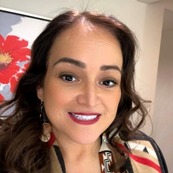
Christine L. Winn
Quinault Citizen, Hupa, Yurok, and Saanich Descendant
Tribal Affairs Deputy Administrator
Health Care Authority
|
|
|
|

Ryan Hill - Tribal Program Specialist Supporting Rural Health Transformation
OTA is pleased to welcome Ryan Hill as our new Tribal Program Specialist. Ryan will be working in the Rural Health Transformation (RHT) Program where he will play a key role in supporting Tribal-led projects across Washington state.
Ryan’s commitment to Tribal health began during his time at Western Washington University, where he discovered a passion for indigenous culture and the field of anthropology. He carried those interests into his graduate studies in public health at George Washington University, focusing on Tribal public health.
Ryan brings more than two decades of experience as an officer in the US Public Health Service, serving both with the Indian Health Service (IHS) and the Centers for Disease Control and Prevention (CDC). He spent much of his IHS career working for Tribal Health Organizations in Alaska where he met his wife and where their two sons were born. Today Ryan and his family call Spokane home, although he grew up in Redmond, Washington.
In this new role, Ryan will work closely with Tribes and Tribal partners throughout Washington to implement projects that improve the health and well-being of native families and communities. One of his immediate priorities is finalizing the Service Level Agreements that will make RHT funding available to Tribes, and then supporting innovative, community driven solutions that address local Tribal health needs. “I am looking forward to working closely with Tribes as we kick off this first year of Tribal initiatives in rural health transformation.”
Ryan values collaboration and believes the strongest outcomes originate from bringing people together around shared goals. “My preferred workstyle is team-based collaboration” he said. “I work best on teams with diverse experiences and perspectives. Where everyone is heard and can contribute to a common goal.”
For those looking to connect with Ryan, email is the best way to reach him.
When he’s not working, Ryan enjoys spending time outdoors and with family. His favorite activities include hiking with his two German Shepherds, grilling, and cheering on his favorite sports teams including the Spokane Indians, Seattle Seahawks, and Seattle Kraken. And if there is a snack nearby, chances are its chips and salsa.
Please join us in welcoming Ryan to the OTA team. We are excited for the experience, dedication, and collaborative spirit he brings to advancing Rural Health Transformation and strengthening relationships with Tribes for a healthier Washington.
|
|
|
Wellness with Kia
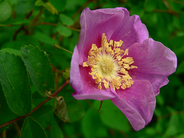
Wild Rose is plentiful this time of year. Their five petals and many stamens signify the changing of seasons and their scent brings on the fragrance of summer. Where rose removes unwanted energy and helps to bring strength and protection to the spiritual body, it also does this physically. Dried petals are great for teas, baths, and infusions.
Rose Infused Honey
Gather aromatic petals and let wilt until they are half dry – usually about a day.
- Place petals in a glass jar with a tight-fitting lid.
- Warm honey gently on the stove top so that it is very fluid but well below boiling.
- Pour enough honey into the jar so that it completely covers the flowers. Cap tightly and place in a warm spot in the garden or on a vent.
- Stir and wipe moisture off the underside of the lid every few days. This will help remove excess water from your honey.
- Strain with muslin cloth after 2-3 weeks.
The pressed petals can be made into tea or place in a bath for a luxurious “rose honey bath.” Store honey in a glass jar in a cool dark place. Some people like to keep it in the refrigerator, but this is not necessary if your honey does not have too much water in it.
Read the full article about Wild rose from our herbalist friend, Elise Krohn, Native Plant & Foods Institute Co-Director.
|
|
|
Tribal programs
Listening Sessions with Health Care Providers
Our contractor, DH is working with Tribes and Native workgroups to expand For Our Lives with new materials specifically for health care providers to address stigma around MOUD. They have been scheduling listening sessions to hear directly from prescribing Native health care providers and providers who support Native patients to inform these new resources.
Please contact DH's Tribal and Community Partnerships Manager, Tyra Blackwater at TyraB@weareDH.com to learn more.
|
Billing and policy
-
The Apple Health Tribal Health Billing Guide is getting a minor update in July (Adding inpatient Mental Health) If you have any recurring issues regarding the billing guide, send them to Mike Longnecker or Stacy Swan so they may be addressed in this new version.
-
ProviderOne billing and resource guide
-
A Dual Special Needs Plan (DSNP)guidance document has been developed to support our Tribal partners in billing DSNP for services provided to Washington State Dually eligible clients. This guidance is not meant to change how Commercial Medicare plans, Original Medicare, or Medicaid processes or pays for claims. This guidance only supports Tribes in working with Washington State Contracted Dual Special Needs plans.
Need to talk billing specifics or troubleshoot? Contact us!
Reach out to Program Specialist Stacy Swan or Mike Longnecker! We're happy to schedule a one-on-one session with you and help troubleshoot and streamline your billing needs.
Training and funding
American Indian Health Commission (AIHC) 2026 Biennial Tribal and State Leaders Health Summit
When: Monday, September 14, 2026 through
Friday, September 18, 2026
Hosted by Squaxin Island Tribe
Little Creek Resort
Bringing together Tribal Leaders, State Legislators, Tribal and Urban Indian Health Organization staff members, state agency leadership and representatives, federal representatives, and the Portland Area Indian Health Services to discuss Tribal legislative and programmatic health priorities.
High level agenda
- Monday - Tribal and State Health Leaders Summit
- Tuesday - 4th Annual Washington Tribal Opioid Fentanyl Taskforce Summit
- Wednesday - Tribal Behavioral Health Focused
- Thursday - Tribal Public Health Focused
- Friday - Tribal Food Sovereignty Gathering and Closing
- Plus other cultural and networking activities throughout the week!
The work of the summit will be to produce actionable and accountable plans for work to be done by the state, Tribes, AIHC, and other partners throughout the next two years to improve the health of American Indians and Alaska Natives in our state.
|
Cowlitz Indian Tribe is hosting an area wide
Tribal Behavioral Health Conference
October 6-7, 2026
Registration is now open
Attendees will have access to a discounted hotel room block rate of $155 per night for October 5–8. Rooms are limited, so early booking will be encouraged.
|
40th Anniversary COD & Treatment Conference
Join us October 4-6, 2026 for three days of shared learning, emerging research, and meaningful connection around Co-Occurring Disorders (COD).
Stay tuned for speaker announcements and session details.
|
|
Looking for individuals with 'lived experience'
|
HCA and AIHC invite individuals with lived experience to serve on the Washington State Tribal Opioid and Fentanyl Taskforce. While the Taskforce meets quarterly, the workgroups meet once a month, covering the following priorities:
- Public Safety and the Justice System
- Continuum of Care
- Tribal Housing and Wraparound Services
- Family and Community Services
- Community Response
Participation will include in-person attendance at the 4th Annual Washington Tribal Opioid Summit, and collaborative engagement throughout 2026. If the applicant is not appointed to the Taskforce, we may recommend them to one or more of the workgroups. Those interested may complete the application and include a reference from someone who can speak to your lived experience. Please send the application, reference name, and email address to info@aihc-wa.com. Applications will be accepted on a rolling basis until the two seats are filled.
|
Attention Tribal businesses!
HCA has released a Request for Quotes and Qualifications (RFQQ) for the procurement of as needed convenience contracts for Tribal focused Health care consulting, project management, engagement, coordination, and Native artistry in numerous areas of expertise. The intent of this procurement is to add a new convenience contractor pool to deliver as-needed services to HCA in the following roles of health consulting which have a focus on Tribes and Urban Indian Health Programs. Read the Dear Tribal Leader Letter.
Paddle to Medicine Creek hosted by the Nisqually Tribe
This intertribal celebration is a popular event, often with high traffic and attendance.
Volunteers are still needed, if you can lend some time, fill out the application.
|
|
 |
Consultations and roundtables
Check out the consultations and meetings page for updates, key topics, and related materials.
Observances

August is Overdose Awareness Month — a time to honor the lives lost to the overdose epidemic and stand with those still fighting. Indigenous communities face some of the highest and fastest-rising rates of drug overdose deaths nationwide.To fight this, we need culturally grounded prevention, better access to treatment, and to end the stigma surrounding substance use. Learn about the prevention campaign, For our Lives.
|
|
|
Tribal job connections!
Check out this Tribal connections page to find rewarding health care roles.
OTA resource page
Read the latest Dear Tribal Leader letter, review the latest billing guide, or learn more about opioid campaigns by checking out the Office of Tribal Affairs resource page!
In case you missed it, check out the latest Tribal Prevention and Wellness Edition from Athena Forum.
|
|
Share your thoughts
We're in the process of developing our Tribal Bulletin newsletter and want to hear your thoughts! Email us.
Subscribe
Did someone forward you this email? Subscribe to get the Tribal Bulletin newsletter.
|
|
|
|
|