|
Can’t access the links? Add “lnks.gd” to the allowlist of your content blocking software. |
|
Supporting Tribal sovereignty and community wellbeing
As spring unfolds across Washington, the Health Care Authority’s Office of Tribal Affairs continues its work grounded in respect, partnership, and the recognition of Tribes as sovereign nations. This season reflects both growth and responsibility as we advance efforts that center Tribal voices and priorities in state policy and practice.
We are actively supporting implementation of privacy protections outlined in , helping ensure that sensitive information—particularly within behavioral health and crisis response systems—is handled with care, transparency, and respect for Tribal communities. At the same time, our opioid prevention campaign has evolved to focus more directly on youth, with new outreach available in schools across the state. These efforts are designed to resonate with Native youth, ensuring they can see themselves reflected in public health messaging and feel empowered.
Among several meaningful bills signed into law during the recent legislative session, House Bill 2281 stands out for prioritizing consent-based consultation on projects affecting Tribal cultural resources and affirming Tribal rights by establishing a cause of action when traditional cultural practices are impacted.
This work aligns closely with ongoing discussions around the Traditional Health Care Practices Medicaid waiver, which continues to move forward in collaboration with Tribes. These conversations are centered on creating pathways for culturally based care to be recognized , while ensuring that Tribal knowledge, healing practices, and sovereignty are respected and protected. As this work evolves, the Office of Tribal Affairs remains committed to supporting consultation that is led by Tribes, reflective of community priorities, and responsive to the importance of building a healthier future and sustaining traditional practices for future generations.
Aren Sparck, HCA Office of Tribal Affairs Administrator.
|
|
|
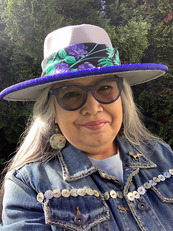
Annette Squetimkin-Anquoe, a member of the Colville Confederated Tribes, plays a key role in advancing innovative work that bridges state systems and Tribal health priorities. She is currently leading efforts on the Section 1115 Medicaid demonstration which is focused on creating reimbursement pathways for traditional health care practices. Her work includes designing, implementing, and ultimately overseeing a Traditional Indian Medicine program at the state level, an initiative grounded in cultural respect with a long-term impact. Her ability to navigate complex systems with multiple perspectives makes her an essential part of advancing Tribal health initiatives.
A major component of Annette’s work involves statewide planning in close partnership with Tribes. Together, they are laying the groundwork for a five-year demonstration project that aims to transform how traditional healing practices are recognized and supported within the health care system. This effort reflects a broader vision of improving service delivery and ensuring better health outcomes for Tribal members seeking care.
Known for her collaborative and grounded work style. While supporting leadership coordination across legal, financial, and Tribal relations teams. She values face-to-face connection. What drives Annette most is her deep connection to the communities she serves. Having worked in Tribal communities for many years she brings both professional expertise and personal passion to her role. She shares that being part of the Office of Tribal Affairs means contributing to something meaningful and doing work that will impact generations to come.
Annette appreciates the dynamic and supportive culture within the Office of Tribal Affairs. Even during complex and challenging decisions, she values a workplace that remains engaging, interactive, and in purpose. “There is never a day I don’t learn something.” She reflects that “the work is complex but that’s what makes it meaningful, we’re always thinking about what’s best for the future of our people.” When a project is complete or when things go her way, Annette likes to sit back and say out loud, “Now that’s what I’m talking about!”
Outside of meetings and planning sessions, you might find Annette eating her favorite snack, an apple, or munching on Doritos. Outside of work, she likes to be with her family, enjoy pow wows, read, and be creative with arts and craft projects.
|
|
|
Wellness corner
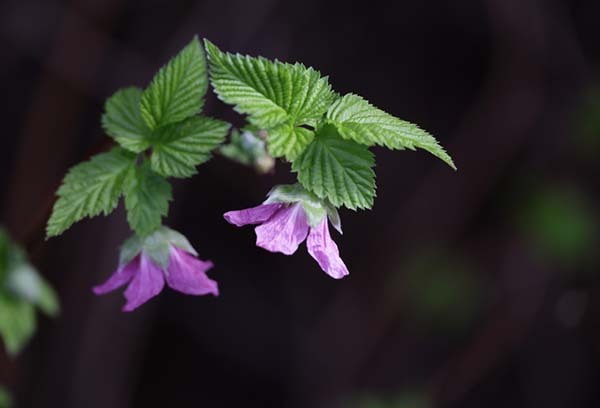
Getting to know Salmonberry
Article reshared from GRuB.org
Salmonberry (Rubus spectabilis) forms dense thickets in wet forested areas, especially along streams and rivers. Plants grow as high as nine feet tall with brown stems covered in thorns and leaves resemble the raspberry plant. Deep pink flowers have five petals and many stamens. Leaves are sharply toothed, pointed at the tip, and grow in threes. Salmonberries are the first berry to ripen—usually in April through June. They can be orange to ruby-colored and are the same shape as raspberries and blackberries. Salmonberry is in the rose family.
Salmonberry provides important food for many species. Hummingbirds, butterflies, and insects, including bees, drink the flower nectar. Insects carry pollen from bush to bush and assist in pollinating flowers and creating more berries. Salmonberries are eaten by many types of birds, squirrels, chipmunks, and larger mammals like coyotes, bear, deer, and elk. Salmonberry patches provide shelter for birds and small mammals.
Many Native communities in the Pacific Northwest associate salmonberry with Swainson’s thrush, which is also called salmonberry bird. Salmonberry flowers are often in bloom when this bird returns from its winter grounds. You might hear it singing its song from salmonberry bushes.
Some Salish Elders teach that salmonberry is an environmental indicator for salmon runs. Salmonberries often grow along waterways including rivers and streams. If there is enough rain and the waters are healthy and flowing well, salmonberry flowers will be abundant, and salmon will be able to easily spawn up rivers and streams to renew their species.
Read the full article.
|
|
|
Tribal programs
Youth Toolkits sent to schools
Over the last year, HCA Office of Tribal Affairs has worked closely with Tribes and Native-serving organizations to create materials and resources specifically for Native youth. OSPI is working with the HCA Office of Tribal Affairs to send out toolkits to State-Tribal Education Compact (STEC) schools and districts with Title VI Indian Education Programs across the state.
The toolkit includes youth-specific items like posters, rack cards, and an interactive refusal skills slider. Then, you will have the opportunity to order more of the available materials and have them customized (with your Tribal School logo or Native education department contact information, for example) and shipped to you at no charge. If you have any questions about the For Our Lives youth toolkits or the campaign in general, please contact ForOurLives@wearedh.com.
|

DH Accepts two Addy Awards for Integrated Media Public Service Campaign and Best in Show for For Our Lives campaign
Each year, creative agencies, studios, freelancers, and organizations producing advertising and social marketing campaigns across the come together at the Spokane American Advertising Awards to recognize the teams and talent who think creatively and deliver exceptional results. We are pleased to that this year the For Our Lives campaign’s youth expansion received not one, but two awards — a gold Addy award for Integrated Media Public Service Campaign and a best in show!
This award would not have been possible without our campaign participants and the thoughtful input, guidance, and creative work of Tribes, Urban Indian Health Programs, Native partners and creatives, Washington state health agencies, task forces and workgroups.
This local competition is the first tier of a three-level national awards program, and as a Gold Addy Award-winner, For Our Lives youth expansion will advance to the District XI competition, bringing this important work to a wider stage.
|
Billing and policy
Need to talk billing specifics or troubleshoot? Contact us!
Reach out to Program Specialist Stacy Swan or Mike Longnecker! We're happy to schedule a one-on-one session with you and help troubleshoot and streamline your billing needs.
Training and funding
|
|
Are you someone with lived experience ready to share your story?
The Washington State Tribal Opioid Fentanyl Taskforce is looking for those with lived experience to share their stories at the Annual Tribal Opioid Summit, and collaborative engagement throughout 2026. Your partnership and leadership is central to addressing the ongoing impacts of the opioid and fentanyl crisis in Tribal communities. For more information on how to apply, read the Dear Tribal Leader letter.
Consultations and roundtables
Check out the consultations and meetings page for updates, key topics, and related materials.
Observances

MMIWP - Standing in solidarity with Missing and Murdered Indigenous Women and People
As of 2026, Washington state ranks among the highest in the Nation for missing and murdered Indigenous people, with cases disproportionately affecting our local Tribal communities. The Washington MMIWP Task Force continues to work alongside Tribes to address jurisdictional gaps and systemic barriers. We encourage communities to stand in solidarity with Indigenous families, amplify their voices, and utilize resources like the new Missing Indigenous Persons Toolkit to support prevention and response efforts. For active alerts, visit the Washington State Patrol (WSP) Missing & Unidentified Persons Unit.
|
May is mental health awareness month
May is dedicated to raising awareness about mental health, reducing the stigma surrounding mental illness, and fostering a community of support for the one in five adults in the U.S. living with a mental health condition. Established in 1949, this month serves as a crucial reminder that mental health is just as important as physical health, and that no one should face their challenges alone.
Whether it is practicing self-care, checking in on a loved one, or accessing resources, this month is about taking action and reminding everyone that it is okay to ask for help.
Let’s turn awareness into action this May by breaking the silence, offering compassion, and supporting mental well-being for all.
Need support?
Call or text 988 to reach the 988 Suicide & Crisis Lifeline.
|
|
|
Share your thoughts
We're in the process of developing our Tribal Bulletin newsletter and want to hear your thoughts! Email us.
Subscribe
Did someone forward you this email? Subscribe to get the Tribal Bulletin newsletter.
|
|
|
|
|