|
Foundational Community Supports (FCS) is an initiative of Medicaid Transformation. It allows qualified providers to receive Medicaid reimbursement for delivering supportive housing and supported employment services for people with the greatest and most immediate social and health needs.
During the first full week of August, members of the Washington Health Care Authority Foundational Community Supports (FCS) joined our partners with Home and Community Living Administration (HCLA) and Department of Commerce at the annual conference, "Annual Addressing Homelessness Through a Public Health Lens," in Washington, D.C.
During the conference, the Housing Related Social Needs Program (HRSN) was a highlighted focal point. The team learned that, along with the state of Arizona, Washington is farther along in the development of our waiver project, and we were supporting other states with ideas on how to further their programs.
This was a great opportunity for our program to share lessons learned, learn ways that other states are initiating and running their programs, and provided intentional time for all of us to strategize each of our programs moving forward.
Our FCS Team returned to Washington State feeling humbled by the progress we have made and even more hopeful for the continuation of our waiver project.
November is a time to open our hearts and minds as we honor National Homelessness Awareness Month. It’s a moment to pause, reflect, and remember that behind every statistic is a person—a story of resilience, strength, and hope.
Homelessness is not a life sentence; it’s a circumstance that can change when communities come together with compassion and commitment. Every day, people across the country are rebuilding their lives through safe housing, meaningful employment, and the support of caring providers who believe in their potential.
This month reminds us that hope is powerful, housing is healing, and connection changes everything. When we stand together, we move closer to a world where everyone has a safe place to call home—and the opportunity to thrive.
The Glidepath to Employment: FCS SE/HEN Program officially ended on October 31, 2025.
This initiative was created to help individuals bridge the transition from public assistance to employment and greater self-sufficiency. The program recognized that Supported Employment is a vital Health-Related Social Need (HRSN) one that deeply influences overall well-being, mental health, and physical stability. Through intentional, person-centered support, the program served individuals with behavioral health challenges, substance use disorders, physical impairments, and other co-occurring conditions.
Employment plays a key role in recovery and community reintegration, particularly for people with justice involvement or those leaving inpatient settings. Yet, we know that systemic barriers such as the loss of benefits upon returning to work and limited access to benefit planning can make that transition difficult.
To address these challenges, Proviso 92 funding (FY 2023–2025) supported the creation of a “bridge period” for participants enrolled in both Housing and Essential Needs (HEN) and Foundational Community Supports (FCS) Supported Employment. This effort increased access to benefits planning, provided flexible support funds to reduce work-related barriers, and offered short-term rental assistance to help individuals move toward stability and independence.
The Glidepath to Employment initiative has been a meaningful partnership between the Health Care Authority (HCA), Department of Social and Health Services (DSHS), and Department of Commerce demonstrating the power of collaboration in promoting employment, housing stability, and overall well-being.
As this program concludes, the lessons and successes it provided will continue to inform efforts to ensure people have the support they need to work, thrive, and maintain stability in their communities.
We would like to thank the Glidepath providers and staff for all the wonderful work they did in providing Glidepath services.
Glidepath success stories
Balancing Life and Work: A Client’s Path to Stability
When this client first entered the FCS Employment Program through DSHS, she had been out of the workforce for over 3.5 years. Having previously worked nearly two decades in a state position, her career came to a sudden halt after two serious car accidents left her with chronic physical pain—including a floating tailbone, collapsed discs in her back, and frequent migraines. She was also struggling with depression and mental health challenges related to both her physical limitations and the isolation of being out of work. At the time of enrollment, she was on SSDI and participating in the ALSTA program for disabled clients seeking to return to work part-time while maintaining their benefits. She expressed a desire to rejoin the workforce, ideally in a supportive and familiar environment. Having already been volunteering at her local senior center, she hoped to transition into paid employment there. Through coaching and regular check-ins, we were able to support her in identifying a suitable role at the senior center. She was offered a part-time position that kept her within Substantial Gainful Activity (SGA) limits, allowing her to retain all of her SSDI benefits. As of today, she is thriving in this role. Beyond her professional achievements, this client's progress has extended into her personal life. She took initiative to declutter and clean her home—something she had struggled with for years—and is now saving money to replace her flooring. She also provides regular care for her grandchildren, picking them up from school four days a week, which brings her immense joy and purpose. During a discussion about the potential of returning to full-time work, we explored the impact it might have on her benefits, health, and family responsibilities. After a candid and respectful conversation, she felt empowered to make a decision aligned with her values and current lifestyle. She expressed deep appreciation for the guidance and was receptive to the insight offered. This client’s journey demonstrates how tailored, compassionate employment services can support individuals in overcoming complex barriers and reentering the workforce in a way that enhances—not compromises—their quality of life.
From Isolation to advocacy: Journey of faith and purpose
With 15 years of sobriety from alcohol, this client has not only maintained his recovery but deepened it through a newfound connection with his faith. Now identifying as a man of God, he finds strength in his spirituality and is committed to growing emotionally, mentally, and spiritually. Living independently in a one-bedroom apartment, he has taken bold steps toward reintegrating fully into society. One of his greatest recent accomplishments is his decision to pursue the reinstatement of his driver’s license—something he once opposed entirely.
Through compassionate, consistent support from Ashley at Destination Hope and Recovery, he is navigating the often-complex DOL system with renewed determination. Her guidance and encouragement have helped him understand the process, build confidence, and take action toward long-delayed independence. This client also lives with significant physical challenges—he is 98% deaf, and his hearing aids cause persistent ringing, making daily communication a challenge. Despite this, his commitment to progress is unwavering.
The GlidePath team has worked tirelessly to advocate on his behalf and ensure he receives the support he deserves. Looking to the future, he has exciting plans: returning to college to pursue a welding certification. Although an early summer attempt at scholarship applications didn’t meet the deadline, he remains undeterred. He will reapply for scholarships this fall and enroll in the winter quarter. His motivation? To one day open a small garage, teach local youth how to work on cars, and provide mentorship to those growing up in the same kind of adversity he once faced. His prized Monte Carlo symbolizes his journey—a car he plans to rebuild alongside neighborhood kids as a means of teaching, connecting, and giving back. He also attends AA meetings three times a week, anchoring himself in community and accountability.
Thanks to GlidePath support, he recently received a specialized welding hood with a respirator to accommodate his COPD, making it possible for him to pursue his passion safely. Despite his history—including time in federal prison and having not held a license since 1994—he is creating a future defined not by his past, but by his purpose.
This client’s resilience, faith, and desire to give back are nothing short of inspiring. With each new goal, he steps further into the role of advocate, leader, and change-maker in the community he once struggled within. His story is a powerful reminder of what’s possible when support, perseverance, and vision come together.
Fidelity is more than a review process it’s a cornerstone of continuous quality improvement, helping programs learn, grow, and deliver the highest quality services. When we strengthen fidelity, we strengthen outcomes and that directly impacts the people we serve through more consistent support, stronger partnerships, and better paths to recovery and stability.
We would like to spotlight providers who bring fidelity to life in their work and share their stories across our network.
We’re inviting providers to submit short video clips (60-90 seconds) highlighting:
- Why you participate in fidelity, and/or
- How fidelity has supported continuous quality improvement and improved outcomes for the people you serve.
Simple, authentic videos recorded on your phone or computer are perfect no editing required.
Please submit your video by Tuesday, November 25, 2025, to hcafoundationalcommunitysupports@hca.wa.gov
Your story helps demonstrate how fidelity drives learning, collaboration, and lasting impact in supportive housing and supported employment.
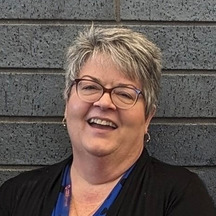
This month, we celebrate and say goodbye to our long-standing Supported Employment Program Manager, Dawn Miller, as she retires.
Her leadership, dedication, and unwavering commitment has shaped our program and inspired countless staff and participants over the years.
Dawn’s passion for helping others find meaningful work has left a lasting mark on our communities and the lives of those we serve.
Please join us in wishing Dawn all the best in this next exciting chapter — a well-earned retirement filled with joy, rest, and new adventures.
Dawn, you will be missed!!
|
Washington Health Care Authority (HCA) Foundational Community Supports (FCS) team is hosting a two-part training in November training for Fidelity reviewers.
Webinar: Part 2 Tuesday, November 4, from 1 to 3 p.m.
The supportive housing benefit under the FCS program is based on the federal evidence and research-based Substance Abuse and Mental Health Services Administration (SAMHSA) model. FCS staff are committed to training and assisting FCS providers in pursuing strategies that will result in improved services and outcomes for people enrolled in FCS.
Who should attend
- Anyone who is interested in learning about SAMHSA's permanent supportive housing evidence-based practice
- Staff who are new to supportive housing or FCS
- Providers who would like a refresher of the permanent supportive housing principles
- Individuals interested in Fidelity Reviewer Certificate Training
Washington Health Care Authority (HCA) Foundational Community Supports (FCS) team are pleased to announce the bi-monthly Medicaid documentation training series return.
Next training: Thursday, November 6, 2025, from 1 to 3 p.m.
This training is recommended for those who:
- Are new to providing Supportive Housing and Supported Employment services.
- Are interested in improving personal or agency documentation standards, especially around Medicaid billing requirements.
- Are considering participating in a fidelity review and would like more information on how to prepare for it.
We hope participants will come away with a thorough understanding of:
- How to keep interactions billable and how to document them as such.
- How comprehensive documentation enhances participant outcomes.
- The following elements of Supported Employment/Supportive Housing:
- Career profiles
- Job search and job support plans
- Disclosure forms
- Eligibility assessments and housing assessments
- Participant logs
- Housing and employment plans
Dates are bi-monthly into 2026 as follows (all sessions are from 1 to 3 p.m.)
- September 4, 2025
- November 6, 2025
- February 5, 2026
- April 2, 2026
- June 4, 2026
Washington Health Care Authority (HCA) Foundational Community Supports (FCS) team are excited to invite you to an eight-part learning community hosted by Advocates for Human Potential (AHP)
Webinar: Friday, November 7, from 10 to 11 a.m.
FCS is convening a Learning Collaborative on Permanent Supportive Housing (PSH) to strengthen the capacity of providers, community partners, and stakeholders in delivering high-quality housing and supportive services.
This collaborative will offer a structured forum for sharing best practices, addressing implementation challenges, and fostering innovation in PSH models. Through facilitated discussions, peer learning, and expert-led sessions, participants will gain practical tools to improve housing stability, health outcomes, and service coordination for individuals experiencing chronic homelessness and behavioral health challenges across Washington State.
Topics
- Long-term solutions, not quick fixes: Supportive housing focuses on permanent stability, moving beyond temporary shelter to lasting change for individuals and communities
- Partnerships are essential: Successful supportive housing depends on collaboration between housing providers, health care systems, behavioral health services, and community organizations
- Community strengthening: Beyond ending individual homelessness, supportive housing builds healthier, safer, and more inclusive communities
- Housing is healthcare: Stable housing is foundational to improving health, recovery, and overall well-being
This is an eight-part series, occurring from 10 to 11 a.m. the first Friday of each month: Nov. 7, 2025; Dec. 5, 2025; Jan. 2, 2026; Feb. 6, 2026; March 6, 2026; April 3, 2026; May 1, 2026; June 5, 2026
Washington Health Care Authority (HCA) Foundational Community Supports (FCS) team are hosting the November monthly supportive housing topical. November's topical will have Emalie Huriax from the Department of Health (DOH) Office of Infectious Disease.
Webinar: Wednesday, November 12, from 9 to 11:30 a.m.
Please join Emalie Huriaux from the Washington State DOH to learn about the framework of harm reduction, both as a practical strategy for addressing the individual impacts of substance use and as a social justice movement founded in the autonomy and human rights of people who use drugs.
This presentation will also provide a brief overview of drug policy and periods of prohibition and regulation in the United States. Understanding this history is critical to understanding the current overdose crisis and persistent drug-related health disparities among Native American/Alaska Native, Black/African American, and Hispanic/Latino communities.
Washington Health Care Authority (HCA) Foundational Community Supports (FCS) team in partnership with Rutgers School of Psychiatric Rehabilitation and Counseling Professions is hosting the November Supportive Housing webinar
Webinar: Wednesday, November 12, at 11 a.m.
As direct-care staff and supervisors, you play a critical role in helping people stabilize in housing and employment and envision a future filled with purpose and possibility. Yet we know that change is rarely easy, and clients may feel discouraged, ambivalent, or overwhelmed by past setbacks.
In this session, you’ll gain practical, evidence-based strategies to inspire hope, sustain motivation, and promote lasting change with the individuals you serve in supportive housing and supported employment.
Together, we’ll explore how to turn everyday interactions into opportunities for empowerment, helping clients build resilience while strengthening your team’s ability to deliver recovery-oriented care with confidence and impact.
Objectives
- Understand motivation and optimism across housing, employment, and recovery contexts.
- Apply motivational interviewing and recovery-oriented practices to promote change in diverse service settings.
- Use practical strategies that strengthen hope and resilience for clients facing mental health, employment, and substance use challenges.
- Engage in activities to strengthen cross-setting client-centered communication skills.
Washington Health Care Authority (HCA) Foundational Community Supports (FCS) team in partnership with Rutgers School of Psychiatric Rehabilitation and Counseling Professions is hosting the November Supported Employment webinar for career innovations.
Webinar: Thursday, November 13, from 9 to 10 a.m.
Motivational Interviewing (MI) is an approach that has been shown to be effective with individuals in the earlier stages of change, such as pre-contemplation and contemplation—stages where most people typically find themselves when facing change. MI focuses on exploring and resolving ambivalence and is geared toward understanding and enhancing internal motivations that facilitate change. During this session, we will review and practice using the MI techniques of open-ended questions, affirmations, reflections, and summaries (OARS) to enhance our communication skills with job seekers.
Objectives
- Define open-ended questions, affirmations, reflections, and summaries (OARS) in MI
- Observe the use of OARS
- Practice using OARS in employment scenarios
Washington Health Care Authority (HCA) Foundational Community Supports team in partnership with the IPS (Individual Placement and Support) Employment Center is hosting a virtual training series for new IPS practitioners and peer specialists
Webinar: Tuesday, November 18, from 12:30 to 2 p.m.
These virtual trainings cover the eight practice principles of IPS Supported Employment. New staff in IPS programs, case managers, and clinicians are welcome to join.
The trainings are available at no cost, and each training session will cover the same material.
Webinar: Wednesday, November 19, from 9 to 10 a.m.
Washington Health Care Authority (HCA) Foundational Community Supports (FCS) team invite you to attend the monthly Supported Employment Coordinating Committee (SECC).
We would like to invite you to the monthly meeting for the HCA Supported Employment Coordinating Committee (SECC) to improve the employment rate for people with behavioral health and other challenges. The current SECC was originally the Olmstead Policy Academy started in 2013 to create a strategic plan to improve the employment rate for people experiencing mental health and/or substance use issues.
The SECC carries on with the same intent with a goal of accessing a broader audience. We still have much to do to improve employment rates and support Medicaid recipients’ return to work. At each meeting, we will share new ideas and challenges, as well as discuss strategies to improve results. We will also include trainings from specialists working on various programs and projects.
Please feel free to distribute to others that you think may be interested in these conversations
Washington Health Care Authority (HCA) Foundational Community Supports (FCS) team invites you to join them for the monthly FCS 101
Webinar: Wednesday, November 19, from 10 a.m. to noon
This training is intended to provide you with an introduction to the FCS program. We enthusiastically encourage providers to attend that would like to learn more about the variety of programs supported by FCS, and introduction to the Washington FCS team and answer questions you may have.
Objectives
- Introductory information about Foundational Community Supports
- Supported employment services
- Supportive housing services
Teams meeting information:
Meeting ID: 296 913 413 918 3
Passcode: Ns96LM2L
Washington Health Care Authority (HCA) Foundational Community Supports (FCS) team in partnership with Rutgers School of Psychiatric Rehabilitation and Counseling Professions is hosting the second part of the Supervision with Purpose series
Webinar: Wednesday, November 19, at 2 p.m.
Supervisors in FCS programs often balance multiple modalities of supervision to effectively guide employment and housing teams and improve service outcomes. This interactive session explores how to design and facilitate individual, group, and in-vivo supervision that supports staff growth and enhances service quality.
Participants will continue to explore Proctor’s model of supervision, integrate Appreciative Inquiry (AI) and Nonviolent Communication (NVC) approaches, and use structured tools such as agendas, supervision forms, and process recordings to strengthen supervision practices across modalities.
Objectives
- Explore the three primary modes of supervision: individual, group, and in-vivo
- Leverage Proctor’s Model, Appreciative Inquiry, and Nonviolent Communication to guide effective supervisory discussions
- Implement targeted strategies for group supervision and field-based coaching to strengthen staff competencies and service outcomes
Washington Health Care Authority (HCA) Foundational Community Supports (FCS) team in partnership with Rutgers School of Psychiatric Rehabilitation and Counseling Professions is holding a Buried in Treasures learning community one Thursday a month from October through June
Webinar: Thursday, November 20, from 1 to 2:15 p.m.
Join the Buried in Treasures Learning Community, a monthly interactive forum designed to help Washington State Foundational Community Supports (FCS) providers support individuals experiencing hoarding behavior. Grounded in the acclaimed self-help manual Buried in Treasures: Help for Compulsive Acquiring, Saving, and Hoarding, this learning community offers a respectful, harm-reduction-based approach that recognizes the emotional significance of belongings and the challenges of change.
Each session will explore practical tools, peer learning, and strategies rooted in cognitive-behavioral techniques, motivational enhancement, and trauma-informed care. Participants will gain real-world knowledge, skills, and resources to engage people with empathy, foster self-directed progress, and create supportive environments where individuals feel empowered—not judged—to take meaningful steps forward.
Whether you’re new to this subject or want to improve your skills in helping clients with complex needs, this community will help you build your ability to support individuals struggling with clutter, acquiring, and discarding. While access to Buried in Treasures (2nd edition) is recommended, it is not required to participate.
Washington Health Care Authority (HCA) Foundational Community Supports (FCS) team is hosting a housing providers webinar in partnership with the Department of Health (DOH) drug user health team member Chelsie.
Webinar: Wednesday, December 3, from 9:30 to 11 a.m.
Chelsie Porter (she/her) is a member of the Drug User Health team at the DOH. In her role as Syringe Service Program Coordinator, Chelsie helps promote programs and strategies that protect and improve the health of people who use drugs, including syringe service programs, overdose education, and naloxone distribution.
Objectives
- Learn about opioids and overdoses, including how to respond to opioid overdose using naloxone
- Identify practical strategies for preventing and responding to overdoses in housing and shelter settings
Washington Health Care Authority (HCA) Foundational Community Supports (FCS) trainers are inviting you to join them in a six-part training series for The Golden Thread Documentation Training.
Webinar: Thursday, December 4, from 1 to 3 p.m.
Join us for a six-session training series that provides a comprehensive overview, with practical applications FCS documentation. Each webinar covers a specific type of documentation and addresses Medicaid requirements and the importance of the connection between assessments, service plans, and progress notes, known as the Golden Thread. The series will be presented with the newly developed Golden Thread Toolkit, a valuable new resource for FCS staff. It is recommended that participants attend all sessions in the series, as the information presented is cumulative.
This training is recommended for those who
- Are new to providing supportive housing and supported employment services
- Are interested in improving the standards of personnel or agency documentation standards
- Are considering participating in a fidelity review and would like more information on how to prepare for it
Objectives
- To use Medicaid-compliant documentation of Foundational Community Support services specifically the assessments, service plan, and progress notes.
- What the Golden Thread is, and its importance in providing quality services to participants.
- Writing documentation in a way that accurately and completely reflects a participant’s story in a person-centered way
This series continues into 2026 with webinars scheduled for March 5, May 7, and July 2, 2026.
Washington Health Care Authority (HCA) Foundational Community Supports (FCS) team in partnership with Rutgers Department of Psychiatric Rehabilitation and Counseling Professions to present the December Supportive Housing webinar.
Webinar: Wednesday, December 10, at 11 a.m.
Working in supportive housing means being there for people at their most vulnerable, often with limited resources, high caseloads, and constant crisis response. It’s meaningful work, but it can be exhausting.
This 90-minute interactive webinar focuses on practical, realistic self-care skills designed specifically for frontline supportive housing workers. This session teaches skills you can use in the moment, even during a busy shift: stress resets, grounding tools, healthy boundaries, and micro-habits that help you recharge without needing a full day off.
Objectives
- Recognize personal signs of stress, compassion fatigue and burnout
- Apply in-the-moment grounding techniques to regulate stress during high-intensity moments
- Design a realistic self-care micro-plan
Washington Health Care Authority (HCA) Foundational Community Supports (FCS) in partnership with Rutgers School of Psychiatric Rehabilitation and Counseling Professions is hosting the December supportive employment webinar
Webinar: Tuesday, December 16, from 3 to 4:30 p.m.
Stigma around serious mental health conditions persist despite efforts to address the various myths and stereotypes. This stigma and the fear of discrimination are significant concerns for people with mental health conditions in the workplace. Examining work culture provides an opportunity to gather important information about a workplace to identify inclusive practices that support diversity and inclusion.
Work culture encompasses how employees interact with one another, the organization's values, and characteristics such as physical space and leadership structure. We will explore the effects of stigma in the workplace, examine the features that comprise an inclusive work environment, and review methods for assessing work culture.
Objectives
- Describe the effects of stigma in the workplace
- Identify features of inclusive workplaces
- Review strategies to assess work culture
- Conduct a work culture analysis
|