|
|
Can’t access the links? Add “lnks.gd” to the allowlist of your content blocking software.
|
|
Strengthening partnerships and advancing Tribal health priorities
As we transition to this next season, we reflect on the many moments of connection across Indian Country. From times shared with community at local Tribal gatherings to the annual Canoe Journey, these events highlight the strength of our traditions and the importance of working together to support the health and well-being of our people.
At the Health Care Authority's (HCA's) Office of Tribal Affairs (OTA), we continue advancing projects that uphold Tribal Sovereignty and strengthen partnerships. Key initiatives include:
- Enhancing Tribal engagement in the Health Care Management and Coordination System (HCMACS)
- Improving coordination between Tribes and managed care organizations through Coordinated Care Agreements
- Ensuring Tribal priorities and service expectations are honored in Sovereign Nation and Service Level Agreements
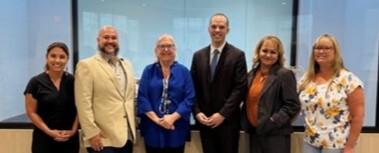
We are also pleased to welcome HCA’s new Director, Ryan Moran. Director Moran is committed to building relationships with Tribes and will be visiting Tribal leaders and communities across the state in the coming months.
Pictured from left to right: Raina Peone (OTA), Aren Spark (OTA), Toni Lodge (NATIVE Project), Ryan Moran (HCA), Katherine Saluskin (Yakama Nation), and Lisa Davison (Yakama Nation)
We are deeply grateful for the continued partnership of Tribal leaders, health staff, and community members who guide and ground this work. As we move into fall, our commitment remains firm in collaboration that is accountable, respectful, and enduring.
Sincerely,
Aren Sparck
Office of Tribal Affairs Administrator
|
|
Joe Santos
Joe joined OTA in January 2025 as a Management Analyst 4. He works on projects tied to the Medicaid Transformation Project, like setting up the Native Hub, strengthening Care Coordination Agreements, and supporting the Reentry Initiative. He also helps with the Primary Care Coordination and Management program. His focus is on analyzing programs and helping put them into action in ways that support stronger health outcomes for Tribal communities.
 Joe is a proud veteran of the US Navy having served in Japan, Korea, and Bremerton Naval Hospital as a Hospital Corpsman and field medic with the Marines. This picture was taken on the tarmac of the Marine Corps Air station in Okinawa, Japan. Joe was 19.
Teamwork is a big part of how Joe works. He enjoys learning from others and believes the best results come when people collaborate openly, not in silos. Colleagues find him easy to connect with—email or Microsoft Teams are the best ways to reach him.
Joe also brings a fun, personal side to the office. He’s a fan of potato chips but admits that chicharrónes are his true weakness. And when things go his way, he celebrates with a favorite dance the “armpit dance”—a move that looks a little like the funky chicken without the arm flaps. It’s his playful way of marking wins while sharing a piece of his culture.
As one of the newest members of the OTA, Joe is excited to put his skills and experiences to work. He looks forward to supporting projects that help improve health care for Tribal communities and strengthen partnerships across the state. Joe has been happily married for over 20 years and has four daughters and a very needy 15-year-old black lab.
|
|
Wellness corner with Kia
Elderberry: from harvest to healing
Late summer in the Pacific Northwest brings the dark clusters of elderberries. These small, purple-black berries have been valued for centuries as both food and medicine, offering a seasonal boost of flavor and wellness.
Elderberries are best harvested from August through September, when they turn a rich, deep purple. Green or red berries are not safe to eat and should be avoided. The easiest way to gather is to clip whole clusters with scissors or pruning shears, leaving plenty behind for birds and the plant’s own regeneration. Freezing the clusters before processing makes it easier to strip the berries from their stems, which are also toxic and should be discarded. Harvest mindfully—take only what you’ll use—and offer gratitude to the plant.
Cooked elderberries are packed with antioxidants and flavonoids that support immune function and reduce inflammation. Traditionally, they have been used to shorten the duration of colds and flu, soothe sore throats, and gently detoxify the body. It’s important to remember that raw berries, stems, and leaves contain compounds that can cause illness, so elderberries should always be prepared by cooking.
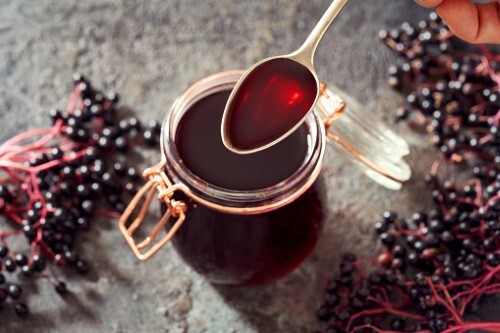
Elderberry syrup recipe
A classic way to enjoy elderberry’s benefits is in syrup form:
- 1 cup fresh (or ½ cup dried) elderberries
- 3 cups water
- 1 cinnamon stick, 3-4 slices ginger, and 3-4 cloves (optional)
- 1 cup raw honey
Simmer berries with water and spices for 30 - 40 minutes until it reduces by half. Mash, strain, and allow the liquid to cool before stirring in the honey. Stored in the refrigerator for up to two months. Traditionally, adults take a tablespoon daily for prevention (or several times a day when sick), while children over one year of age can have a teaspoon.
Elderberries offer more than medicine—they are a way to connect with the seasons, honor traditional knowledge, and nurture health with the gifts of the land. Whether made into syrup, tea, or jam, they remain one of nature’s richest allies during the colder months ahead.
|
|
|
Tribal programs
- HCA is moving forward with HCMACS, a new enterprise-wide electronic health record (EHR) platform that will connect state agencies, Tribes, Indian health care providers (IHCPs), and other providers to improve care delivery and coordination. Epic has been selected as the vendor, with the first go-live planned for 2027. Read the Dear Tribal Leader Letter.
- HCA is developing forms to support Tribal Federally Qualified Health Center (FQHC) Affiliate Agreements. These agreements are designed to strengthen partnerships between Tribes and FQHCs, helping ensure access to comprehensive, culturally appropriate health services for Tribal communities. The new forms will streamline the process for establishing agreements and provide clear guidance for Tribal affiliates.
- HCA is partnering with Tribes and IHCPs to apply for a Section 1115 Medicaid waiver to support Traditional Health Care Practices, also called Traditional Indian Medicine. The waiver aims to demonstrate the benefits of providing reimbursement for traditional health care practices, improving Tribal health outcomes, and ensuring Tribal input shapes the program. Read the Dear Tribal Leader Letter. We will be sharing more information soon, including some public hearing dates and other ways you can share your feedback about the waiver application.
-
Indian Nation Agreements (INAs) are now called Sovereign Nation Agreements (SNAs), which became effective July 1, 2025. Tribes received copies of the new SNA for signature in June 2025, completing the umbrella agreement that replaces the INA. The next phase will be issuing Service Level Agreements (SLAs), which include funding for specific programs. While our teams are committed to reducing delays, this year’s late state budget signing and high contract volume (over 160 SLAs requested by OTA) have impacted timelines. We are working diligently to finalize SLAs, with several already effective as of July 1, 2025. For questions, please contact the Tribal Affairs Contract Portfolio Manager, Henry Roy,
Billing and policy
Need to talk billing specifics or troubleshoot? Contact us!
Reach out to Billing Specialists Stacy Swan or Mike Longnecker. We're happy to schedule a one-on-one session with you and help troubleshoot and streamline.
Training and funding
Help strengthen Native and rural communities!
As part of H.R. 1, the federal government is offering $50 billion Rural Health Transformation Program (RHTP) funding to help improve rural health care across the country. Approved states will receive 10 billion each year from 2026–2030. The Centers for Medicare & Medicaid Services (CMS) will oversee program RHTP. Read the Dear Tribal Leader Letter
In Washington, HCA is partnering with the Departments of Health (DOH) and Social and Health Services (DSHS), in support of the Governor's Office, to develop our state’s RHTP application. Tribal communities are identified as a priority for funding. OTA is currently offering listening sessions and Tribal Consultations to learn more about Tribe's priorities for Native and rural communities.
HCA will submit our state’s RHTP application in early November.
Become a certified peer specialist!
Use your own healing journey to uplift others through culturally respectful, lived-experience support. It’s a powerful way to give back, strengthen community ties, and help our people walk the path of wellness together.
|
|
Orange Shirt Day
Observed annually on September 30, Orange Shirt Day is a symbol of remembrance and reconciliation. It began in memory of Phyllis Webstad, a Northern Secwepemc woman whose new orange shirt was taken from her on her first day at residential boarding school. Wearing orange reminds us that every child matters—past, present, and future—and encourages conversations about healing, cultural awareness, and Indigenous rights.
|
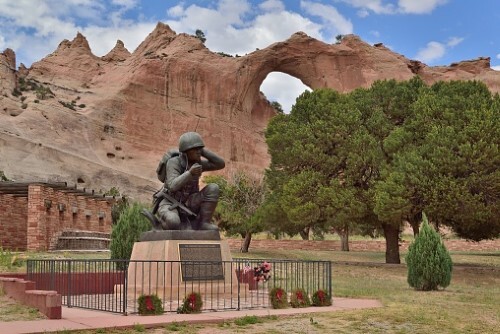
Veterans Day
Facts about Native Americans serving in the U.S. military
- Native Americans and Alaska Natives serve in the U.S. military at one of the highest per-capita rates of any ethnic group.
- While Native people make up about 1.4% of the U.S. population, they're about 1.7% of active-duty service members.
- There are about 140,000 living Native American veterans; among them, there are more women than in other veteran groups.
Events across the state honoring Native American veterans
Yakama Veterans Day Pow-wow
Veterans Affairs Native American Heritage Celebration
|
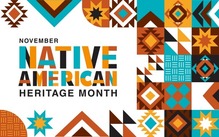
Native American Heritage Month
This November, OTA proudly celebrates Native American Heritage Month. It is a time to honor the history, cultures, and contributions of the 29 federally recognized Tribes in Washington state and Native people across the country.
For us, this observance is more than reflection—it is a reminder of why our work in health care must be grounded in respect, partnership, and cultural understanding. By recognizing the resilience and wisdom of Native communities, we strengthen our commitment to advancing health equity and ensuring that Tribal voices remain at the center of the policies and services that affect their well-being.
|
|
|
|
Check out our resource page in case you missed the latest Dear Tribal Leader Letters, billing resources, toolkits, or minutes from previous meetings.
 |
|
|
|
|
Washington’s Native & Strong Lifeline, the only crisis line in the U.S. fully staffed by Native counselors, now offers 24/7 text and chat services. The Native & Strong Lifeline provides culturally affirming mental health support for all Indigenous people in the state.
|
|
For Our Lives has a new page featuring videos created by and for Native youth, highlighting their voices, experiences, and perspectives on mental health, identity, and community healing. These stories aim to empower young people and foster meaningful conversations within Indigenous communities. |
|
 |
|
|
Share your thoughts
We want to hear what you think about the Tribal Bulletin! Email us.
Subscribe
Did someone forward you this email? Subscribe to get the Tribal Bulletin newsletter.
|
|
|
|
|