|
Where mission
and heart meet Behavioral Health. |
|
Can’t access the links? Add “lnks.gd” to the allowlist of your content blocking software. |
|
|
In this issue, we’re focusing on the health and well-being of Washington’s youth and families. You’ll find highlights from the Healthy Youth Survey, free education sessions for families affected by substance use, and updates on the Washington Thriving plan. We’re also sharing resources like Family Initiated Treatment, a new youth-led program called Club7, and recognizing September as both Recovery Month and Suicide Prevention Awareness Month. Each story is about connection, support, and hope working together to build healthier futures for our communities.
|
|
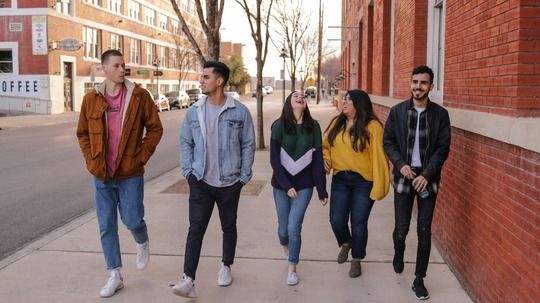
The Washington State Healthy Youth Survey (HYS) provides valuable insights into the health, well-being, and experiences of young people across our state. Every two years, middle and high school students share their perspectives on topics such as mental health, substance use, school climate, and social supports. These responses help schools, communities, and policymakers better understand youth needs and shape services that support them.
The latest survey results raise some questions. Data from 2021 and 2023 show fewer students reporting depression, suicidal thoughts, or substance use. At first, this might look like things are getting better after the pandemic. But people working with youth every day see a different story. Many young people and families are still struggling to get the help they need, and the demand for services is greater than the resources available. This gap doesn’t fully match the reports of lower risks in the survey, which suggests there’s more going on beneath the surface.
Similarly, declines in self-reported substance use do not always match lived community experiences. Anecdotal observations continue to point to youth substance use in social settings, raising questions about how accurately online survey responses capture these behaviors compared to earlier paper-and-pencil methods.
The next round of HYS data, available winter of 2026, will provide a third point of comparison and help clarify whether these changes reflect a true trend or a shift in how students report sensitive information. Until then, ongoing dialogue between data, providers, and lived experiences will remain essential for understanding and supporting the health of Washington’s youth.
|
|
|
Stay connected with the latest opportunities. Below you’ll find upcoming announcements, events, and trainings designed to keep you informed and engaged. We encourage you to share these with your networks and join in where it’s helpful.
Parents and caregivers affected by substance use can access free, 8-week education sessions. Learn practical skills, improve communication, and navigate Washington’s behavioral health systems. Morning and evening sessions offered; certificate available.
Thank you for your feedback! Washington Thriving appreciates the valuable input shared on Draft 5 of the Prenatal-through-25 Behavioral Health Strategic Plan. Your perspectives are helping shape the final version, scheduled for submission to the Legislature on November 1, 2025.
Check out our Family Initiated Treatment guide for families, participants, and providers, designed to help youth, families, caregivers, and providers navigate support for youth in crisis.
Washington State University’s BROADCast Newsletter highlights work across Washington to improve care for people in the early stages of psychosis and their families. The August issue includes updates from the Psychosis CARE conference, new resources, program spotlights, and opportunities for providers and community members.
(Published by Washington State University. Shared with permission.)
|
|
|
A word from our partners at Only7Seconds
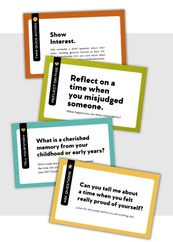
Only7Seconds is excited to introduce Club7, a new upstream prevention program designed to support youth mental and behavioral health across Washington. Rooted in the belief that social connection is essential to well-being, Club7 empowers young people to take the lead in combating the growing epidemic of loneliness.
Through weekly youth-led club meetings and monthly community-wide Connection Challenges, Club7 provides spaces for young people to connect, share, and build supportive relationships. These opportunities not only strengthen social health but also help prevent the mental and physical challenges linked to chronic loneliness and isolation.
Club7 also engages families and adult allies through a communication suite offering resources, tools, and awareness-building strategies. This ensures the adults who support youth are equipped to encourage meaningful connection and reinforce the positive impacts of the program.
By putting youth voices at the center, Club7 is creating a movement that reduces loneliness and fosters healthier, more resilient communities.
|
|
|
|
National Recovery Month (Recovery Month), which started in 1989, is observed every September to promote and support new evidence-based treatment and recovery practices, the nation’s strong and proud recovery community, and the dedication of service providers and communities who make recovery possible.
SAMHSA aims to increase public awareness surrounding mental health and addiction recovery. In the years since Recovery Month launched, SAMHSA has timed announcements of initiatives and grant funding during Recovery Month, while collaborating with private and public entities to celebrate individuals during their long-term recoveries.
|
|
Suicide is a serious public health problem in Washington. It affects people of all ages in communities across the state.
Because suicide is one of the leading causes of early death in Washington, preventing it improves the health of Washingtonians and our communities. The Washington State Department of Health is taking many actions for suicide prevention and guides implementation of the WA State Suicide Prevention Plan (PDF).
|
|
|
|
|