|
Can’t access the links? Add “lnks.gd” to the allowlist of your content blocking software. |
|

Healing, partnership, and moving forward together
As we move into summer, the season greets us with long days and a return to the land. For many Tribal communities, spring and summer are a time of gathering. As the weather warms, we come together to gather our traditional foods, medicine, and resources that will carry us through the winter months.
We teach our friends, relatives, and next generations the knowledge that has been handed down for millennia, ensuring the culture and spirit of our people carries on. These are the times when we strengthen our connection to the land, work to improve our health, enrich our familial relationships, and instill resilience in our communities.
At the Health Care Authority’s Office of Tribal Affairs (OTA), we are honored to continue working with Tribes to strengthen health and wellness. We are committed to working in cooperation with Tribal communities to improve the health care delivery system within Washington state. We have made significant strides in the past year moving forward important work that Tribes have identified as priorities.
For example, establishing the federally negotiated indirect rate as the norm for HCA contracts was a meaningful agency policy change. This will better enable Tribes to provide services within their communities.
We share a lot of other great work later in this newsletter, all of which happened because of the leadership and collaboration of Tribes. Our Tribal communities have a long history of taking excellent care of their people. Just as we gathered medicines in past summers, our Tribal communities continue to identify the needs of their communities and neighboring communities and answer the call to action.
We are honored to be able to be a small part in supporting the work of our Tribal partners. Our team looks forward to continuing to help clear barriers and tackle challenges with Tribal partners. We’re preparing, we’re caring for each other, and we’re making sure the work we do now helps carry us through what’s ahead.
|
 |
|
We’re grateful to be walking this path with you.
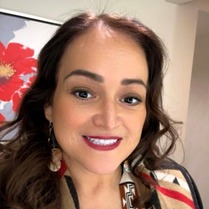
Christine L. Winn
Quinault Citizen, Hupa, Yurok, and Saanich Descendant
Tribal Affairs Deputy Administrator
Health Care Authority
|
|
|
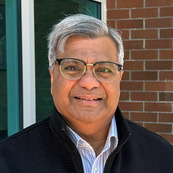
Name: Henry Roy
Job Title: Contracts Portfolio Manager
What do you do for OTA?
I oversee contracts, including the Sovereign Nation Agreement. I’ve worked in Tribal finance for over 20 years, mainly as a Chief Financial Officer for Native Nations in the Pacific Northwest, East Coast, and Alaska. Over my career, I have lived on Tribal Lands in Canada, the United States, Central America, and worked with the Mayan Indians. The decision to apply my knowledge in assisting Tribal governments has been the most fulfilling; the advancement of Tribal Sovereignty is a key goal of mine.
I’ve helped manage grants, contracts, and budgets. I have worked closely with Indian Health Service (IHS), the Bureau of Indian Affairs (BIA), and state agencies to improve Native health care and support Sovereignty. I have worked in advancing Tribal Sovereignty through various avenues, such a helping to establish the first full-funding 105(L) leases with IHS and BIA for Alaska Native health care clinics.
What is your work style?
Collaborative: I love working in a team environment. I like to focus on different projects and learning new skills. HCA has a lot of sophisticated information systems to get oriented with. I am generally a quiet person; there is a Tribal saying that goes something along the lines of having few words and big footprints as your legacy. That’s definitely how I approach my work.
Best way to get ahold of you? Email is best.
Favorite snack? Sev (they are an East Indian version of sweet/savory chips).
Hobbies? I like to travel, take photos, and see different places.
What is your go-to office dance move when things go your way?
I’m not the most expressive, so I tend to smile to myself when things work out as intended. It makes me happy to compliment other people on their work and contributions.
|
|
|
Summit addresses opioid and fentanyl impact across Tribes in Washington state
 |
|
In May, The Cowlitz Indian Tribe hosted the Third Washington State Tribal Opioid Fentanyl Summit—a gathering where Tribal and state leaders, health care workers, and others come together to share, learn, and plan. This Summit is a powerful reminder of how strong we are when we work together, incorporate a holistic approach, and treat the person rather than the ailment. |

Opening of Fern Lodge
On June 6, Tulalip Tribes, joined by leaders from HCA and Telecare, held an open house for Fern Lodge, a 16‑bed inpatient behavioral health facility in Stanwood. This facility is especially meaningful: It’s a much-needed treatment facility on Tribal land, in partnership with HCA and Telecare.
Fern Lodge shows what it looks like when Tribes lead the way in creating culturally grounded spaces for recovery and healing in the community. It’s a place where people can reconnect with their wellness in a way that honors who they are.
|
Wellness corner
 |
|
Summer wellness:
Hydrate & glow
This summer, boost your well‑being by staying hydrated and enjoying smart sun exposure. Start your day with infused water—try combinations like cucumber‑mint‑lime, strawberry‑basil, or blueberry‑orange‑rosemary—rich in antioxidants, vitamin C, and cooling flavors.
|
Add a tropical twist with watermelon‑basil or pineapple‑coconut infusions for extra refreshment. Visit the Rethink your drink site, created by Valerie Segrest, an enrolled member of the Muckleshoot Tribe, and Elise Krohn, Creative Commons for some more infusion ideas.
Hydration tip: Infuse water with slices of cucumber, lemon, and mint for a refreshing twist. This combination adds flavor and provides cooling benefits.
Sun exposure: Limit direct sun exposure between 10 a.m. and 4 p.m. When outdoors, wear protective clothing, a wide-brimmed hat, and apply broad-spectrum sunscreen with at least SPF 30.
Soothing sun spray recipe
Shared by Traditional Herbalist Nakia DeMeiro
- Pour 2 oz. each of:
- Distilled water
- Organic aloe vera gel
- Add 7 drops each of:
- Lavender essential oil
- Peppermint essential oil
|
|
 |
Instructions:
- Combine all ingredients in a 4-ounce spray bottle.
- Shake well before each use.
- Spray onto sun-exposed skin for instant cooling relief.
Store in the refrigerator for added freshness. Use it within a few weeks.
Caution: Essential oils are highly concentrated. Apply as directed and not directly to the skin, as the oil can cause irritation, rashes, or even chemical burns.
|
|
Sovereign Nation Agreement and Service Level Agreements
This year, we finalized the Sovereign Nation Agreement (SNA), formerly called the Indian Nation Agreement (INA). This agreement sets the foundation for how the state and Tribes will continue working together in respectful, government-to-government ways.
From that agreement, we’ll move into the next steps with Service Level Agreements (SLAs) that help make sure services are delivered in ways that truly support Tribal communities. SLAs are intended to reduce the administrative burden on Tribes, allowing easier access to much-needed federal and state dollars.
Health Care Management and Coordination System (HCMACS) moving forward
HCMACS, the statewide electronic health record (EHR) system, is moving forward once again, thanks to Tribal and state support. And of course, this includes working side by side with Tribes to combat the opioid and fentanyl crisis and its devastating impacts across the state.
Tribes have taken a lead role in providing much-needed services throughout Washington state for Tribal community members and state residents alike. It's a powerful testament to the important and meaningful impact Tribes have on our communities. It takes all of us—Tribal governments, the state, families, and communities—coming together to support the path forward.
Traditional Indian Medicine (TIM) gets nod from the Legislature
TIM is also moving forward, thanks to the American Indian Health Commission (AIHC) and Tribal legislative advocacy. The Legislature authorized HCA to submit a State Plan Amendment (SPA) for TIM by the end of 2025.
Federal use of Apple Health data
HCA learned that data routinely submitted to the federal government for Apple Health (Medicaid) was shared with the Department of Homeland Security without prior notice or consultation. This includes information on services provided to more than 1.7 million people in Washington.
For details on what happened, who is affected, and how HCA is responding in coordination with Tribal partners and the Attorney General’s Office, read the Dear Tribal Leader Letter (DTLL).
Billing and policy
Educating people about Department of Health's Diabetes Education Program? You could receive reimbursement.
Complete the application for program approval and Medicaid reimbursement.
Need to talk billing specifics or troubleshoot? Contact us!
Reach out to Program Specialist Stacy Swan or Mike Longnecker! We're happy to schedule a one-on-one session with you and help troubleshoot and streamline.
Training and funding
Become a Certified Peer Specialist!
Use your own healing journey to uplift others through culturally respectful, lived-experience support. It’s a powerful way to give back, strengthen community ties, and help our people walk the path of wellness together.
|
|
Celebrating Pride Month: Two-Spirit people have always been part of Indigenous communities

Many Tribes have long-recognized people who carry both male and female spirits or live outside the usual roles of men and women. These individuals are often trusted as healers, teachers, artists, and spiritual leaders. They play important roles in our communities.
Honoring Two-Spirit people is part of honoring Indigenous culture and history. Today, Two-Spirit people are assisting in the efforts to heal communities, teach young people, protect the environment, and bring back Tribal languages and traditions. Their work helps build stronger, more connected communities. By supporting Two-Spirit individuals, we respect the full diversity of Indigenous identities and create space for everyone to belong.
|
|
|
Native Resource Hub

Services + Support.
Community + Connection.
The Native Resource Hub is for all Native people in Washington.
Call 866-491-1683.
|
The Native Resource Hub offers a centralized information center that connects Native people and health care providers to resources and services.
Check out our new Resources page!
Read DTLLs and past Tribal Bulletins, learn about opioid awareness campaigns and crisis support services, Tribal billing resources, and more.
|
|
|
|
|