What's Happening At Padilla Bay
 |
|
Wolf Eels Are on to Their Next Adventure!
By: Emilee Carpenter
|
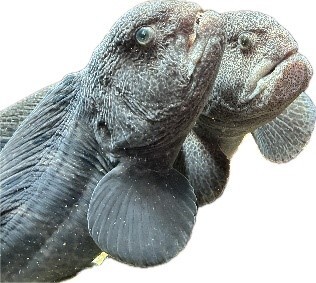
Since arriving at the Padilla Bay NERR in 2016 and 2022, the wolf eels (Anarrhichthys ocellatus) Salt and Pepper have truly thrived in our aquarium. Both came to us as juveniles and grew into impressive adults—nearly six feet long—while dining on a diet of shrimp, fish, worms, and plenty of shore crabs.
When Salt, the male, was first introduced into the rocky shore tank, the two kept to opposite corners. But after a few months, they bonded and paired up, eventually building a shared den. Pepper, the more timid of the two, and Salt both learned to come to the surface for a meal whenever staff prompted them. Known for their large canines and bulbous heads, wolf eels can look intimidating, but divers often describe them as “friendly” and even “itchy.” In the wild, that itchiness stems from their thick mucus layer, and they’re known to interact with divers much like an affectionate dog—swimming alongside them and even enjoying a good chin scratch.
Over the years, staff and visitors alike fell in love with these charismatic fish. Many children learned about the underwater world of the estuary through their encounters with Salt and Pepper. School groups collected shore crabs to feed them, watching their powerful jaws crunch through shells, and on special days, visitors could even catch a glimpse of Salt guarding Pepper and her eggs from other tank residents.
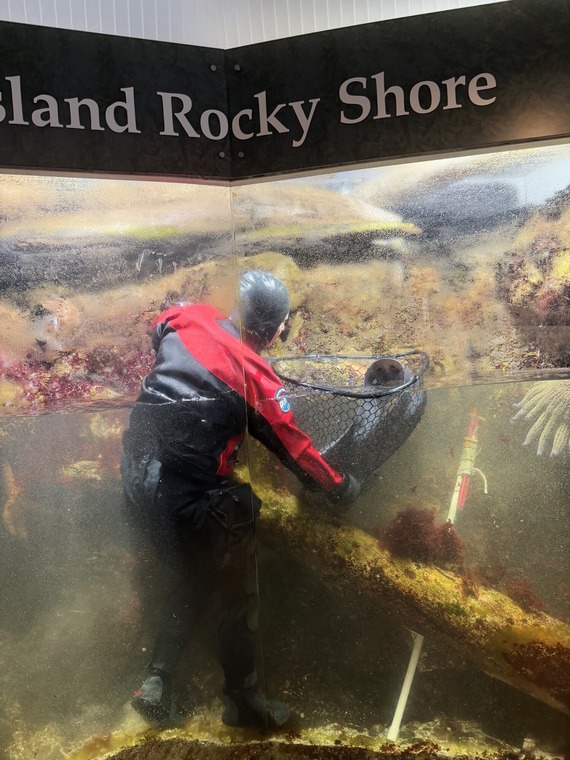
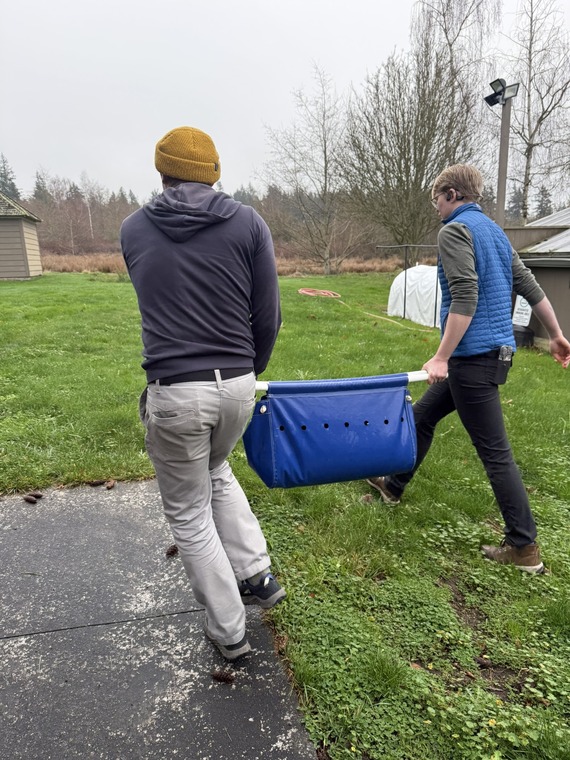
Although we cherished our time with Salt and Pepper, it was clear they were ready for a larger home. In partnership with the Seattle Aquarium, our staff carefully captured each wolf eel and transported them using a specialized sling into a large tote for the truck ride. After arriving at the aquarium, they completed their quarantine and entrance exam—where the veterinarian remarked that they were “the best-looking wolf eels she had ever seen.”
Salt and Pepper are now on display in the Washington Waters tank at the Seattle Aquarium, thriving in their new habitat. We’re delighted that visitors across the region can continue to enjoy their presence and continue learning about the Salish Sea.
Salt Marsh Wildlife
By: Brylee Axelson-Ney
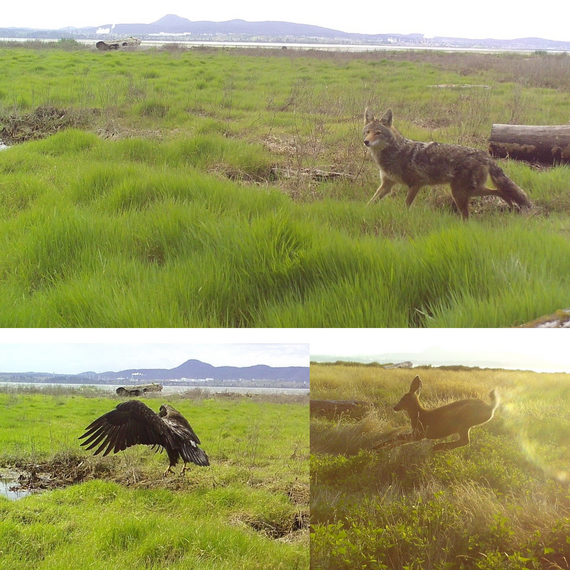
Have you ever wondered how scientists observe the presence of illusive and nocturnal species? Welcome to the wonderful world of camera monitoring! This is a somewhat new, nonintrusive method of surveying wildlife. This involves us finding a location that we suspect would be suitable habitat for wildlife species and attaching a motion activated camera either to a tree or a post. The cameras can stay out and function at these locations for months with little to no maintenance! This makes it a very cost-effective and low effort monitoring option for our staff. The only thing to do is periodically check the battery life and SD card storage, then we simply wait for the animals to walk by the camera. Once the camera has been out for a while we retrieve the SD card, download the photos to our computers and log each species and the number of individuals in each photo.
We currently have two cameras deployed, one at a healthy salt marsh area and the other at an old agricultural field that is in the very early stages of a salt marsh restoration project. The difference between the species seen at the two sites is honestly surprising. You may wonder, why did we pick each of these sites? Well, camera monitoring can be a good baseline for pre-restoration habitat usage and post-restoration habitat usage. Having the comparison between an already established salt marsh and a site that is at the very early levels of pre-restoration level can help us determine where to better focus our restoration efforts on in terms of wildlife habitat.
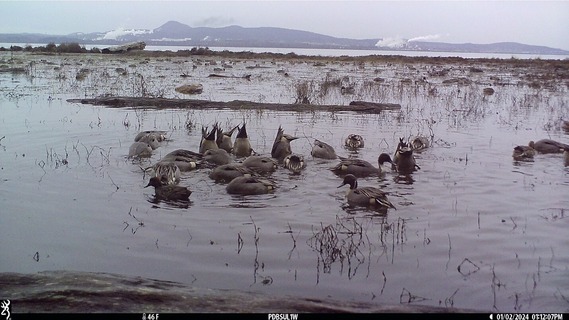
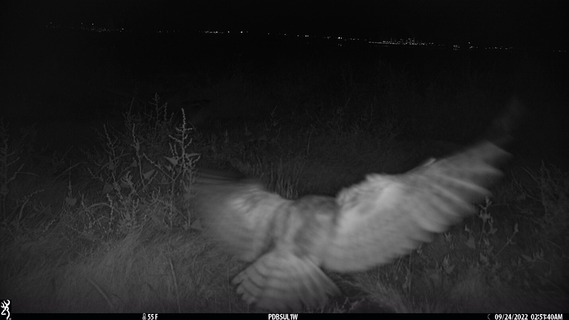
At the agricultural site, we mostly saw birds. We saw a wide variety of birds from great blue herons, red-tail hawks, northern harriers, American kestrels, European starlings, and some unidentified owls. We also had a couple of deer and coyotes passing the camera as well. When we look at the healthy salt marsh camera we see something different. At the salt marsh site, we typically see a wider variety of mammals such as deer, coyotes, raccoons and rabbits. We also see an abundance of birds such as great blue herons, American robins, bald eagles, different swallow species, European starlings, unidentified owls, and a wide variety of waterfowl species. This may be evidence of a more complex habitat being able to support a wider variety of species and maintain a healthier level of biodiversity.
When we look at the salt marsh camera specifically, we can also see variation of what species are present during a particular season of the year. For example, in the summer we see an abundance of American robins and swallows. In the winter, we see a bunch of waterfowl such as mallards, American wigeons, green wing teals, and Northern pintails, along with the bald eagles. But there are resident species whose presence and abundance don’t change as dramatically as the seasons change. These species include great blue herons, European starlings, and owls. For mammals we generally see more deer and rabbits during the spring and summer, and more coyotes and raccoons in the fall and winter.
The use of these camera monitoring methods has allowed us to better understand the composition of the species across different habitat types and complexity, across seasons, and throughout day or night. This is helping us be more informed about what species are present where and when and how our restoration efforts can better support these species and their habitats.
   Programs at the Reserve
 |
|
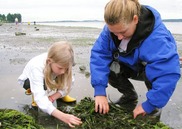
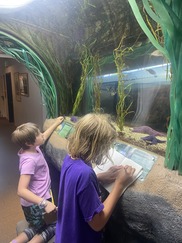
Mini Explorers
3-5 year olds, sharing stories, songs, and activities to learn all about Padilla Bay. Join us for fun, fast-paced programs especially for preschoolers. Click on the topic below to register.
All About Algae: Wednesday April 8th at 2pm and Thursday April 9th at 10am
Life on a Rock: Wednesday June 17th at 10:00am and Thursday June 18th at 1:00pm
|
 |
|
Junior Ecologists
6-9 year olds who have fun learning about the estuary Join us for fun, interactive programs about the Padilla Bay estuary and its amazing plants and animals. Click on the topic below to register.
Sea Monsters: Thursday April 30th and Saturday May 2nd from 10:30am-12:00pm
Estuary Plants: Friday June 26th and Saturday 27th from 10:30am-12:00pm
|
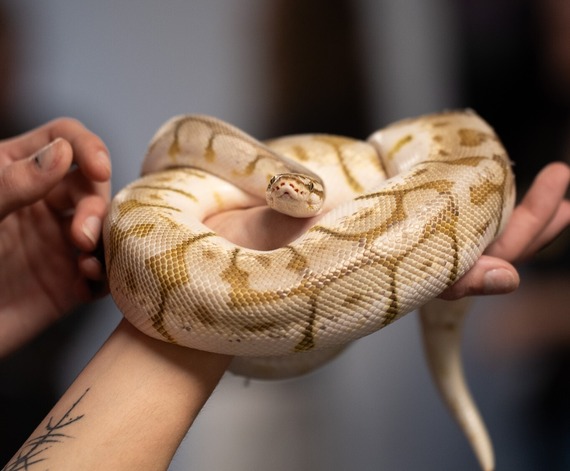
Reptiles Up Close!
Join Peter Geissler and his unusual colleagues as they explore how curiosity can counter fear. Through up-close encounters with some of my favorite snakes, we'll discover what makes each animal remarkable and explore within ourselves what happens when we let curiosity lead us.
April 18th 1:00 pm-2:00pm
Register here
Spring Birding with Libby Mills
The choir of migrants has arrived, and the singing is in full swing. Join Libby Mills for a slow, listening walk on our trail.
May and June, (maybe) alive with singing, mating, nesting and foraging. Dress for cool morning weather. We’ll meet at the Interpretive Center parking lot. This class is offered twice.
May 9th 8:15am-11:15am
June 13th 8:15am-11:15am
Register here
Salmon & Origami!
Come learn all about salmon and channel your new knowledge into folding your own salmon origami!
May 15th 1:00pm-2:30pm
Register Here
Aquarium Tour and Fish Feeding
Come and find out what’s new and exciting in our aquariums!
Join aquarium staff for a close look at our tanks and amazing critters!
April 8th 10:00am
May 23rd 10:15am
June 18th 10:15am
Register Here
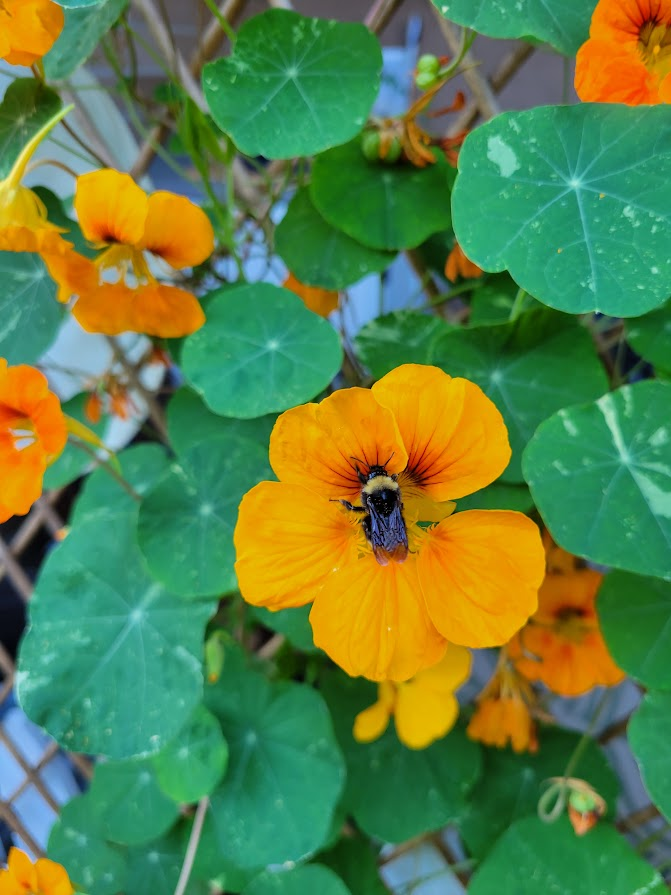
Native Plants and Pollinators Relationships
Join Bob Gillespie to learn all about our local pollinators
In this workshop we will explore the diversity of native plants and pollinators and how they support the health and survival of both (native plants and pollinators) by their interactions.
Saturday, June 20th 10:30am-12:00pm
Register Here
Padilla Bay Foundation
Your Foundation Board wishes you all the very best during the upcoming holiday season. Check out our great selection of books and gifts in the Interpretive Center lobby.
Read all about Padilla Bay Foundation activities
|