|
As we close out 2025, Office of Chehalis Basin staff are reflecting on the progress we’ve made together with our partners and the exciting steps ahead. From expanded flood monitoring technology to completing environmental impact studies, every achievement brings us closer to a safer, healthier Chehalis Basin.
This month’s newsletter marks a major milestone for the Chehalis Basin Strategy: the release of the revised draft Environmental Impact Statement on the proposed Chehalis River flow-through dam and airport levee project, plus a reminder to sign up for Flood Warning System alerts, including new ones that were recently added to the Basin’s gage system.
We look forward to continuing to build a safer, more resilient Basin in the year to come. Thank you to our entire community, including residents and our hardworking partners, for being part of this important work. Your engagement makes all the difference!
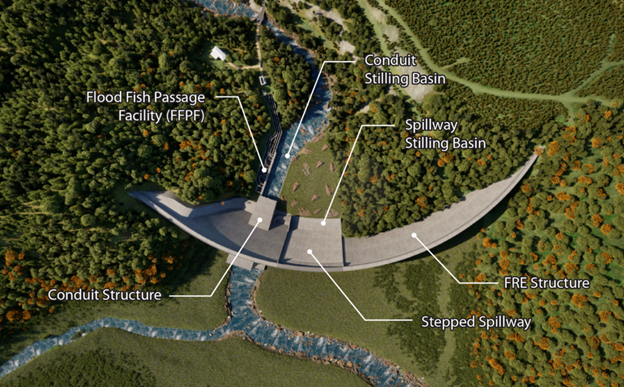
Public comment period open through Feb. 4, 2026: On Nov. 20, the Washington State Department of Ecology (Ecology) released a revised state draft environmental impact statement analyzing a proposal by the Chehalis River Basin Flood Control Zone District (Flood District) to construct a unique flow-through flood-control dam and associated temporary reservoir on the Chehalis River near Pe Ell and make changes to the Chehalis-Centralia Airport levee.
The public is invited to review and comment on the state’s revised draft environmental study through Feb. 4, 2026. Comment can be submitted to Ecology online, by regular mail or during an open house and public hearing in Centralia on Dec. 9, 2025, and Jan. 6, 2026, and a public meeting in Aberdeen on Jan. 13, 2026. Ecology is also holding virtual public hearings on Dec. 11, 2025, and Jan. 8, 2026.
Study not a permit, denial or approval of Flood District project: Completed under the State Environmental Policy Act, the revised draft state environmental assessment is not a permit, nor does it approve or deny the Flood District’s proposal. Instead, it assesses how the project would impact the area, providing critical information for decision-makers, like the Chehalis Basin Board, to consider as they evaluate options for the long-term Chehalis Basin Strategy.
Connection to Chehalis Basin Strategy: The Board is assessing whether the proposed flow-through dam, temporary reservoir and airport levee changes should be incorporated into the long-term Chehalis Basin Strategy to help reduce flood-related damage in the upper part of the Chehalis River Basin. The Board will use the findings in the state environmental review, as well as other information, to inform their recommendations to the Washington Legislature.
The Board is also considering several options for large-scale flood damage reduction, including a proposed system of local levees and floodwalls in and around Centralia and Chehalis, also known as the “Local Actions Non-Dam Alternative”, or LAND. Board members will decide which projects to move forward after their independent analysis is complete in 2026.
Revised study prompted after significant design changes: The Flood District originally proposed its flood damage reduction project with a different design a few years ago. Ecology conducted a draft environmental review of the original design and held a public comment period in 2020. However, in the five years since the first state draft environmental review was released, the Flood District changed the location, design and construction details for its proposal, and resubmitted an updated proposal to Ecology in April 2024. The department determined the changes were significant enough to warrant a revised draft environmental impact statement for the project.
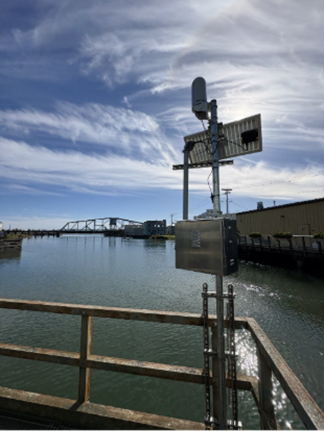 |
The Chehalis River Basin Flood Authority has recently updated the Flood Warning System, with the successful installation and operation of several new gages that are strengthening their ability to monitor and respond to changing conditions across the Chehalis Basin during the flood season. Just south of downtown Chehalis, the Dillenbaugh Stream Gage and Logan Hill Rain Gage are now providing real-time data that enhance our understanding of local rainfall and stream flow patterns.
These tools are critical for improving flood forecasting and ensuring timely alerts for communities in the area. In Bucoda, the new Skookumchuck Stream Gages are delivering equally valuable insights, helping us track water levels and flow rates.
Together, the combined 14 key river gages and 300+ data sensors in the Basin represent our commitment to protecting lives, property, and ecosystems throughout the basin. We invite you to explore the Flood Warning System dashboard at any time – not just during flood alerts – and see the data in action. The more information we have, the more we can all build a stronger, more resilient future together.
If you live in the Chehalis Basin, signing up for the Chehalis River Basin Flood Warning System email alerts is one of the best ways to stay prepared: you’ll get automated email alerts when nearby river gages reach or are forecasted to reach flood stages. Staying informed helps you act early and protect yourself and your property.
To register, visit the Chehalis River Basin Flood Warning System website and select the icon to sign-up for 2025-2026 email high water alerts. Have questions? Contact Peter Regan at pregan@westconsultants.com.
Public Hearings on the Revised Draft Environmental Impact Statement for the Proposed Flow-Through Dam for Flood Control and Airport Levee Improvements | Dec. 9, 2025, 5:30 (in-person), Dec. 11, 6pm (virtual)
The Washington State Department of Ecology invites you to attend public hearings on the Chehalis River Basin SEPA Revised Draft Environmental Impact Statement. The Department of Ecology is provided both in-person and virtual opportunities to learn more about the content of the Draft Environmental Impact Statement and provide public comment. To learn more about how to attend public hearings during the public comment period, see the state environmental review page.
|
Follow us on social media and never miss the latest news, project updates, and coming events:
|
|
|