Spring has sprung, leaves are budding, and flowers are in bloom. Whether you have acres of land or a patio with a few containers, it is time to think about what you’ll be planting and watching grow. This season, give your plants the best start by improving your soil with compost. After all, healthy soil makes healthy plants!
Compost improves soil
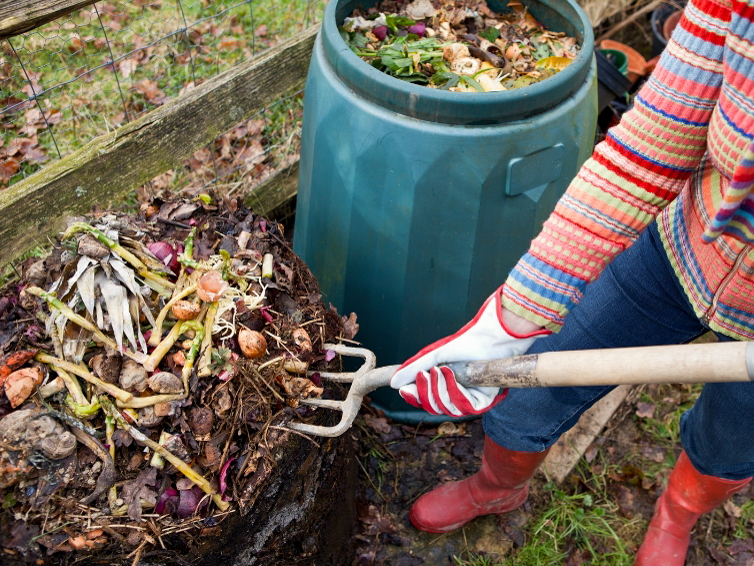
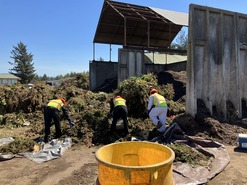
Compost is dark and crumbly, smells like the earth and is loaded with beneficial microorganisms. It is created when organic materials like leaves and food scraps decompose with the help of microbes that need oxygen to thrive. Compost can be made in many places - backyards, community gardens, and industrial compost facilities.
Mixing compost with ordinary soil provides many important benefits, like its ability to hold nutrients and improving plant vigor. Compost also helps conserve water, prevent erosion, reduce greenhouse gas emissions, and grow healthy plants that are more likely to resist disease.
It’s easy to get started building healthy soil for your landscape or garden by first learning what type of soil you have. You can do a simple squeeze or ribbon test to learn your soil’s structure and texture. Adding compost helps sandy soil hold water, an especially helpful quality during drier months. If you have clay soil that does not absorb water very well, adding compost can help water infiltrate the soil.
Compost improves the efficiency of fertilizers by holding them in the soil instead of allowing them to run off with each rain. Compost has some plant nutrients itself. When compost is made with food waste or manure, it typically has more nitrogen than compost made with mostly woody material. If the compost that was made with more wood it can be used as a mulch or soil topping instead of being tilled into soil.
Whether applied on top or mixed in, compost is an investment in healthy soil, plants, and yards.
Purchasing Compost is okay
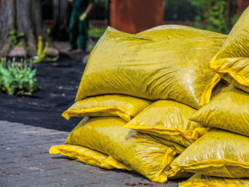
Buying compost is a great option if you need more than you can make. Remember to first consider how much you will need. The User’s Guide to Compost shows how to calculate the quantity of compost needed based on the project.
|