Hello, everyone, and welcome to the August edition of the DDC newsletter.
Last month, Rebecca Hines, Ph.D., commissioner of the Administration on Disabilities within the Administration on Community Living (ACL), and her team visited Seattle to meet with people from across Washington. Disability Rights Washington, one of our Developmental Disabilities Network (DD Network) partners, hosted the meeting in collaboration with the DDC, the University of Washington Institute on Human Development and Disability and Allies in Advocacy.
About 30 developmental disabilities community members attended a roundtable to share their perspectives, concerns and ideas for solutions. The commissioner also met with Washington’s DD Network partners later that afternoon. They discussed how we are collaborating, what we are working on and the barriers we face. It was a great opportunity to share the perspectives of people with developmental disabilities in Washington and highlight programs that help people live in their communities.
One question I imagine some of you are asking is, “What is the DD Network?” Each state has a DD Network, which typically includes three partners: University Centers on Developmental Disabilities (UCEDDs), Developmental Disabilities Councils, and state Protection and Advocacy Systems (P&As). Washington has an additional partner, Allies in Advocacy, an organization run by and for people with developmental disabilities.
Each partner has a unique and complementary role in serving the developmental disabilities community. The network partners coordinate and collaborate on projects and issues that support our community. For example, we are currently working together to improve behavioral health services for people with developmental disabilities.
You can learn more about each Washington developmental disabilities network partner by visiting the impact pages we developed for our meeting with the ACL commissioner:
We hope this information is useful and that you find more resources for our community by checking them out. Please reach out if you’re looking for something specific or need help understanding what our DD Network Partners offer.
Take good care and see you next month.
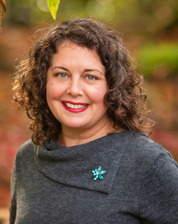
Brandi Monts, WADDC Executive Director
|
Public Policy Corner
So much is happening across the country for the disability community right now, so we are sharing information around a few key topics to raise awareness. Topics include Olmstead and Section 504, changes to federal oversight of special education and vocational rehabilitation, voting by mail and upcoming changes to Apple Health, including work requirements.
We will continue to follow these issues and share updates and helpful resources through our website, newsletter and social media as new information becomes available.
Enjoy the rest of summer!
— Emily Rogers, WADDC Public Policy Director
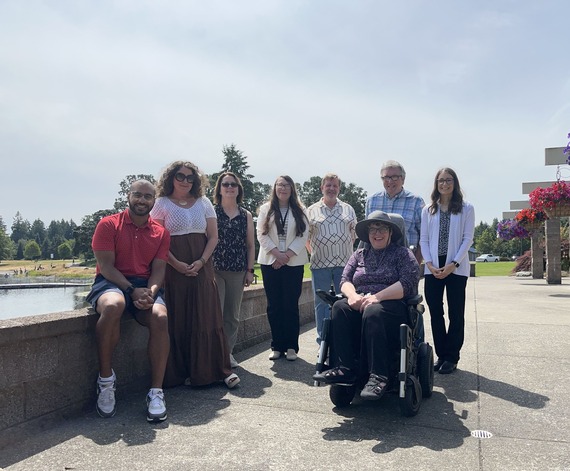 WADDC Staff from left to right: Kevin Vargas, Brandi Monts, Linda West, Tannis Sears, Brian Dahl, Emily Rogers, Phillip Rasmussen, and Christie Chiles.
The Washington State Developmental Disabilities Council is proud to have received the 2026 Team of the Year Award from the Disability Inclusion Network (DIN).
The network, a business resource group for state employees, presented the award during its fifth annual Respect, Acceptance, and Dignity of Persons with Disabilities (RADD) Awards ceremony July 22. The award recognizes teams that demonstrate leadership and work together to advance disability inclusion in the workplace.
Council Member Spotlight: Mark Harniss

Meet Council member Mark Harniss, Ph.D., interim director of the University of Washington Institute on Human Development and Disability. Learn how the institute supports people with intellectual and developmental disabilities through research, training, clinical and community services, and partnerships. Harniss also shares highlights from the University of Washington Employment Program’s 50 years of helping people with disabilities find and succeed in meaningful employment.
|
Upcoming Council Events
Washington State Developmental Disabilities Council's Quarterly Meeting held in October
Washington State Developmental Disabilities Council meetings are held quarterly and are open to the public. During these meetings, Council members receive updates, discuss issues affecting people with developmental disabilities and their families, and make decisions that guide the Council’s work.
Dates & Times:
-
Development Day: Wednesday, Oct. 14, from 9:00 am – 4:00 pm
-
Meeting Day 1: Thursday, Oct. 15, 2026, from 9:00 am – 4:00 pm
-
Meeting Day 2: Friday, Oct. 16, 2026, from 9:00 am – 12:00 pm
Location: Hybrid - In person in Shelton, WA and remote via Zoom
In person: Little Creek Casino Little Creek Casino Resort, 91 West State Route 108, Shelton, WA 98584
Organization Spotlight: Nondrivers Alliance
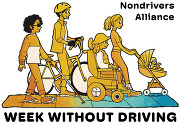
Nondrivers Alliance is a Washington-based grassroots organization working to make transportation more accessible for people who do not drive. The organization centers the experiences of nondrivers and people with disabilities through advocacy, articles, podcasts and community events. It also hosts a monthly disability community meeting and learning space on Zoom with guest speakers from transportation, disability and access organizations.
|
Washington State DD Council: Who we are and what we do
Who we are: The Developmental Disabilities Council (DDC) advocates for better services and supports for people with developmental disabilities and their families in Washington state.
What we do: The DDC advocates for improved services and supports for individuals with developmental disabilities and their families, guided by our core values including self-determination and inclusion. Collaborating with various agencies and organizations, we train leaders, promote better policies, and coordinate efforts towards enhancing the lives of those with developmental disabilities. Our Five-Year State Plan guides our work, ensuring we address critical community needs and uphold specific goals. Through public policy advocacy and active participation in statewide activities, we strive to enact positive change and foster inclusivity for all.
Council membership: Council members are appointed by the governor to serve three-year terms. At least 60% of our members are required to be people with developmental disabilities and family members of people with developmental disabilities. Other members are representatives from state agencies and other organizations we work with. Council membership must reflect the diversity of communities across Washington state. This includes geographic location, disability identity, and racial/ethnic identity. Each year there are openings on the Council, and we are always accepting applications.
|