|
|
A message from Washington State Department of Social and Health Services
 Mother embracing son with disability in wheelchair in park.
What the changes mean for your services and what to expect moving forward
In April 2026, the Washington State Department of Social and Health Services reorganized how developmental disabilities services are structured, bringing them back together under the Developmental Disabilities Administration. This includes Developmental Disability Community Services, State Operated Community Residential services, and Residential Habilitation Centers. This change is intended to keep services aligned under one system and maintain access to federal funding that supports services for people with intellectual and developmental disabilities. Dana Phelps was appointed as Interim Assistant Secretary to lead the Developmental Disabilities Administration during this transition.
For individuals and families, there are no changes to current services. Eligibility, service providers, and case managers all remain the same. People should continue to contact the same staff and providers they have been working with. The reorganization is happening at the system level and does not change how services are delivered day to day.
The reorganization also reflects a focus on improving how the system works over time. This includes making it easier to get connected to services, supporting people to be involved in their communities, increasing options for where and how people live, and expanding access to employment opportunities. There is also a focus on strengthening the network of providers, so they are better able to meet people’s needs. Individuals and families can share questions or feedback by emailing reimagine@dshs.wa.gov or by visiting the Reimagine DSHS Frequently Asked Questions page, which will continue to be updated.
|
|
DDA No Paid Services caseload survey |
|

Keep a look out for a postcard from the Developmental Disabilities Administration! Let your voice be heard!
If you are on the Developmental Disabilities Administration (DDA) No Paid Services (NPS) caseload, you will soon receive a postcard in the mail with a link to a short survey. The NPS caseload includes people who are enrolled in DDA but are not currently receiving any paid services.
What to do
- Look for the postcard in the mail
- Use the link on the postcard to take the survey
Why it matters
Your feedback helps DDA understand what services you may want now or in the future. You can also share if you are not interested in services. DDA will share survey results with the Legislature to help improve services.
If you have questions, please call DDA at: 360-407-1515.
|
|
|
Strengthening inclusive education in Washington |
|
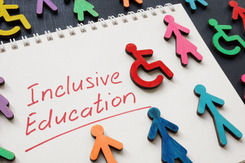
How OSPI’s Inclusionary Practices Technical Assistance Network (IPTN) Supports Inclusive Classrooms Across Washington
Families play an important role in inclusive education. Learn shares how IPTN helps schools and teams work together to support students in general education settings.
The Inclusionary Practices Technical Assistance Network (IPTN) is a statewide effort led by Office of Superintendent of Public Instruction (OSPI) to support more inclusive learning environments for students across Washington. Through this network, schools and districts receive coaching, training, and practical tools to help students with disabilities learn alongside their peers in general education classrooms. IPTN brings together educators, specialists, and community partners to strengthen inclusive practices and build systems that support all students.
IPTN focuses on long-term change by helping school teams use data, improve instruction, and create more welcoming and supportive classrooms. This work is especially important for students who are more often excluded from general education settings, including students with intellectual and developmental disabilities and Black students receiving special education services. By working directly with schools and communities, IPTN helps expand access to inclusive education so more students can learn, connect, and thrive in their local schools.
Visit OSPI’s Inclusionary Practices page for resources, including:
-
Comprehensive Inclusive Education: All members of a student’s educational team, including the student and their family, have a role to play in effective instruction and support in inclusive settings. This guidance helps families and school teams work together to develop a meaningful and inclusive IEP for any student receiving special education services.
-
Extended Myths and Facts About Inclusionary Practices in Washington: This research-based resource busts common myths about inclusion and describes the benefits of inclusive education for all students. Use this resource in conversations with school teams, school and district leadership, and other community members curious about inclusive practices.
-
Inclusionary Practices Technical Assistance Network (IPTN): The IPTN is a state-wide network of providers that supports districts, schools, and families with resources to reduce exclusionary practices. The IPTN’s work focuses on improving practices and outcomes for the students that OSPI’s data show are most excluded from general education settings -- students with intellectual and/or developmental disabilities, and Black students eligible for special education with any disability.
|
|
|
 |
|
SUN Bucks: Summer food benefits for families
Summer is right around the corner, and it’s not too early to apply for SUN Bucks. This program provides $120 per eligible child to help families purchase groceries during the summer. Use the screening tool to check eligibility and learn how to apply.
|

Summer Camp Directories for individuals with disabilities
Looking for summer camps and recreation programs for people with disabilities? These directories and programs include inclusive camps, recreational activities, transition programs and other opportunities across Washington. Families can explore options based on age, interests, support needs and location.
|
|
|
 Washington State DD Council
P.O. Box 48314
Olympia, WA 98504-8314
|
|
 |
|
Informing Families is a project of the Washington State Developmental Disabilities Council |
|
|
|
|