 Washington Dept. of Fish and Wildlife
Washington’s first case of chronic wasting disease (CWD) was confirmed in Spokane County this summer. CWD is a fatal wildlife disease with the potential to impact deer, elk, and moose in Washington. There is no cure for CWD, and it can be spread in the environment and between wildlife through feces, saliva, urine, and other bodily fluids.
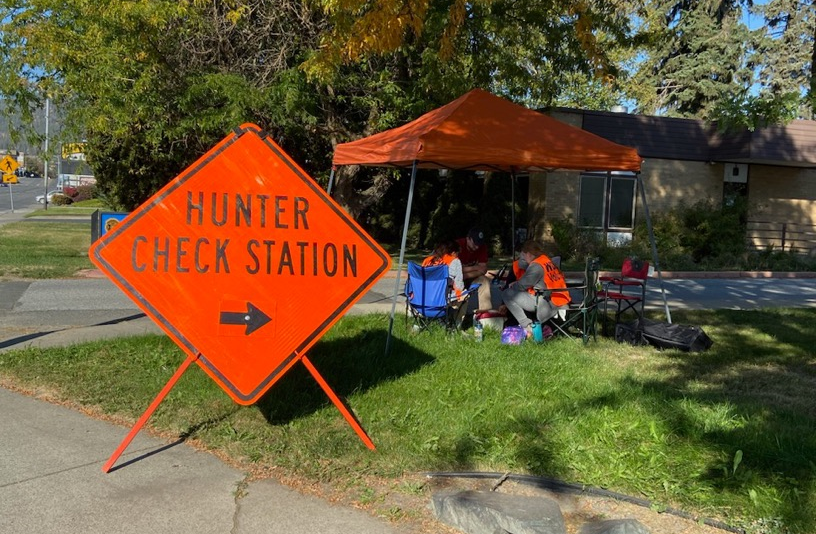
Most animals with CWD do not show symptoms until the end stages of the disease, so it is important to test harvested deer, elk, and moose for CWD to monitor and manage this outbreak.
Hunters can help
We need your help limiting the spread of CWD in Washington. Please pay close attention to the following rules and regulations.
If you harvest or salvage a deer, elk, or moose in GMUs 124, 127, or 130, you are required to submit to WDFW the whole head with at least three inches of neck attached, or extracted lymph nodes, within three days of harvesting or receiving a salvage permit. You cannot transport whole carcasses harvested in 100-series GMUs to other areas, with some exceptions.
There are restrictions on importing deer, elk, moose, or caribou into Washington if they were harvested outside the state. The same restrictions apply when moving deer, elk, or moose harvested in GMUs 124, 127, or 130 to other parts of Washington.
The following items can be imported into Washington, or transported from 100-series GMUs to other places in Washington:
- Meat that has been de-boned where it was harvested. You may only import or transport boned-out meat.
- Skulls and antlers (with velvet removed), antlers attached to the skull plate, or upper canine teeth (bugler, whistlers, ivories) if all soft tissue has been removed
- Hides or capes without heads attached
- Tissue imported for use by a diagnostic or research laboratory
- Finished taxidermy mounts
Please take note of these additional regulations:
- It is illegal to hunt deer, elk, or moose in GMUs 124, 127, or 130 using any type of bait, or with natural or synthetic scents derived from cervid urine or glandular extracts.
- It is illegal to feed wildlife in GMUs 124, 127, or 130 because doing so can congregate deer, elk and other wildlife in one location, increasing the potential for disease spread.
More information
WDFW has prepared additional resources to help hunters and all Washingtonians abide by new regulations addressing CWD. Please refer to our recent web article for everything you need to know about CWD in Washington, and how you can help limit disease spread.
WDFW also has webpages with information available about CWD, including frequently asked questions and how-to information for submitting a harvest for testing. Our website also has details about new regulations implemented in response to the first confirmed case in the state.
|