|
2023 October Weekender Report |
|
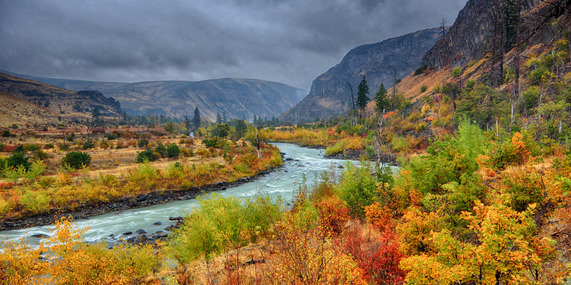
Fall for Washington's colorful canvas:
Autumn adventures abound! |
|
Head outdoors for razor clam digging, wildlife viewing, big game hunting, and more
|
|
October is an exciting time around Washington to embrace the vibrant change of scenery, fish for fall salmon runs, find a local hike, or forage for wild edible foods.
Before daylight wanes further, you can master the art of big game hunting, hook a prize in the statewide trout derby, or simply venture outside for a walk in nature.
Enjoy public lands this fall - Oct. 10 is World Mental Health Day, which means a Discover Pass is not required to park on any land managed by the Department of Natural Resources (DNR), Washington State Parks and Recreation Commission (Parks), or the Washington Department of Fish and Wildlife (WDFW).
Studies worldwide show time spent in nature increases serotonin and decreases cortisol levels, along with many other health benefits.
Events:
-
Details: Oct. 6 – 8, located downtown Port Angeles
Find WDFW at NW Trek’s Hoot ‘n’ Howl fall event! Explore the park at dusk and learn more about bats and their importance to Washington’s ecosystems from agency staff.
Connect with WDFW this October at upcoming events near you! Check out WDFW’s Event Calendar for more details.
Additional outdoor opportunities include:
|
|
 |
|
season takes flight
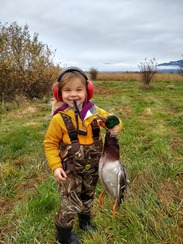
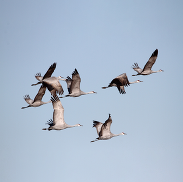
Statewide waterfowl hunting seasons take flight Oct. 14-22 during the early season, followed by the regular season opening daily beginning Oct 22. Be sure to check the migratory waterfowl regulations for detailed rules and bag limits. Tens of millions of ducks and geese use the Pacific Flyway, and Washington is routinely ranked among the best states in the U.S. for waterfowl hunting, with diverse species and opportunities from coastal bays and marshes to farm fields, pothole lakes, and big rivers. Just as diverse are chances to watch migratory birds.
|
 |
|
Razor clams
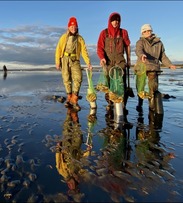
Coastal razor clam digs started on Sept. 29-30, with more on Oct. 1 (Long Beach, Twin Harbors) and Oct. 2 (Long Beach, Twin Harbors, Copalis). Mocrocks remains closed due to high domoic acid levels. Check our website for updates as conditions can change quickly. Upcoming digs on Oct. 14-18 and Oct. 27-31. Details on the WDFW razor clam webpage. Find the 2023-24 Razor Clam Management Plan on WDFW's website.
|
 |
|
River fishing for salmon
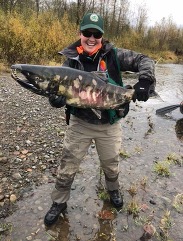
October is prime time for river anglers looking to hook chrome coho. Several areas also remain open for brawny Chinook, and fall chum are also starting to arrive. Be sure to check the regulations, including any emergency rules. Whether you’re casting from the bank, floating in a raft, or powering upstream in a jetboat, there are ample opportunities for river fishing—from the Columbia River and its tributaries to coastal rivers like the Hoh, to the Skagit, Chehalis, and other rivers flowing into Puget Sound, Grays Harbor, and Willapa Bay.
|
 |
|
Big game
Rifle zeroing 101 – dialing in your big game rifle:
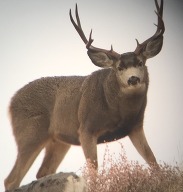
Washington’s statewide general modern firearm deer season begins Oct. 14. A key task in preparing to hunt with a modern rifle is zeroing, or making certain that your scope matches the point of impact of your bullets at a certain distance, or adjusting the sights so you can predict where your bullet will hit at a given distance. If your rifle isn’t zeroed or if you don’t know your zero, then you can’t guarantee that you’ll harvest game cleanly.
|
 |
|
Watchable Wildlife
October means wildlife are in travel status. Animals are returning to or departing from Washington on trips that can be thousands of miles. Welcome returning salmon home by exploring a salmon-viewing site near you. Prefer wildlife viewing from your living room? Watch bird species migrate in real-time with the National Audubon Society’s online interactive migration map.
|
 |
|
Statewide Trout Derby
The annual WDFW Trout Derby continues through Oct. 31. Thousands of tagged trout are stocked in 100+ lakes. Catch a tagged trout and you win a prize!
|
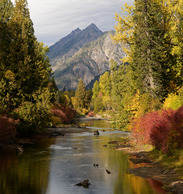
#LifeOutdoorsWA
The outdoors fit into everyone’s life in unique and personal ways. We want to help people connect with nature wherever they are. Check out our Life Outdoors resources to plan your next adventure, whether it be birding in your neighborhood or camping across the state. We hope to see you in the field and on the water enjoying Life Outdoors!
|
|
|
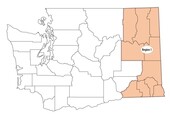 Find out what's happening in Asotin, Columbia, Ferry, Garfield, Lincoln, Pend Oreille, Spokane, Stevens, Walla Walla, and Whitman counties.
|
|
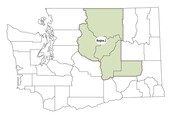
Find out what's happening in Adams, Chelan, Douglas, Grant, and Okanogan counties.
|
|
|
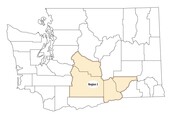
Find out what's happening in Benton, Franklin, Kittitas, and Yakima counties.
|
|
|
|
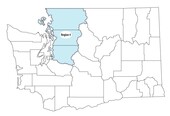
Find out what's happening in Island, King, San Juan, Skagit, Snohomish, and Whatcom counties.
|
|
|
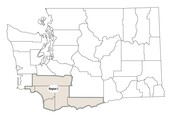
Find out what's happening in Clark, Cowlitz, Klickitat, Lewis, Skamania, and Wahkiakum counties.
|
|
|
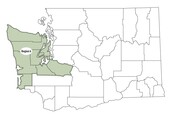
Find out what's happening in Clallam, Grays Harbor, Jefferson, Kitsap, Mason, Pacific, Pierce, and Thurston counties.
|
|
|
Wild Washington
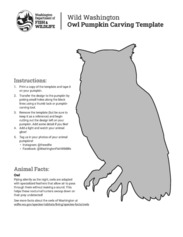
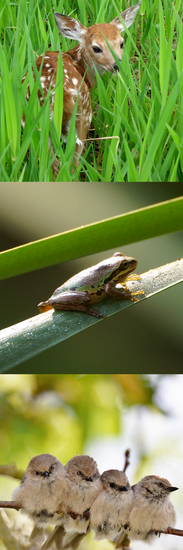
It is officially spooky season, and what better time to feature animals that go bump in the night. From bears, bats, and beavers to moths, moles, and muskrats, many Washington animals are most active after dark. Celebrate these nocturnal creatures by featuring them on your holiday pumpkin! We have created five pumpkin carving templates featuring Washington animals just for you!
Use one of these free templates, or carve your favorite Washington animal, and be sure to tag us in photos of your creation! (Instagram: @thewdfw // Facebook: @WashingtonFishWildlife )
|
 |
|
Habitat at Home
Biodiversity is the full range of life in all its forms. This includes the habitats where life occurs, the ways species and habitats interact with each other, and the physical environment and processes necessary for those interactions.
Washington is experiencing unprecedented biodiversity loss. Human population growth and climate change have been the driving factors for landscape changes affecting biodiversity in Washington.
You can help protect and support fish and wildlife by promoting biodiversity where you live and play.
- When planting, choose native species and try to diversity the plants in each area. Native plants support more wildlife species than non-native plants.
- Insect diversity is at the base of species diversity. Avoid pesticides to protect nature and our waterways. Instead, help create a balanced environment that relies on natural predators of pest insects.
- Create natural spaces that include all layers of vegetation, from groundcover to tree canopy.
- Work to eliminate invasive plant species. Native wildlife species often can’t get what they need from invasive plants, so they are less likely to live in an area dominated by invasive species.
|
|
|
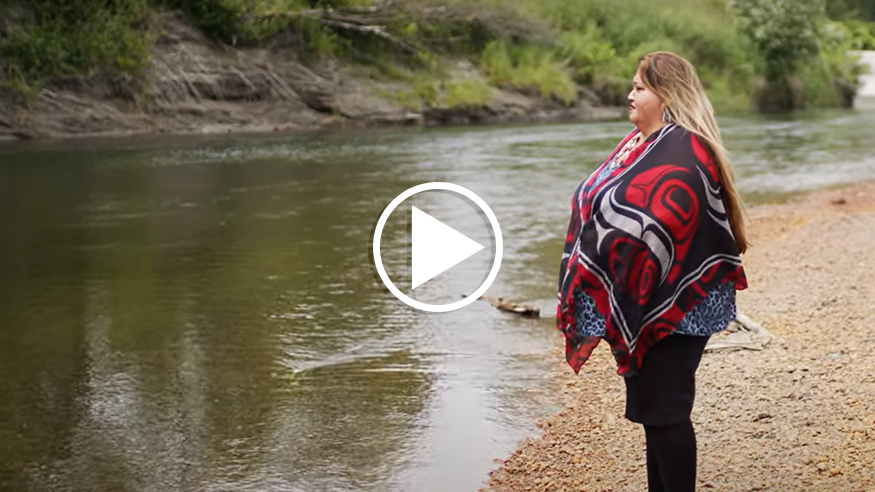
Discover the Stillaguamish River, a relatively small waterway with a major impact on Chinook management across the West Coast. And a top priority for habitat restoration and salmon recovery. Despite the challenges, there's hope for the future! Collaboration is growing to revive this dynamic ecosystem, benefiting local tribes, fishers, communities, farms, and other fish and wildlife enthusiasts.
Watch our new 10-minute film, "Paddling Together," showcasing the efforts of the Washington Department of Fish and Wildlife and the Stillaguamish Tribe of Indians. Learn about our innovative programs to recover Chinook salmon and restore vital river channels, then join the movement at: wdfw.wa.gov/stillaguamish
|
|
|
If you'd enjoy preserving, protecting, and perpetuating the state's fish, wildlife, and ecosystems while providing sustainable fish and wildlife recreational and commercial opportunities, then check out some of our current job openings or sign up for job alerts. From fish hatchery specialists to environmental engineers and human resources consultants to wildlife biologists, a career with WDFW makes a difference.
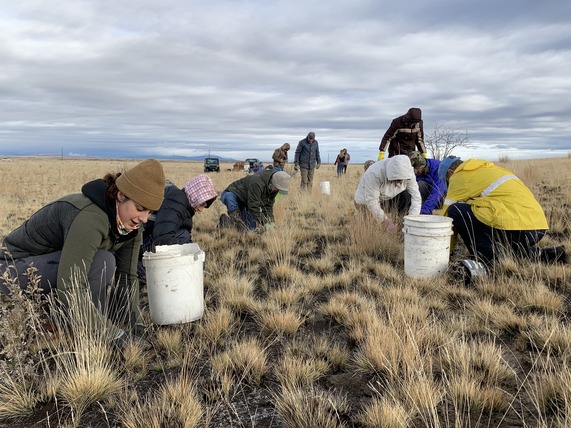
Volunteer opportunity spotlight
WDFW welcomes volunteers of all abilities who want to contribute to conservation of fish, wildlife, and habitat. Diverse volunteer opportunities are available, including projects on state wildlife areas and water access areas, habitat restoration projects, Hunter Education instruction, and assisting at outreach events.
To get started as a volunteer, register at the link below and view upcoming volunteer opportunities around the state. Adding interest groups to your profile allows staff to reach out to you based on your choices.
|
|
|
|
|