|
You are receiving this email because you are registered to drive a state-owned vehicle. Please share with anyone else who can benefit from this information.
Fall driving
Wet weather, slippery leaves, reduced daylight, and increased wildlife activity require extra caution during the fall months. Adjusting speed, maintaining your vehicle, and staying alert are essential for your safety and that of others.
Slippery leaves
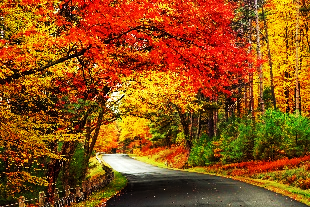
Wet leaves can be as slick as ice, reducing traction and increasing stopping distances, while dry leaves can obscure road markings and hide potholes or curbs. Avoid driving over large piles of leaves, especially where children or animals may be present.
|
Reduced daylight and glare
Shorter days mean more driving in low light, which can impair depth perception, color recognition, and peripheral vision. Glare from low sun angles or oncoming headlights can temporarily blind drivers, so use high beams only when safe.
Wildlife activity
Deer and other animals are more active in fall, particularly during dawn and dusk. Collisions with wildlife are more likely in rural or wooded areas. Be sure to remain vigilant and slow down near animal crossing signs.
Weather conditions
Rain, early morning frost, and black ice can make roads hazardous. Bridges and overpasses freeze faster than other surfaces, and standing water from clogged drains can increase hydroplaning risk.
Vehicle preparation
Check tire pressure and tread depth regularly. Tires with less than 2/32 inch tread are unsafe, and proper inflation improves traction on wet leaves and slick roads.
Keep windshields clean and wipers in good condition to maintain visibility. Remove leaves from vents, radiators, and the area between the hood and windshield to prevent mold, water damage, or mechanical issues.
Safe driving practices
Avoid abrupt braking, acceleration, or sharp turns to prevent skidding on we leaves or icy patches.
Questions?
DES Fleet Customer Account Representatives
360-664-9210 | mpmail@des.wa.gov
|