|
Order your Pinwheels for Prevention! The Department of Children, Youth & Families (DCYF) is observing April 2022 as Child Abuse Prevention (CAP) month by raising awareness in communities about child abuse and neglect prevention. As the Prevent Child Abuse Washington State Chapter we encourage you to join the Pinwheels for Prevention initiative. This initiative uses pinwheels – a timeless symbol for childhood – to represent its campaign. Please place your order for pinwheels using the form found here. Pinwheels are available on a first come, first serve basis. Bulletin board kits and seed packets are also available free of charge, indicate interest in the order form.
Links to our online Box folder, as well as all project documents, can be found in the SFL Onboarding Packet.
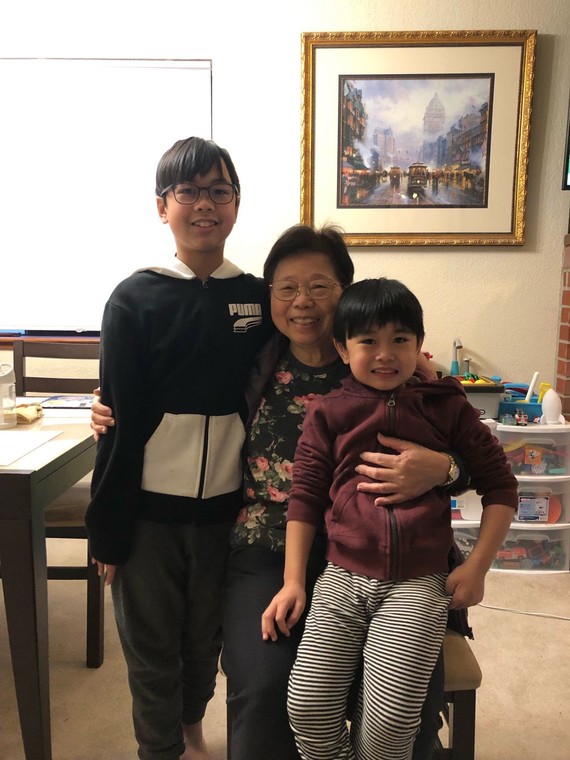
Caregiving grandma champions culturally responsive programs for kids
We’re sharing stories of Unsung Heroes, in celebration of Parent Leadership. See more stories on DCYF’s Facebook page. This week’s quote is about Sandy Fung of Seattle:
“As a primary caregiver to two young grandsons, one in preschool and one at school, Sandy takes care of her grandchildren while her son and daughter-in-law, both essential workers, go to work. At the start of the pandemic, Sandy, an essential grocery worker herself, was doing shift work in the evenings while taking care of her grandsons during the day, as well as preparing meals for the family. Sandy is also the primary caregiver to her husband. Recently, she left her grocery job so she could pick up and drop off her grandson at school.”– Nominator, Chinese Education and Service Center
Share a story about a parent hero that you know!
Flyer | FAQ for Collecting Stories
Use a QR code with your post to increase engagement:
Check out the DCYF Tribal Relations Newsletter for huge list of resources to support tribal children and families!
New DCYF positions open:
Check here for opportunities specific to our SFL communities. Send more opportunities to joy.lile@dcyf.wa.gov.
-
Spokane: The Spokane Regional Domestic Violence Coalition is hosting 3 “mini events” and a silent auction as part of their annual fundraiser, the Gatsby Galas on March 11, 12, and 13.
-
Ferry/Stevens: Northeast Tri-County Health has two offerings for parents and providers in Ferry, Stevens, and Pend Oreille counties:
Connect (Events)
-
New 3/18: Rethinking the Social Safety Net, Guaranteed Income and Racial Equity from ABT associates. “Curious about Guaranteed Income (GI)? In the last few years, more and more communities have been implementing GI strategies. So what is GI? Who is GI intended to support? How does GI address racial inequities? Is it working?” (4/6)
-
New 3/18: Share Our Voices, Hear Our Stories: This webinar series is intended for Native parents, families, elders, and students as an opportunity to connect with one another, hear from respected leaders and elders, and inform the direction of Native Education in our state and region. (4/6) Register here.
-
Mental Health Assessment for Young Children: The Apple Health DC:0-5 training. Washington Healthcare Authority is supporting age-appropriate assessments to provide effective mental health supports for children and families from birth through age 5. Overviews and 2-day trainings available between March 14 and May 18.
-
Building a National Movement to Prevent Trauma and Foster Resilience. An 8-week workshop series. (runs through 4/15)
- Race Forward’s Building Racial Equity series is a collection of interactive trainings for those who wish to sharpen their skills and strategies to address structural racism and advance racial equity. Unlike “diversity trainings” which primarily focus on interpersonal relations and understanding, the Building Racial Equity trainings emphasize how to challenge and change institutional racial inequities. (through 6/7, paid opportunity)
- The 2022 Northwest Rural Health Conference has in-person (Spokane) and virtual opportunities to connect and learn about workforce development, mental health providers, federal policy, and other topics relating to rural health in our communities. (Spokane and virtual, 3/21-23)
-
Washington Fatherhood Council Fatherhood Summit. “Strengthening Fathers, Families, and Washington.” Presentations, forums and panels scheduled with leadership from Washington state agencies, experts in the education field, and advocates for fathers everywhere. (5/24)
- The Washington Association for Infant Mental Health presents Diverse Perspectives: A Speaker Series contributing to the community-wide discussion on diversity, equity, and inclusion in infant mental health and early childhood mental health. “A free series where these exceptional practitioners share their knowledge and expertise with the infant and early childhood community.” 3/17: Healing and Building Relationships through Digital Storytelling. Including a presentation from Stephanie Courtney, a Spokane partner. (Through 6/28)
-
Dads Connect from the Interagency Fatherhood Council. Come join us to add your voice, meet other dads, form relationships and make connections. Sessions held every other month through August.
-
2022 Substance use disorder family navigator training schedule from Washington State Community Connectors and the Healthcare Authority. “This full 16-hour training is led by family members with lived experience for parents, caregivers, and/or family members who are interested in learning how to support their loved ones with substance use disorder. These trainings are also open to our system partners who have lived experience or want to learn more about the content the families they serve are learning.” Training schedule: 3/14-3/17, 4/4-4/7, 5/9-5/12, 6/6-6/9.
-
Child Welfare and Early Childhood: Cross-Systems Collaboration to Improve Outcomes for Young Children and Their Families Series: Prevention. “Presenters will discuss how Plans of Safe Care protect infants affected by prenatal substance exposure. Examples of state and county community and family empowerment approaches to prevention will be discussed.” National workshop including a presentation from DCYF staff, Sarah Holdener. (3/16)
- Upcoming Webinars from the National Family Support Network: An Overview of the Standards of Quality for Family Strengthening and Support – with Kentucky Implementation (3/9) and Developing Family Resource Center Networks: Where Do We Start? (3/16)
-
Dad Allies: Provider Learning Series from Washington Fathers Connect. The Dad Allies Initiative established a series of responsive community, provider, and dad focused events to build Washington state’s father-friendly capacity to support dads to become the fathers their children and families need them to be. These knowledge- and skill-building sessions with state and national presenters are held to strengthen our provider network to effectively engage and support fathers and father-figures. March 22: Provider Learning Series: Queer Dads, Myths and Realities. April 14: Co-Parenting. June 9: Tribal Fathers
-
Achieving Equity and Quality: 11 Simple Rules to Build Thriving Communities, by Judy Jablon and Nichole Parks, sponsored by Leading for Children. “All children deserve the opportunity to thrive! For this to happen, every adult must embrace the critical role they play in ensuring that children grow and develop in communities where they feel safe and secure.” (4/7)
- Early Childhood Investigations Webinars presents Barefoot Books: Step Inside a Story. This webinar that tackles questions of representation and advocacy for racial justice in children’s books and provides you with practical tools for fostering children’s positive identity development and their understanding of others. (4/17)
- Washington State Coalition Against Domestic Violence presents Bite-Sized Prevention. “Focused on root causes, shifting culture, building skills, and promoting thriving communities – what it takes to prevent domestic and sexual violence in your community.” Upcoming dates: May 3rd
-
Empower: United in Prevention, the 2022 Spring Youth Forum from the Washington State Healthcare Authority. “The goal of the Spring Youth Forum is to recognize and reward youth prevention teams that have implemented a successful prevention project within their communities.” (May 17, virtual)
- Call for proposals: A Call to Action to Change Child Welfare. The Kempe Center is hosting this international community of practice with an expected 3000 participants from 20 countries gathered to debate, innovate, and discuss ways to transform child welfare and to re-imagine healthy, restorative, and healing ways of working with children and families. This eco-friendly event will showcase 60 hours of concurrent learning opportunities over 4 days. Accepting proposals through 6/10, event is 10/3-6.
Learn (Educational Resources)
Innovate (News and New Insights)
- The Title IV-E Prevention and Services Clearinghouse has added new ratings for programs and services that are research-supported to provide enhanced support to children and families and prevent foster care placement. New well-supported programs include Generation PMTO, Intercept, and Mindfulness-Based Cognitive Therapy.
Grow (Funding and Resources)
-
Perinatal Mental Health Funding Opportunity: Strengthening Families Washington at the Department of Children, Youth, and Families (DCYF), in collaboration with Perinatal Support Washington (PS-WA), is pleased to announce that funding is available for perinatal mental health community capacity building. The Perinatal Mental Health Funding Opportunity supports collaboration, resources, and community-wide awareness for the mental health of pregnant women and new parents. Awards include $20,000 for activities plus $2,000 for concrete goods to support families. We invite Requests for Application (RFAs) from Washington State organizations interested in collaborative efforts to increase community-wide awareness and develop resources to support perinatal mental health. Information available on the Strengthening Families Website; Webinar March 14; due April 12
-
Community-Based Child Abuse Prevention Funding Application: Strengthening Families Washington and DCYF is pleased to announce that funding is available to support programs that offer community-based and strengths-based family strengthening and child abuse and neglect prevention. Priority will be given to organizations service communities and populations with historically higher rates of child welfare involvement. Awards include $40,000 for activities plus $6,000 for concrete goods. Information available on the Strengthening Families Website; Informational webinar March 24, Letter of Intent due March 15, application due April 22.
-
New 3/18: Services Grant Program for Residential Treatment for Pregnant and Postpartum Women(SAMHSA): The purpose of this grant program is to provide comprehensive substance use disorder (SUD) treatment services, recovery support services, and harm reduction interventions to pregnant and postpartum women across a continuum of specialty SUD residential and outpatient levels of care, based on comprehensive, individualized screenings and assessments that inform treatment planning and service delivery in a continuous care model. Application due date is April 4, 2022. Find eligibility.
-
Competitive Application for Homeless Diversion Program. The Washington State Department of Commerce is making an estimated $1,280,000 available to organizations to fund the Homeless Diversion Program in the State of Washington to: Provide diversion services to families and individuals facing a housing crisis; Prioritize service to Black, Indigenous and People of Color (BIPOC) populations across the state, which are disproportionately impacted by homelessness; Expand the capacity of Diversion services to communities and populations traditionally underserved and disproportionately impacted by homelessness; Provide diversion services to reduce in-flow to the homeless crisis response system, including reducing waitlist placements. (Due 3/25)
-
SAMHSA grants for targeted capacity expansion: The Substance Abuse and Mental Health Services Administration announced grant opportunities to support harm reduction, treatment, and recovery services targeting under-resourced populations affected by substance use disorder or co-occurring disorder. Applicants will be required to identify the specific need or population that they want to support through evidence-based and population appropriate services. Diversity, Equity, and inclusion must be integrated in the provision of services and activities throughout the project. SAMHSA may issue 22 awards of up to $375,000 per year for up to 3 years. (Due 4/4)
-
Notice of Funding Opportunity for Tribal Home Visiting: The Administration for Children and Families (ACF) is now soliciting applications for the Fiscal Year 2022 Tribal Maternal, Infant, and Early Childhood Home Visiting Grant Program: Development and Implementation Grants. This funding is intended for tribal entities that do not have prior experience with implementing evidence-based home visiting models, performance measurement systems, and continuous quality improvement (CQI) activities. See the bulletin from the Children’s Bureau here | See the notice of funding here (due 4/15)
-
Rigorous Evaluation of Community-Level Substance Use and Overdose Prevention Frameworks that Incorporate ACEs-Related Prevention. The Centers for Disease Control and Prevention (CDC) National Center for Injury Prevention and Control (NCIPC) is soliciting investigator-initiated research to conduct rigorous evaluation (including both a process and outcome evaluation) of prevention approaches implemented within communities that incorporate efforts to mitigate the harms of adverse childhood experiences (ACEs) and prevent future ACEs, while simultaneously aiming to prevent substance use and overdose. View in grants.gov (due 4/17)
-
Catalyst for Infant Health Equity from the US Department of Health and Human Services. The goals of the new Catalyst for Infant Health Equity program are twofold: 1) to continue reducing overall infant mortality (IM) rates in the United States, and 2) to decrease and ultimately eliminate disparities in IM across racial/ethnic groups by achieving steeper declines for groups with the highest rates. To accomplish these goals, award recipients are expected to address the broader social and structural determinants (or root causes) contributing to IM disparities at the county or jurisdiction1 level. For example, recipients will support implementation of existing action plans that address public policies, systemic racism and discrimination, and/or institutional practices. To maximize impact on disparities in infant mortality rates at the national level, counties/jurisdictions with larger numbers of excess infant deaths will be considered priority areas. See the opportunity on Grants.gov (due 4/19)
-
HHS Announces Availability of $13 Million to Increase Behavioral Health Care Access in Rural Communities: Read the bulletin here. HRSA’s Federal Office of Rural Health Policy will make awards through the Rural Communities Opioid Response Program (RCORP) - Behavioral Health Care Support. Eligible applicants include entities such as Rural Health Clinics, federally recognized tribes, tribal organizations, and community- and faith-based organizations. (due 4/19)
If you have suggestions for what to include in this newsletter, email Joy Lile.
|
|
 |
|