|

A new school year means new schedules, new responsibilities, and a busy transition for children and caregivers. Establishing healthy routines can help children feel prepared to learn, grow, and thrive throughout the school year.
Start the school year with healthy habits:
-
Prioritize sleep - Consistent bedtimes and wake-up times can help children get the rest they need.
-
Make nutrition part of the routine - Breakfast, nutritious snacks, and regular meals can help children maintain energy throughout the school day. Choosing a variety of fruits, vegetables, whole grains, and other nutritious foods can also support a healthy heart.
-
Make time to move - Physical activity can include simple activities like walking, playing outside, dancing, biking, and active family time. Regular movement helps support a healthy heart and overall well-being.
-
Practice everyday hygiene - Handwashing, covering coughs and sneezes, and staying home when sick can help reduce the spread of illness at school and in the community.
-
Check immunizations - The start of the school year is a good opportunity to review your child's immunization record and make sure recommended vaccines are up to date. PWHD offers immunization services by appointment at its Manassas and Woodbridge clinics.
-
Check in on emotional well-being - Returning to school can bring excitement, but it can also bring anxiety or stress. Make time to ask children how they are feeling and remind them that asking for help is a strength.
Need support?
PWHD's community resource page provides connections to health, family, food, housing, and other local services. Residents can also contact 211 Virginia for help finding community resources. Ways to contact:
-
Call: Dial 211
-
Live Chat: https://211virginia.org/
-
Email Intake Form: https://tinyurl.com/msh8kst5
-
Text: CONNECT to 247211
As fall arrives, take a moment to check in on your mental well-being. Changes in daylight, weather, and the season can affect mood and energy levels. Paying attention to how you’re feeling and making time for rest, connection, and activities that support your well-being can help you feel your best throughout the season.
Small steps can make a difference:
-
Take a break - Step away for a few minutes to reset.
-
Keep a routine - Prioritize consistent sleep, meals, movement, and downtime.
-
Stay connected - Reach out to friends, family, or a support network.
-
Move your body - Take a walk, stretch, or do an activity you enjoy.
-
Know when to reach out - If stress begins affecting daily life, consider connecting with a mental health professional or community resource.
Mental wellness is for everyone. Taking care of your mental health is part of taking care of your overall health.
If you or someone you know is experiencing a mental health or substance use crisis, suicidal thoughts, or emotional distress, CALL or TEXT 988 to connect with the National Suicide & Crisis Lifeline.
For individuals who are Deaf, hard of hearing, or experiencing hearing loss, the 988 Suicide & Crisis Lifeline provides information about accessing crisis support. Learn more about available 988 services and resources: https://988lifeline.org/deaf-hard-of-hearing-hearing-loss/
Support is free, confidential, and available 24/7.
|
|
|
Fall is here, but Virginia can still experience warm temperatures, changing air quality, storms, and seasonal allergies. A few simple precautions can help keep you and your household healthy and prepared.
-
Stay Cool & Hydrated: Warm days can still occur in early fall. Drink plenty of water and take breaks from the heat.
-
Check Air Quality: Monitor local air-quality conditions, especially during wildfire smoke events, and limit outdoor activity when air quality is poor.
-
Manage Seasonal Allergies: Check pollen levels, reduce exposure when possible, and talk with a health care provider or pharmacist about managing symptoms.
-
Be Prepared: Keep an emergency kit stocked with water, food, medications, first-aid supplies, flashlights, chargers, and other household essentials.
Be prepared. Stay informed. Stay safe.
|
|
|
Eating well should not have to mean spending more money - and access to nutritious food looks different for every household. Whether you are stretching a grocery budget, looking for culturally familiar foods, or trying to find food assistance, local resources are available.
Know your options:
1. Women, Infants, and Children (WIC)
The Prince William Health District Women, Infants, and Children (WIC) program provides nutrition education and food benefits to eligible women, infants, and children. PWHD has WIC offices in Woodbridge and Manassas.
2. Food assistance
Residents who need food assistance can contact the Community Feeding Taskforce at 703-794-4668, Monday or Wednesday from 10 a.m. to 3 p.m. The free, bilingual helpline is available to everyone, with no income qualifications required.
Senior residents automatically qualify for home food delivery, provided through two local nonprofit organizations. While personal shopping trips are not available, the nonprofits assemble food packages and can accommodate special dietary needs.
|
|
|
Worried about the cost of health care or don't have insurance? Affordable options are available throughout Greater Prince William.
The Low-Cost Clinics in Greater Prince William Resource Guide includes medical and dental services available to uninsured residents, including free and low-cost care options. The guide can help residents find services for:
- Primary and preventive care
- Dental services
- Immunizations and screenings
- Family and reproductive health
- Care for children and families
- Services for individuals with specific health needs
Not sure where to start? The guide below includes contact information, locations, hours, and eligibility details to help you identify a service that fits your needs.
|
|
|
HIV prevention and care are important at every age.
Understanding how HIV affects older adults and people throughout the lifespan can help promote early detection, access to care, and healthy aging.
Local HIV Services
Prince William Health District offers confidential HIV testing, counseling, education, and STI services at its Manassas and Woodbridge clinics at low to no cost.
PWHD also participates in Virginia's FREE HIV Self-Testing Program, providing eligible Virginia and Maryland residents with an HIV self-test kit.
📍 Manassas Clinic: 703-792-6300
📍 Woodbridge Clinic: 703-792-7300
Know your status. Get tested today.
|
|
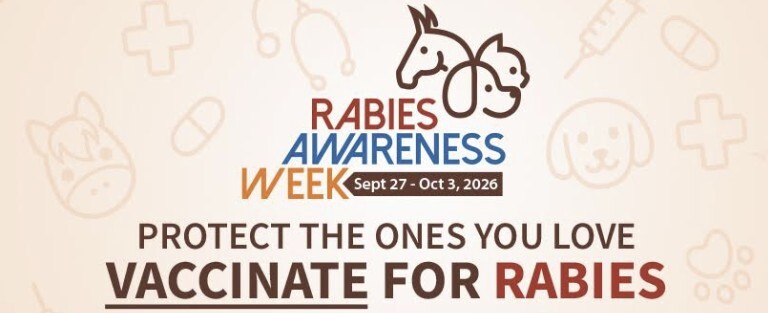
Rabies is a serious but preventable viral disease that can spread to people through the bite or scratch of an infected animal. Knowing how to prevent exposure and what to do if an exposure occurs can help protect you, your family, and your pets.
Protect yourself and your pets:
-
Vaccinate pets: Keep dogs and cats up-to-date on their rabies vaccinations.
-
Supervise pets: Keep pets on your property and prevent them from roaming freely
-
Avoid contact with wildlife: Stay away from wild animals and never attempt to feed or touch them, even if they seem friendly.
-
Be cautious of stray or unfamiliar animals: Do not approach or try to pet stray or wild animals, even if they seem friendly.
-
Report unusual animal behavior: If you see an animal behaving strange, such as aggression or unusual tameness, report it to local animal control authorities.
-
Secure garbage and pet food: Keep garbage and pet food secured and close openings that could allow wildlife to enter your home.
-
Consider pre-exposure vaccination: If you work with animals or travel to areas with a high risk of rabies, consider pre-exposure vaccination, which can provide some protection and simplify post-exposure treatment.
If you are bitten, scratched, or exposed:
-
Wash the wound immediately with soap and running water for at least 15 minutes.
-
Seek medical attention as soon as possible. Contact your doctor or local health department immediately after a potential rabies exposure.
-
Report the exposure to the Prince William Health District. Prompt reporting allows public health officials to assess the situation and determine appropriate next steps, including whether the animal should be observed or tested.
-
Post-exposure vaccination: If indicated, receive a series of rabies vaccines and, if necessary, rabies immunoglobulin (RIG) or monoclonal antibodies.
When reporting an exposure, be prepared to provide the date and location of the incident, the type of animal involved, a description of the animal, what happened, and whether the animal is available for observation or testing.
Visit the Prince William Health District website to learn more about our programs and services.
Community Events | Join Our Team | Contact Info
   
Virginia Department of Health Call Center
1-877-VAX-IN-VA | 1-877-829-4682 | Mon-Fri 8am-5pm
Manage Preferences | Unsubscribe | Subscriber Help
|
|
|
|
|