|
It's Stroke Awareness Month!
May is National Stroke Awareness Month! Here are some ideas of how you can learn about stroke and take action.
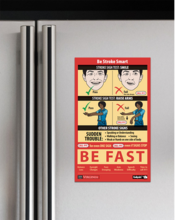
Learn more about the American Stroke Association’s campaign to promote the B.E.F.A.S.T. acronym. It stands for: Balance, Eyes, Face, Arms, Speech, and Time. This acronym emphasizes the key stroke signs and symptoms and encourages people to call 9-1-1 if any of the symptoms are present, even if they go away.
Take action to promote Stroke awareness through the Stroke Smart Virginia initiative:
|
|
Focus on Data for the
Eastern Region of Virginia
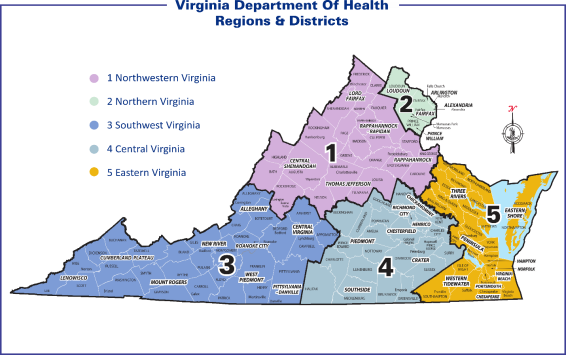
This year, each newsletter will highlight stroke data for a region of the state. The map shows the five regions and their health districts. The Eastern Region is the focus area for this newsletter.
Figure 1. Regions and Health Districts in Virginia
 Rates are used to understand the impact of stroke across the state. The rates are age-adjusted, which allows for accurate comparison across groups. Age-adjusted rates are available at the state, region, and locality level by age, sex, and race. Rates are calculated for every 100,000 people. A rate of 100 per 100,000 means that the event happens to 100 out of 100,000 people or 0.1% of people.
Figure 2. Stroke hospitalization rates for White and Black or African American racial groups are higher for those in the Eastern Region compared to Virginia
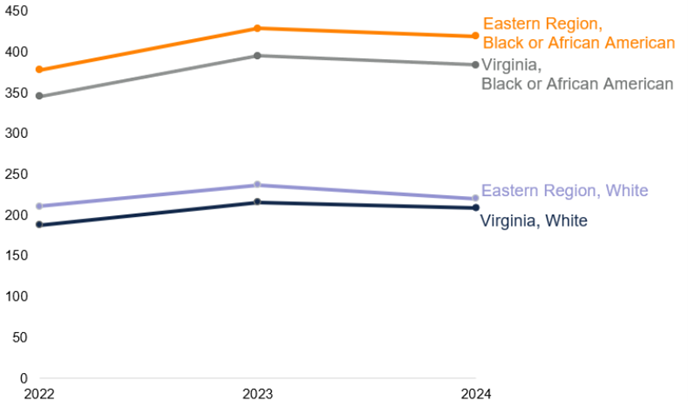 Overall, age-adjusted stroke hospitalization rates have increased from 2022 to 2024. These rates are higher in the Eastern Region (273.7 per 100,000 people) compared to Virginia (237.9 per 100,000 people).
As you can see in Figure 2, Black or African Americans in the Eastern Region (419.0 per 100,000 people) have higher stroke hospitalization rates than Black or African Americans in Virginia (383.7 per 100,000 people). The rate is also higher in the White population in the Eastern Region (220.1 per 100,000 people) than in Virginia overall (208.5 per 100,000 people).
Figure 3. Rates for males and females in the Eastern Region compared to the state
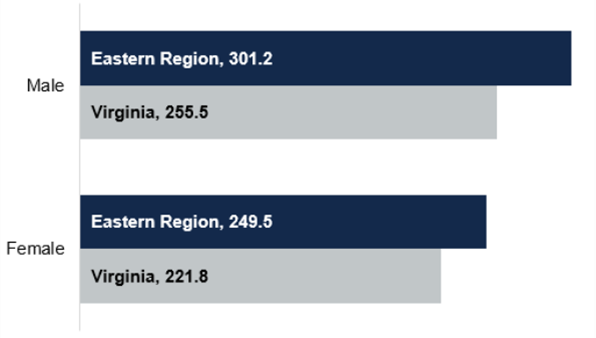 Overall, males have the highest age-adjusted stroke hospitalization rates in both the Eastern Region (301.2 per 100,000 people) and in Virginia (255.5 per 100,000 people) compared to females. Females in the Eastern Region (249.5 per 100,000 people) have higher age-adjusted stroke hospitalization rates than females in Virginia (221.8 per 100,000). See Figure 3.
Black or African Americans in the Eastern Region (419.0 per 100,000 people) have higher stroke hospitalization rates than Black or African Americans in Virginia (383.7 per 100,000 people).
Since 2022, all age groups 45 years and over in Norfolk City (53.1 per 100,000 people) and Portsmouth (70.0 per 100,000 people) have stroke hospitalization rates greater than Virginians ages 65 to 74 years (52.1 per 100,000 people). This highlights the need for stroke education in these areas and the entire Eastern Region.
Are you interested in this or other stroke data? Use this form to submit your request.
|
|
Spreading Stroke Smart Education
in Eastern Virginia
VDH has a CDC grant to promote heart health and reduce stroke risk in certain communities, including Newport News, Norfolk and Portsmouth. Hamilton Peoples is the VDH Cardiovascular Regional Coordinator in the Eastern Region. Since 2024, he has led activities such as developing a learning collaborative in each city, hiring Community Health Workers to connect people at risk with resources, and helping organizations host heart-health events. This article highlights several Eastern Region activities focused on stroke awareness.
|
|
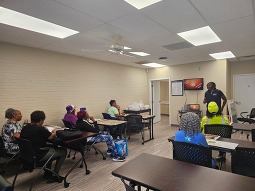 Hamilton Peoples (VDH) Trains Community Members to be Stroke Smart Champions
|
Stroke Smart Champions in Portsmouth
In September 2025, Hamilton partnered with the Bon Secours Community Clinic Passport to Health program in Portsmouth to do a Stroke Smart Champion workshop. Ten seniors from the Portsmouth Redevelopment Housing Authority participated. They received certificates and 25 Stroke Smart yard signs to place throughout the Portsmouth community.
|
|
Placing Yard Signs Throughout Norfolk
|
|
|
Robert Williams is a community member, Norfolk Healthy Hearts Learning Collaborative member and Stroke Smart champion. He has also been leading an effort to put Stroke Smart education in prominent areas in Norfolk. He placed Stroke Smart yard signs in convenience stores, schools and close to Norfolk Redevelopment Housing senior facilities.
Robert is also the founder of We Got Us 2. It’s a movement in Norfolk to strengthen health equity, food access, and collective action. Robert planned the Food for Thought 2025 summit and has been working to establish a community kitchen and improve population health from the ground up.
|
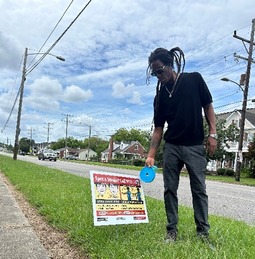 Robert Williams (Community Member) Placing Stroke Smart Yard Signs Throughout Neighborhoods in Norfolk
|
|
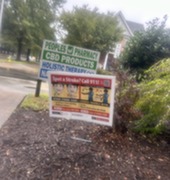 Peoples Pharmacy Placed a Stroke Smart Yard Sign in a High-Visibility Pedestrian Area in Norfolk
|
Peoples Pharmacy Gives Out Magnets
In Norfolk, Peoples Pharmacy is a partner of the Norfolk Healthy Hearts Learning Collaborative. They distribute 10-15 wallet cards or magnets daily. This adds to 50 or more per week – many of which are in Spanish.
This effort helps more people in the community to be aware of stroke signs and symptoms and know the importance of calling 9-1-1.
Are you interested in making these types of changes in your community? Visit Stroke Smart Virginia to access Stroke Smart materials and strategies!
|
|
Dana Rizzo, RN, is Passionate
About Stroke Education
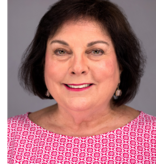
Dana Rizzo is a registered nurse who is enthusiastic about senior living and healthcare. She loves teaching and has noticed critical gaps in stroke knowledge. She is a business manager and nurse educator for an assisted living facility and a strong advocate for the Stroke Smart initiative. Her mission is to create a "unified front" in stroke education by ensuring everyone receives this life-saving education.
She is based in Northern Virginia, but she teaches nationwide. She partners with Wayne State University in Michigan to offer Continuing Education programs that integrate Stroke Smart messages into other health topics like blood pressure and brain health. Over the past two years, 2,000 of her students received Stroke Smart information that she added into related topics.
|
She is also active on the ground, helping to build a "web" of ambassadors. Her roles include:
- Educating more than 350 people annually through the ACMA (American Case Management Association).
- Sitting on the board of the Stroke Comeback Center, based in Vienna, Virginia.
- Serving as a speaker for Encompass Health Acute Rehabilitation, a Stroke Magnet Center.
Her philosophy is that stroke education belongs everywhere. She always weaves in the BEFAST (Balance, Eyes, Face, Arm, Speech, Time) acronym into her classes. She brings Stroke Smart material to every health fair she attends and teaches anyone she interacts with about Stroke Smart. "We need to build the web," she says. "The people I talk to then share that knowledge with others."
|
|
Salem, Virginia Educates
Community about Stroke Smart
Recognizing a stroke could save your life or someone else’s.
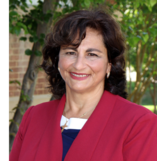
Renee Ferris Turk is the Mayor of Salem, Virginia. She recognized the signs of stroke in her mother, which helped her get care quickly. “I was aware of the signs and what to look for,” she said in an interview in 2024.
This experience helped spark her passion for the city to partner with LewisGale Medical Center to teach people how to recognize stroke signs and symptoms. They emphasize the BEFAST acronym.
The City of Salem and LewisGale Medical Center have worked to teach the community to spot the signs of a stroke. They have done so by distributing Stroke Smart magnets and other materials and providing education. Elizabeth Hart, the Stroke Coordinator at LewisGale Medical Center, shared that they were seeing an increase in patients with stroke symptoms. She emphasizes, it’s important to know the signs of a stroke and call 9-1-1.
|
|
|
Announcements
 |
|
Congratulations to our New Stroke Smart Partners!
The Stroke Smart Virginia Partner recognition program is a way to learn about and be recognized for your Stroke Smart efforts. Any organization or business can apply!
Congratulations to our new 2026 Stroke Smart Partners!
• Blueberry Hill Cohousing – Vienna, Virginia
• Bremo Pharmacy – Richmond, Virginia
• Ebenezer Baptist Church – Staunton, Virginia
All Stroke Smart Partners receive a framed certificate, plus:
• 50 Stroke Smart magnets
• 100 Stroke Smart wallet cards
• and 10 posters.
Learn more and apply to be a Stroke Smart Partner today!
|
 |
|
Become a Stroke Smart Medical Practice!
The Stroke Smart Medical Practice program aims to educate the public and medical office staff to recognize patient stroke signs and act quickly.
Through adopting five actions, we can save lives and reduce disability from strokes.
1. Train office staff to spot strokes and follow practice protocol if a stroke is suspected.
2. Ensure Stroke Smart education and materials are accessible to all patients.
3. Identify high risk patients and provide targeted Stroke Smart education.
4. Incorporate Stroke Smart script in phone system recordings.
5. Track metrics on Stroke Smart program activities.
To learn more about Stroke Smart Medical Practice, visit vdh.virginia.gov/stroke/stroke-smart-medical-practice.
|
 |
|
Stroke Smart Virginia Work Group
This group meets on the 1st Friday of every month at 1:00 p.m. The purpose is to share information about Stroke Smart materials and efforts.
Contact stroke@vdh.virginia.gov for more information.
|
 |
|
Contribute to the Stroke Educational Material Library!
VDH is creating a stroke educational resource library. If you have something you would like to have included, please send it to stroke@vdh.virginia.gov.
|
|
|
|
|
|