In a cardiac emergency, every minute counts. CPR can double or even triple chance of survival. Protecting your family, your friends, and your community starts with being prepared. This American Heart Month, learn CPR.
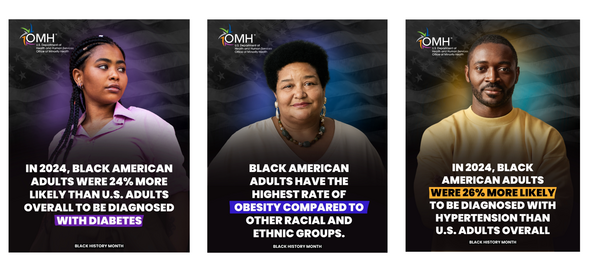
This Black History Month, the U.S. Department of Health and Human Services (HHS) Office of Minority Health (OMH) remains committed to advancing a clear priority: improving the health of Black/African American communities by focusing on the prevention of chronic diseases. Through evidence-based resources, practical tools, and targeted information, HHS OMH is supporting prevention efforts that help families live longer, healthier lives.
Visit the HHS OMH Black History Month webpage to learn more about preventable chronic conditions impacting the health and well-being of Black/African American communities such as heart disease, diabetes, and obesity. Discover how following the new Dietary Guidelines for Americans can help lower the risk of these chronic diseases, and access additional information and news focused on improving the health outcomes of Black/African Americans.
Virginia Partners in Prayer & Prevention
Virginia Partner Resources Webinar Series
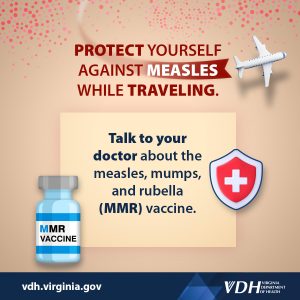
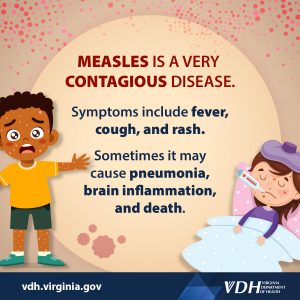
Measles Overview, Prevention, and Planning in Virginia
As we continue working to keep our communities informed and protected, we are pleased to welcome Meredith Robinson for an upcoming Partner Resource Session focused on measles prevention and response.
During this session, Meredith will provide an overview of what measles is, review common signs and symptoms, share prevention strategies, and discuss the current scope of cases in Richmond. She will also offer practical guidance on what families and community members can do to stay safe.
Tuesday, February 24, 2026 6:00 PM
You will receive the recording and information shared from this webinar by registering at the link below.
According to DMV preliminary reports there were 319 unrestrained fatalities on Virginia roadways in 2025. DRIVE SMART Virginia needs your help to increase seat belt use and save lives on our roadways! Here are some important tips to share:
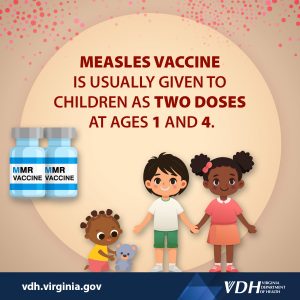
More information is also available in the following VDH news release. Please talk with your child’s healthcare provider about what is best for your child.
The Virginia Department of Social Services is inviting faith organizations and groups to participate in the free, one‑hour Faith Communities as Recovery Ally (FCRA) survey.
Participating groups will receive:
A customized growth plan
Tailored resources and training
Free technical assistance
Ongoing support and check‑ins
To participate, please contact Suzanne Roberts Lukowsky, FCRA Program Specialist, at suzanne.robertslukowsky@dss.virginia.gov. Together, we can strengthen recovery‑supportive efforts and empower more faith communities to serve as strong allies in recovery.
Taking It To Heart
Heart Disease
The Centers for Disease Control and Prevention reports that the most common type of heart disease in the United States is coronary artery disease (CAD), which can lead to heart attack. A heart attack, also called a myocardial infarction, occurs when a section of the heart muscle dies or gets damaged because of reduced blood supply.
If you have a heart attack, you are more likely to survive if you know the signs and symptoms, call 9-1-1 right away, and get to a hospital quickly. People who have had a heart attack can also reduce the risk of future heart attacks or strokes by making lifestyle changes and taking medication.
If you think that you or someone you know is having a heart attack, you should call 9-1-1 immediately.
This toolkit provides messaging, graphics and resources to help your community protect lives, learn the risks of winter weather, promote fire safety and urge caution when traveling in winter weather. Because winter weather brings risks that can be avoided with appropriate preparation, we’re asking you to share important winter safety and preparedness messages.
By sharing winter safety and preparedness messages, you can provide information to your communities and encourage survivors to ask themselves the following questions:
Telehealth for the Prevention and Management of Chronic Diseases
Telehealth can be used to support the prevention and management of chronic conditions. Explore the latest tools and strategies for the effective use of telehealth technologies to support chronic disease prevention and management including specifics on getting started, developing a strategy, billing, and engaging patients.
Share this tip sheet with patients so they can learn how telehealth helps people of all ages manage, and even prevent, chronic diseases.
The Alzheimer's Associationwould like to invite you to participate in Purple Power Worship, an opportunity for your faith community to raise awareness about Alzheimer’s disease and related dementias and help members to access services.
WHY SHOULD YOUR FAITH COMMUNITY PARTICIPATE?
• Raise awareness about Alzheimer’s disease. • Hear testimony from families in your congregation affected by the disease. • Learn the latest information on research and public policy efforts. • Connect congregants to valuable programs, services, and support. • Identify members of your community to plan ongoing activities to educate and raise awareness.
When local authorities lift a boil water notice, it means tests confirm tap water is safe, but cleanup is still essential. Follow these steps to fully restore your home's water supply:
1. Flush Your Household Plumbing System
5. Check on Hot Water Systems
2. Clean Ice Makers & Refrigerator Water Dispensers
6. Wash Reusable Water Containers & Bowls
3. Refresh Other Appliances
7. Monitor Water Quality
4. Sanitize Filters & Water Softeners
Taking these steps helps guarantee your water remains both safe and high-quality after an advisory. If you have questions or see unusual water characteristics, reach out to your Local Health Department or your local water provider for guidance.
Children can get a jump start on a lifetime of good oral health by focusing on maintaining healthy teeth and gums. Positive strategies include incorporating oral health hygiene routines at home along with scheduling regular dental visits.
Cavities are the most common chronic childhood disease in the United States. More than half of children aged six to eight years have had a cavity in at least one of their baby teeth.
American Heart Month Communications Toolkit
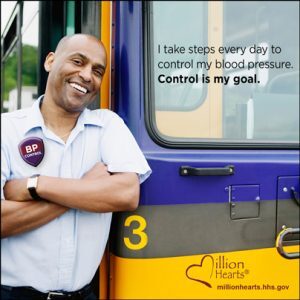
February is American Heart Month, a time when all people are encouraged to focus on their cardiovascular health. This toolkit contains facts and resources that anyone can use to raise awareness about the risks of heart disease and the importance of identifying and managing heart-related health conditions.
Opioid Use Disorder (OUD), a substance use disorder, sometimes referred to as "opioid abuse or dependence" or "opioid addiction" is a problematic pattern of opioid use that causes significant impairment or distress. OUD is a treatable, chronic disease that can affect anyone – regardless of race, sex, income level, or social class.
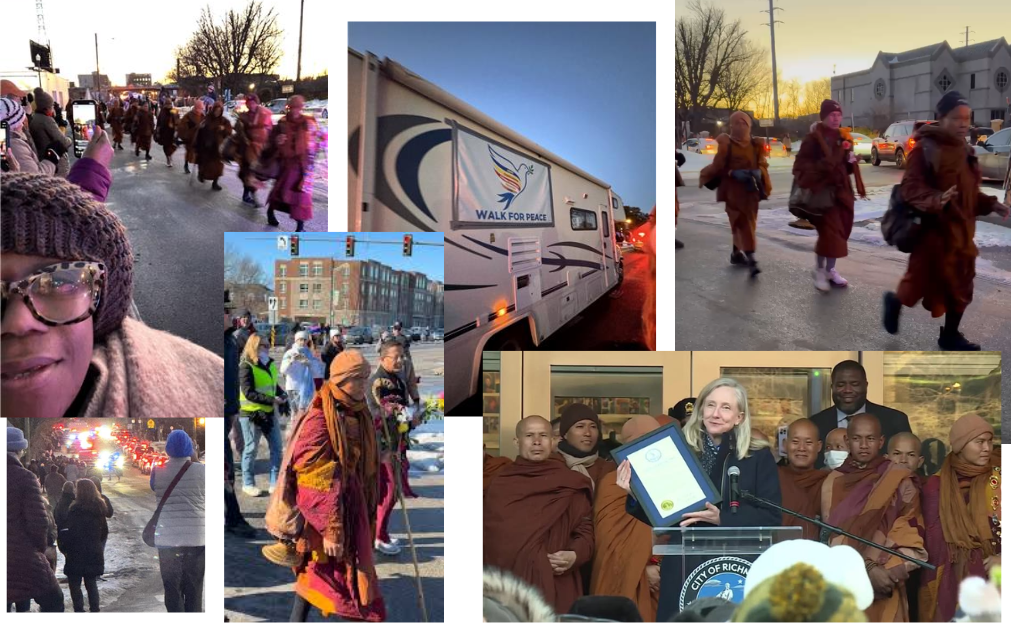
Our team was honored to witness the “Walk for Peace,” led by Buddhist monks traveling from Texas to Washington, D.C., to share messages of compassion, mindfulness, and nonviolence across America. Standing alongside community members in Richmond, we were reminded of the importance of unity, reflection, and collective commitment to building safer, more peaceful communities.
Heart Health Awareness Luncheon for Seniors
February 20, 2026
Seniors Aging Gracefully Norfolk, VA
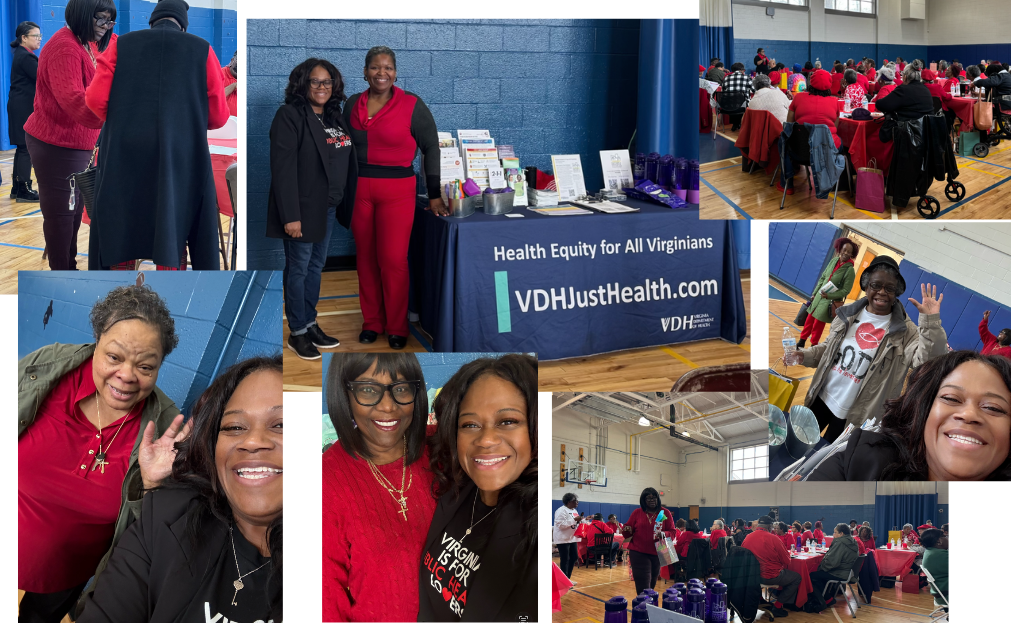
In recognition of Heart Health Awareness Month, our team had the opportunity to attend the Heart Health Awareness Luncheon for Seniors hosted by Seniors Aging Gracefully in partnership with the VDH Norfolk Learning Collaborative Initiative. It was a meaningful opportunity to connect with community members, promote health education, and support ongoing efforts to improve wellness outcomes for Virginia’s seniors.
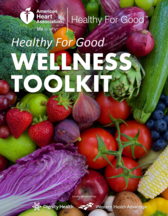
American Heart Association
Heathy for Good | Wellness Toolkit
You don’t have to go on a diet to change your diet or become a runner to start running.
Being healthy can be bright, happy, tasty and fun! All it takes are a few little changes that can add up to make a big difference, like eating smart, adding color, moving more and being well.
Culture, ethnicity, and race all play a role in the way that each person experiences the world. These factors, among others, have profound effects on mental health, especially for Black, Indigenous, and people of color (BIPOC). Mental Health America's BIPOC Mental Health Resource Center helps you learn more about the strengths and challenges communities of color face when it comes to mental well-being and mental health care.
2-1-1 Virginia is a free service that can help you find the local resources you need. Available 24 hours a day, seven days a week. Text CONNECT to 247211, Message and data rates may apply
988 Suicide & Crisis Lifeline
Need Support Now? If you or someone you know is struggling or in crisis, help is available. Call or text 988 or chat 988lifeline.org
Pregnant or just had a baby? The National Maternal Mental Health Hotline is free, confidential, and here to help, 24/7.
Text or call this hotline that is free, confidential, and available 24/7 in English and Spanish.
1-833-TLC-MAMA
Free help to quit tobacco. Quit Coaches available for support. A free 24/7 service for all Virginians, 13 and older for all types of tobacco/nicotine. 1-800-QUIT NOW (1-800-784-8669) or text READY to 34191 www.QuitNowVirginia.org
Click HERE, to request brochures and other free resource materials!
Are you planning a community event? Would you like us to share your event flyer with the Virginia Department of Health and Virginia Partners in Prayer & Prevention? Would you like to request support from VAP3 for your event? Please complete this request form.
Wholesale’s primary charitable efforts specifically focus on programs supporting children, education, and health and human services in the communities.
Walmart believes that strengthening local communities creates value for business as well as society. Each year, Walmart U.S. stores, Sam’s Clubs and Distribution Centers award local cash grants ranging from $250 to $5000. These local grants are designed to address the unique needs of the communities where we operate. Organizations must serve the same service area that the facility they are requesting funding from serves. Eligible entities must be a: 501(c)(3) public charity, Government entity (non-501(c)(3)), School: All K-12 public or nonprofit private schools, charter schools, community/junior colleges, state/private colleges, or universities, and Church or other faith-based organization with a proposed project that benefits the community at large, such as food pantries, soup kitchens and clothing closets and Deed verified.
Applications are accepted and reviewed through three application cycles in FY27:
The Wawa Foundation and Wawa Community Care are committed to building and maintaining strong relationships with local communities and national partners. This opportunity offers financial grants less than $2,500 are available to local non-profit organizations. To achieve this, we provide focused financial and in-kind support for non-profit and community organizations, as well as event sponsorship and volunteerism.





 .
. .
.







 Winter Storm Partners Toolkit