|
|
National Preparedness Month is a great time to take simple steps that can make a big difference during emergencies. Disasters like wildfires, floods, and power outages can happen anytime. Being ready helps protect you, your family, and your home.
- Start by learning about the risks in your area.
- Then, make a plan and build an emergency supply kit with food, water, medicine, and supplies to help keep yourself and those you love safe and comfortable during and after a disaster.
- When making your plans, make sure you consider any unique needs of those you care for, whether it be medical conditions, loved ones with disabilities, your pets, and any neighbors who might need help getting prepared.
- Think about how you and your neighbors can support each other before, during, and after a disaster.
Emergencies don’t always look like big disasters. A house fire at night, a sudden storm at the park, or a power outage during a heatwave can all be dangerous. Would you know what to do?
Being prepared doesn’t have to be expensive or complicated. Even small actions like talking with your family or checking your smoke alarms can help keep you safe.
📌 Visit Ready.gov or Ready.gov/low-and-no-cost for free tips and tools.
|
|
VDH Disaster Supply Checklist
💡This checklist from VDH helps people create a disaster preparation kit to "Get Prepared, Stay Prepared."
|
|

Rabies is a deadly disease that affects both animals and people. It spreads through the saliva of infected animals, usually through bites. In Virginia, rabies is most often found in wild animals like raccoons, skunks, foxes, and bats.
The good news? Rabies is preventable.
-
Vaccinate your pets: dogs, cats, and ferrets should stay up to date on their rabies shots.
-
Keep pets indoors or supervised: don’t let them roam freely.
-
Avoid wild or stray animals, even if they seem friendly.
-
Report animal bites or strange behavior to your local health department or animal control.
-
Wash bite wounds right away with soap and water.
If you think you may have been exposed to rabies, contact your doctor or local health department to report the incident so it can be investigated. For pet exposure, contact your local health department or animal control.
📌 For local information visit vdh.virginia.gov/prince-william/rabies or vdh.virginia.gov/rabies for more rabies control information.
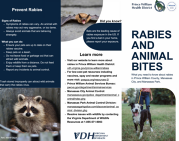
PWHD Rabies and Animals Brochure
💡We have created this brochure about what you need to know about rabies prevention, exposure and other helpful facts.
|
|
|
|
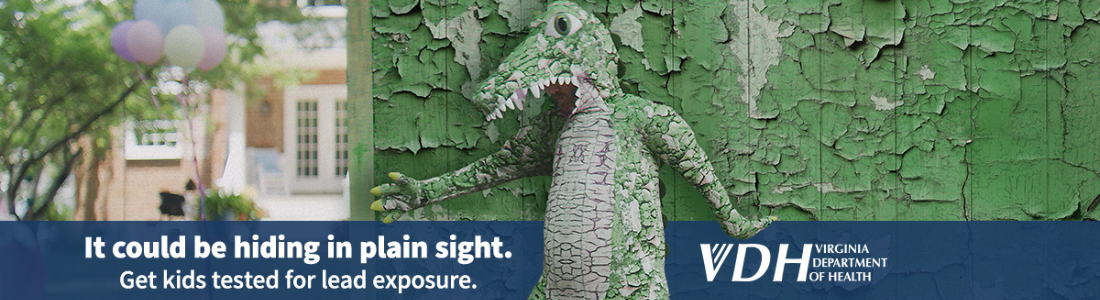
Lead is a toxic metal that can harm anyone but it’s especially dangerous for young children and pregnant people. It can be found in old paint, dust, soil, and even some toys or water pipes.
New Toolkit Now Available from VDH
The Virginia Department of Health (VDH) has launched a new Lead Safety Toolkit to help families learn how to prevent lead exposure. The toolkit includes:
- Easy-to-read flyers and fact sheets
- Social media graphics and videos
- Tips for cleaning lead dust and spotting risks
- Resources for parents, caregivers, and landlords
Even small amounts of lead can impact learning and behavior in children. If your home was built before 1978, or if someone in your household works with lead, your child may be at risk. A simple blood test can check for lead exposure.
📌 Visit vdh.virginia.gov/leadsafe to access more educational materials and learn about the Childhood Lead Poisoning Prevention Program (CLPPP).
|
|
|
🚽SepticSmart Week (September 15–19)
If your home uses a septic system, you play a key role in protecting your health and the environment. Poorly maintained systems can leak harmful bacteria into the ground and water.
Here’s how to stay SepticSmart:
- Don’t flush wipes, grease, or chemicals.
- Space out laundry loads to avoid overloading your system.
- Have your tank inspected and pumped regularly.
- Know where your system is and keep it clear of heavy items or vehicles.
💡EPA has SepticSmart education materials to increase homeowner education on septic systems and promote awareness in caring for them. This includes, graphics, videos, posters, and more!
📌Learn more at epa.gov/septic
|
|
|
In honor of Suicide Prevention Month and National Public Lands Day, we are partnering with the following Greater Prince William coalitions to Walk & Talk Wellness. You are invited to take this opportunity to grab your friends and family and head out to one of the participating trails to Walk & Talk Wellness. This is a great time to learn more about local resources and tools that can help support you on your journey to wellness.
Partner Coalitions:
Join us on September 26, 2025, at 2:00 p.m. at the Neabsco Boardwalk.
Can’t make it then, that’s okay! You can head to one of the participating trails at any time between Saturday, September 13th, 2025, and Sunday, October 12th, 2025, to participate!
Participating Trails:
- Bloom’s Park (Manassas Park)
- Winter’s Branch (Manassas)
- Silver Lake (Haymarket)
- Andrew Leitch (Dale City)
- Neabsco Boardwalk (Woodbridge)
|
|
|
|
|