|
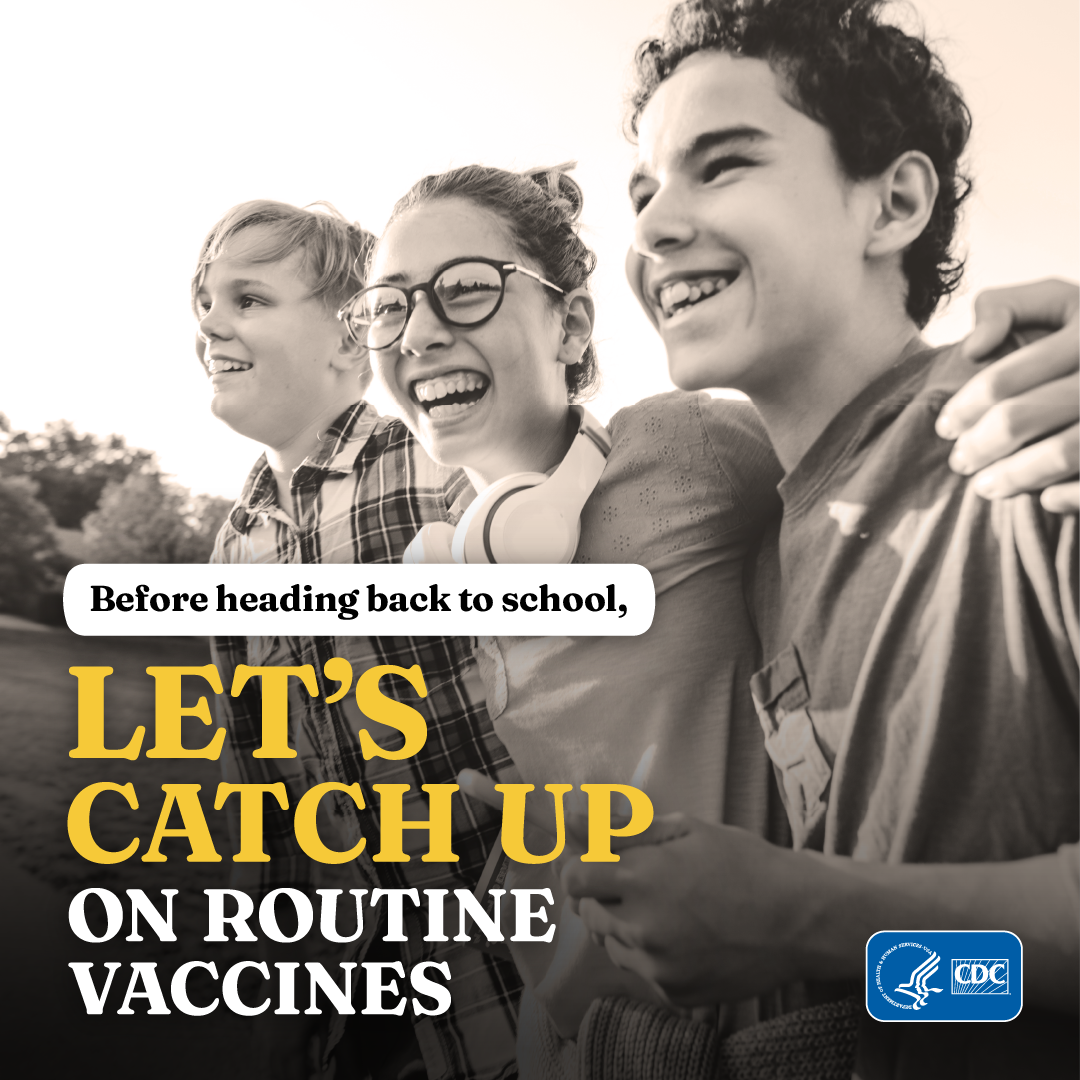
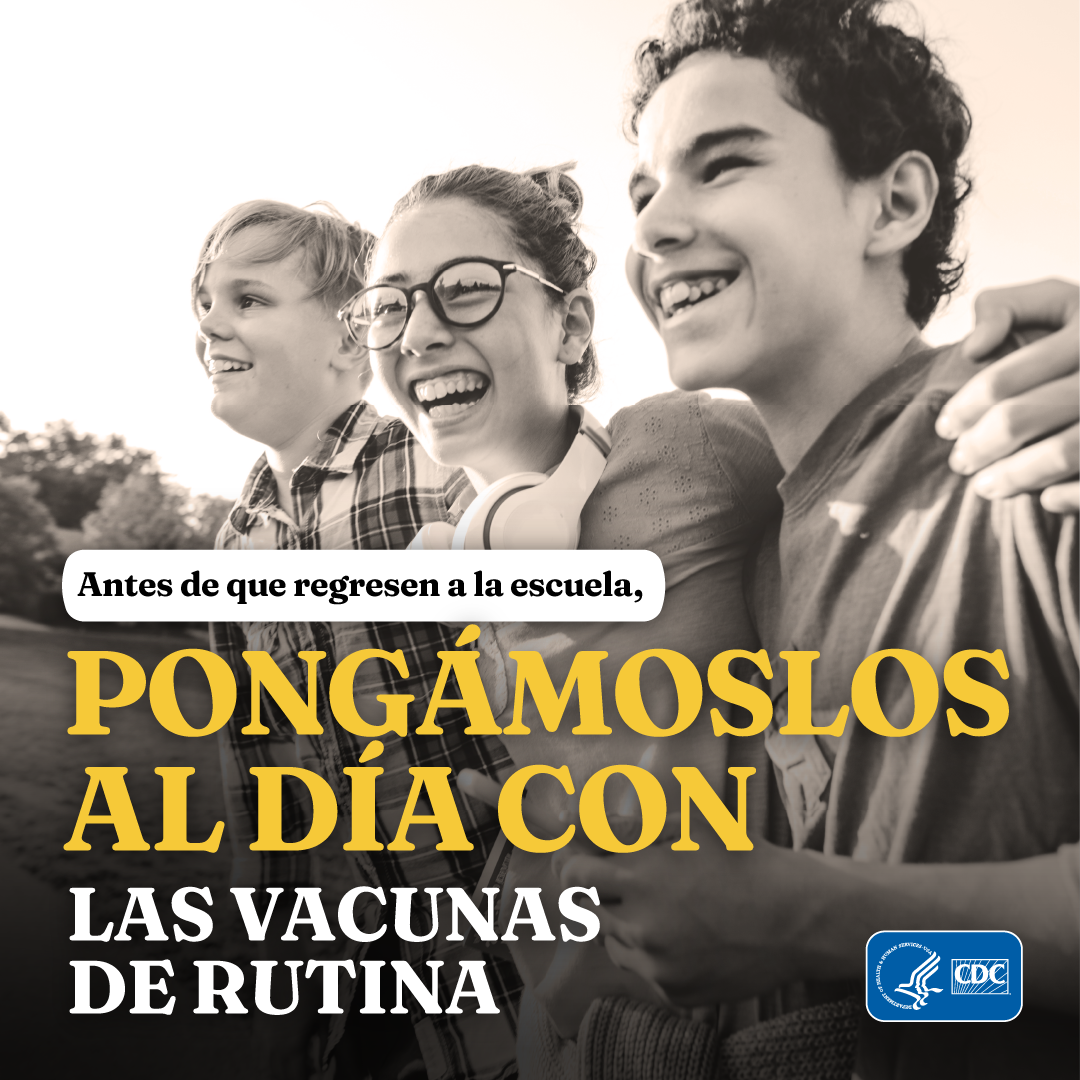
2025 Back to School Vaccine Clinics
Time to mark your calendars for this summer's Back to School Immunization Clinics! We will offer Tdap, HPV, & Meningococcal (MCV4) vaccines for rising 7th graders and Meningococcal vaccines for rising 12th graders at all of our clinics. Check out the schedule below:
-
Charlottesville/Albemarle Health Department
- 1138 Rose Hill Dr. Door #1, Charlottesville, VA
- Friday, August 1 and Monday, August 11 from 9 AM to 3 PM
- Walk in only
-
Fluvanna County Health Department
- 132 Main St., Palymra, VA
- Tuesday, July 29 and Monday, August 4 from 9 AM to 3 PM
- Walk in only
-
Greene County Health Department
- 50 Stanard St., Stanardsville, VA
- Monday, July 21 and 28 from 9 AM to 3 PM
- By appointment only, call 434-985-2262 to schedule
-
Louisa County Health Department
- 101 Woolfolk Ave. Suite 202, Louisa, VA
- Wednesday, July 30 and Tuesday, August 5 from 9 AM to 3 PM
- Walk in only
-
Nelson County Health Department
- 1653 Thomas Nelson Hwy., Arrington, VA
- Thursday, July 31 and Wednesday, August 6 from 9 AM to 3 PM
- Walk in only
Vaccines will be given on a first come, first served basis with supplies limited by availability. Minors must be accompanied by an adult ages 18+. Please bring a copy of your child’s insurance or Medicaid card if applicable. Uninsured children are welcome!
Additional clinics will be added to the schedule, so keep an eye on our Back to School Immunizations webpage for more dates.
What's Your Quit Story?

Have you quit smoking, using tobacco, or vaping? We’d love to hear from you! Your story can make a difference in someone else’s journey to quit. Visit https://tinyurl.com/VirginiaQuitStories to tell us more.
|
Lyme Disease Awareness Month
Lyme disease (or just Lyme for short) is a bacterial infection usually spread by tick bites. It’s known as the “Great Imitator” because its symptoms mimic a variety of other illnesses. On average, it takes about two years for someone to get a correct diagnosis.
Lyme disease symptoms can vary and can get worse over time. Without strong or early treatment, Lyme can spread to the joints, heart, and nervous system. This is why early diagnosis is so important! Most people recover fully with just a few weeks of antibiotics once they’re diagnosed.
The most common source of Lyme is tick bites. Ticks often live in wooded or grassy areas and can latch onto humans and animals unnoticed. It usually takes 24+ hours to pass on Lyme disease, so checking for ticks and removing them early can help stop infection!
Headed Outside? Be Tick Smart:
-
Treat clothing and gear. Use permethrin 0.5% on boots, clothing, and camping gear. It stays effective through several washings.
-
Use EPA-registered insect repellants. Look for products containing DEET, picaridin, IR3535, Oil of Lemon Eucalyptus (OLE), para-menthane-diol (PMD), or 2-undecanone.
-
Walk in the center of trails. Avoid wooded and brushy areas with high grass and leaf litter when hiking or walking.
And remember the post-outdoors check!
-
Check your pets. Thoroughly check their face, coat, and harness for any unwanted hitchhikers.
-
Check your stuff. Ticks can hide in clothing, shoes, and gear. Tumble dry clothes on high heat for 10 minutes, or wash on warm or hot water.
-
Check yourself. Carefully go over your whole body, especially in hidden spots like behind knees, around ears, and along the waistband. Shower soon after being outdoors.
|
|
|
 |

Why are we concerned about how and where babies sleep?
Sleep related death, including Sudden Unexpected Infant Death (SUID), is a leading cause of death for infants between one month and one year of age. In the US, about 3,500 infants die suddenly and unexpectedly while sleeping every year. A safe sleeping environment significantly reduces the risk of sleep related death.
What does a safe sleep environment look like for babies under one year?
Remember the ABCD’s of safe sleep!
-
Alone - Babies should sleep alone in a crib and not share a bed with parents or siblings. The safest place is in the parent’s bedroom, but alone in a crib.
-
Back - The safest way for a baby to sleep is on their back on a firm surface. Sleeping on their back helps keep their airway clear. Babies are not more likely to choke when they sleep or rest on their backs.
-
Crib - Keep the crib clear of stuffed toys, blankets, and pillows. These are suffocation hazards in a crib.
-
Do not smoke or vape in your home - Smoke or vapor of any kind has been shown to be a risk factor for SUID. Keep the air clear for babies.
The Blue Ridge Health District has a limited number of free cribs available for parents and caregivers that meet income guidelines. For more information, call 434-972-6241.
For the latest on safe sleep for babies:
Visit cribsforkids.org or safetosleep.nichd.nih.gov.
|
To read past publications, visit the BRHD Health Whys webpage.
|
|
MAPP2Health by the Numbers
We’ve completed the 2024-2025 MAPP2Health Community Health Assessment (CHA), and the full report is now underway! Thanks to input from 1,097 residents across the District — through door-to-door surveys in Nelson County, one-on-one interviews, focus groups, and online surveys — we’ve identified three top priorities for the next phase of work:
-
Chronic Conditions, focusing on obesity and mental health
-
Healthcare Access, getting the right care at the right time in the right place
-
Social Drivers of Health, prioritizing healthy food access and economic stability
We’re grateful to the teams at BRHD, Sentara Martha Jefferson Hospital and Medical Group, and UVA Health’s Master of Public Health program for helping us gather and analyze the data driving the report. We're also thankful for our 13-member Steering Committee who advised this work over eight months.
Once the report is complete this summer, we’ll begin the next phase: creating a Community Health Improvement Plan (CHIP). This is where we turn the findings and recommendations of the report into action, setting goals and timelines to track real progress by 2028.
Want to help improve the health of your community? We’ll be forming CHIP workgroups this summer and we’d love to have you at the table. Contact CHA/CHIP Program Officer Jen Fleisher to get connected.
|
|
-
Thursday, May 8 - BRHD closed for staff training
-
Monday, May 26 - BRHD closed for Memorial Day
|
|

Monthly Rapid REVIVE! Naloxone Trainings
Free trainings and dispensing of Naloxone nasal spray used to treat suspected opioid overdoses. All are welcome. Visit the Harm Reduction webpage for more information.
-
2nd Tuesday of the month: May 13 from 3 to 4 PM at the Greene County Health Department (50 Stanard St., Stanardsville, VA) and Fluvanna County Health Department (132 Main St., Palmyra, VA)
-
3rd Monday of the month: May 19 from 3 to 4 PM at the Charlottesville/Albemarle Health Department (1138 Rose Hill Dr., Charlottesville, VA)
-
3rd Wednesday of the month: May 21 from 3 to 4 PM at the Louisa County Health Department (101 Woolfolk Ave. Suite 202, Louisa, VA)
Monthly Test & Go Event
Free walk-in STI testing on a first come, first served basis until supplies run out. No insurance needed. Call 434-972-6269 for more information.
-
3rd Tuesday of the month: May 20 from 4:30 to 6 PM at the Charlottesville/Albemarle Health Department (1138 Rose Hill Dr., Charlottesville, VA)
|
|
|
|
|