|
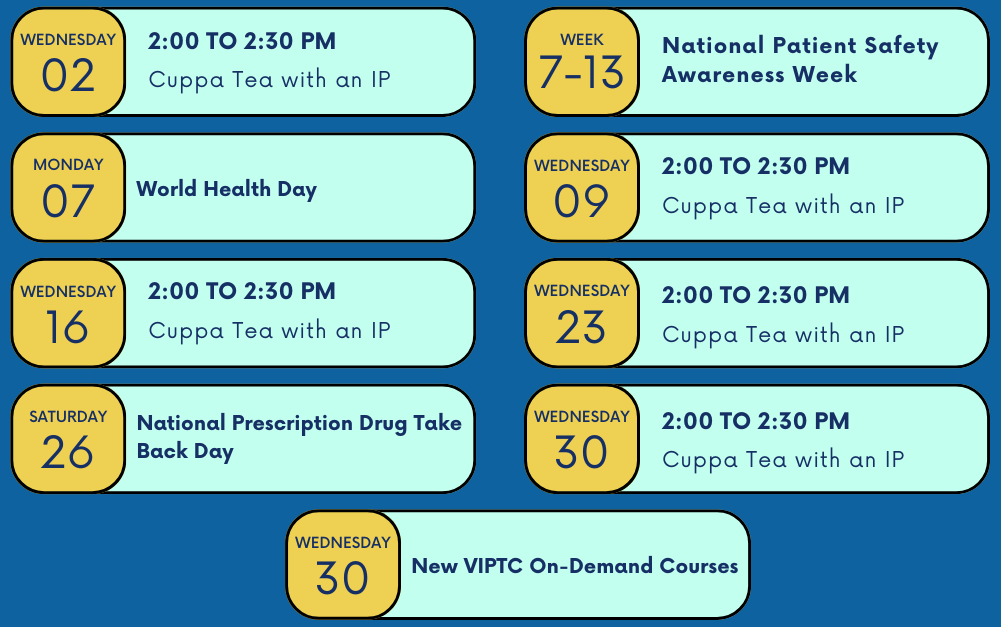
April Event Calendar
Check out the VIPTA Event Calendar for more details and to register for events.
Events in April
|
|
Featured Training Resource

"Wait — Do I Need PPE for This?" Making Sense of Enhanced Barrier Precautions
Infection prevention in long-term care takes teamwork—and sometimes a little extra reinforcement. It’s been a year since CMS formally added Enhanced Barrier Precautions (EBP) to infection control guidance, and that big question— “Do I need PPE for this?”—still comes up.
EBP expands personal protective equipment (PPE) use beyond isolation, applying to high-contact care like wound care, changing linens, and bathing. EBP is key to stopping the spread of multidrug-resistant organisms (MDROs) in long-term care facilities, but it takes clear systems and consistent staff education to make it stick.
What to Expect: This month’s resources are designed to meet your team where they are—whether you’re providing direct care, coordinating therapy, or supporting infection prevention efforts facility-wide.
How to Use These Resources
- Share the 8 Moments visual in breakrooms, care stations, huddles, or staff emails.
-
Use the algorithm and observation tool to support your facility’s infection control plan or prep for survey readiness.
Enhanced Barrier Precautions are a big shift, but they’re not a solo effort. Whether you're providing direct care or leading infection prevention and control (IPC) efforts, these tools are here to help you do the work and explain the why. Infection prevention is always evolving, but so are we.
|
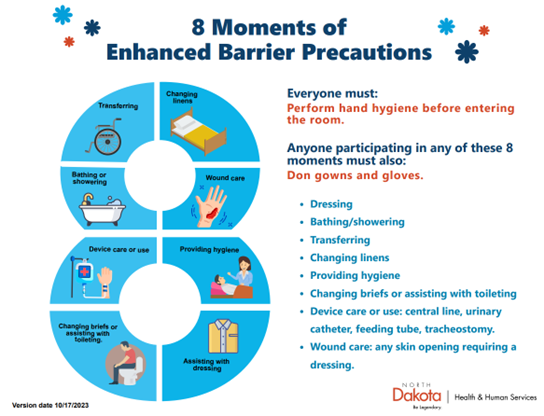 |
8 Moments of Enhanced Barrier Precautions (https://www.hhs.nd.gov/sites/www/files/documents/DOH%20Legacy/HAI/8_Moments_of_EBPs.pdf)
|
|
Regulation & Guidance Updates |
|

✅Centers for Disease Control and Prevention (CDC)
-
Health Advisory: Expanding Measles Outbreak in the United States and Guidance for the Upcoming Travel Season (3/07/2025)
-
Emphasizes that healthcare professionals and travelers should ensure compliance with MMR vaccination guidelines to mitigate the risk of measles, especially among individuals traveling to areas with known outbreaks.
-
Details best practices for monitoring, diagnosing, and managing measles cases while underscoring the current low risk of widespread measles in the U.S. due to strong immunization efforts.
✅Virginia Department of Health (VDH)
-
Clinician Letter: Measles Updates for Virginia (3/12/2025)
-
Stresses importance of staying alert for measles given recent exposure events and other ongoing measles outbreaks in the U.S.
-
Reviews CDC guidance for preventing and controlling measles in healthcare settings including vaccine recommendations. See the CDC measles Health Advisory for more reminders about measles.
-
Clinician Letter: COVID-19 Reporting Updates (3/17/2025)
-
Provides updates on COVID-19 disease reporting and control regulations related to a variance the State Health Commissioner recently signed.
-
Physicians, persons in charge of medical care facilities, and local health directors are no longer required to report suspected or confirmed individual cases of COVID-19.
-
Directors of laboratories are still required to report, and all suspected or confirmed outbreaks must still be reported.
|
|
|
Cheers for Peers

✨
This month, Paige Bordwine, Southwest Regional Epidemiologist with the Virginia Department of Health (VDH) is highlighting the successes of an infection prevention mentorship program among health department staff in her region.
The Southwest Virginia Regional Infection Prevention team consists of three infection preventionists (IPs), supported by regional containment team members who assist with COVID-19 investigation and prevention. To strengthen IPC expertise and expand regional support, the IPs began mentoring containment team members. Through shadowing during on-site IPC assessments, mentees gained hands-on experience in conducting observations, providing education, and offering resources to address facility needs.
After facilities receive their recommendations report, an IP mentee follows up to address questions and needs, as well as provide education, observations, and interventions based on the IPC assessment. Notably, many skilled nursing and congregate care facilities lacked trained N95 fit testers. In response, the regional team assigned a specialist to conduct train-the-trainer sessions and assist with initial fit testing.
The Southwest Region has received excellent feedback on the value of the IP mentee program. Facilities benefit from mentee support, while mentees gain infection prevention experience, often using the program as a pathway to becoming infection preventionists and pursuing certification in infection control. Mentees describe the experience as rewarding, impactful, and an invaluable learning opportunity.
|
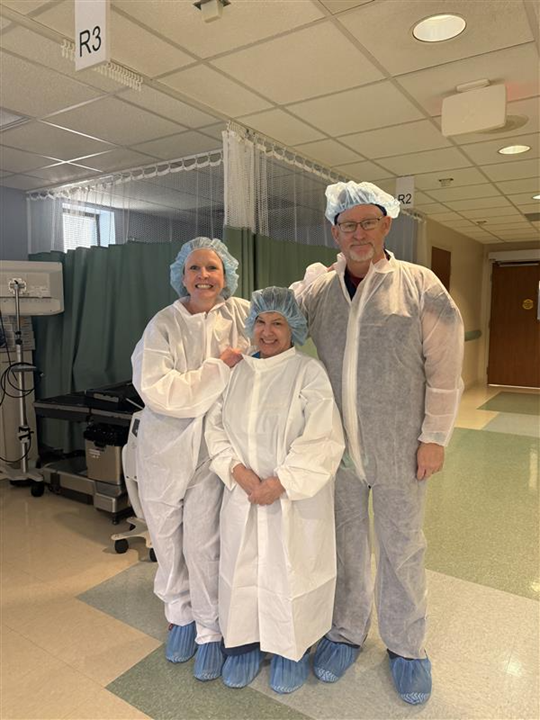 |
Pictured (left to right): Southwest Regional IPs (and mentors) Sheri Ives, Cindy Chaos, and Jack Jones
|
|
Search the VIPTA library of curated infection prevention and control (IPC) education and training resources. The IPC Education & Training Resource Library includes state and national resources related to healthcare-associated infections, antimicrobial resistance and/or IPC. |
|
 |
|
|

Subscribe to the Bulletin
Was the VIPTA Bulletin forwarded to you? Subscribe and get the VIPTA Bulletin sent directly to you!
|

We Want to Hear From You
Your feedback matters to VIPTA. Help us improve or ask questions using the VIPTA feedback form.
|
|
|
|