Story H2 Heading Text Goes Right About Here
Welcome to the Epi Corner! Brought to you by your local Epidemiologist, Cali.
What? You may be asking yourself, 'what the heck is going on with the flu right now?!' As you have seen, flu cases are up this year in comparison to recent years and are currently accounting for roughly 11% of all emergency department visits in Virginia (COVID is at 1.4% of visits and RSV, 0.3%). The U.S. is currently seeing the highest number of sick people for influenza-like illness (defined as fever, cough, or runny nose) since 2002. This could be due to a number of reasons. First, it is normal to see a 'bad' flu season every couple years. With the COVID pandemic, many normal respiratory illnesses, including flu, were kept at bay due to the increased use of prevention measures (masking, distancing, staying home when sick, etc.). Because of this, our normal flu trajectory was thrown off, so we haven't seen higher flu rates since before the pandemic. Another reason for increased spread could be due to lower vaccination coverage in comparison to pre-pandemic times. Additionally, the match between the flu vaccine and currently circulating flu strains may not be as close this year as in previous years. In the Southern hemisphere's flu season (trends earlier than in the U.S.), the vaccine efficacy was roughly 35% (average each year is 40-60%) with the main circulating flu strain of A(H3N1). In the U.S., current testing shows that H3N2 accounts for about 50% of cases, differing from what was seen in the Southern hemisphere. This will mean that our vaccine efficacy will likely be different, but complete U.S. vaccine efficacy data this flu season is not yet available.
Why should you care? Getting sick means missing work, school, or other activities, and feeling pretty crummy for a while, which no one wants. If you have kids or elderly adults in your life, they are more at risk for severe illness. In fact, hospitals around the country are reporting increased hospitalizations among children this flu season, including increased rates of what is known as Influenza A-associated acute necrotizing encephalitis (ANE). ANE is a rare, severe brain disorder that causes rapid and progressive brain damage and typically occurs in children, with ~50% fatality rate and long-term neurological disabilities common. Pediatric neurologists around the country are trying to gather more information on why this is occurring, but further information is unknown thus far.
What can you do? The best prevention for severe illness is still getting the flu vaccine, even if efficacy numbers aren't where we would like to see them, and it isn't too late to get vaccinated, as flu numbers are still on the rise with no indication of peaking yet. If you are going out around others, maintain good hand hygiene and don't touch your face after coming into contact with high touch surfaces. Avoid being around sick individuals, and stay home if you are feeling ill. If you do get sick, make sure you are getting plenty of rest and hydration, including electrolytes (found in sports drink, Pedialyte, etc.). Over the counter medication can help with fever, and make sure you cover your coughs and sneezes and avoid others in your home, if possible. Your doctor can prescribe antiviral medication, typically Tamiflu, that can help reduce the amount of time feeling ill and prevent serious complications. Stay home until your symptoms are better overall and you haven't had a fever in at least 24 hours without the use of fever-reducing medications. If you don't have a fever, stay home at least 5 days after symptom onset.
 Central Virginia's Canning Initiative
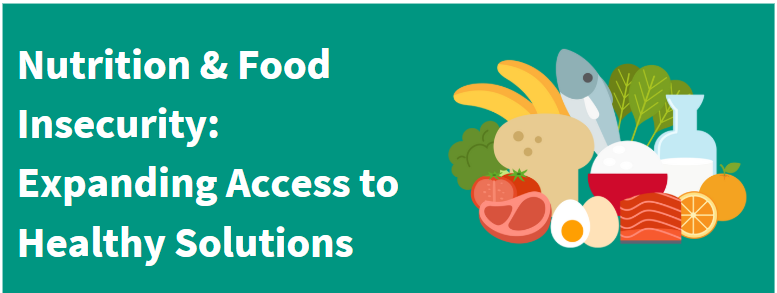
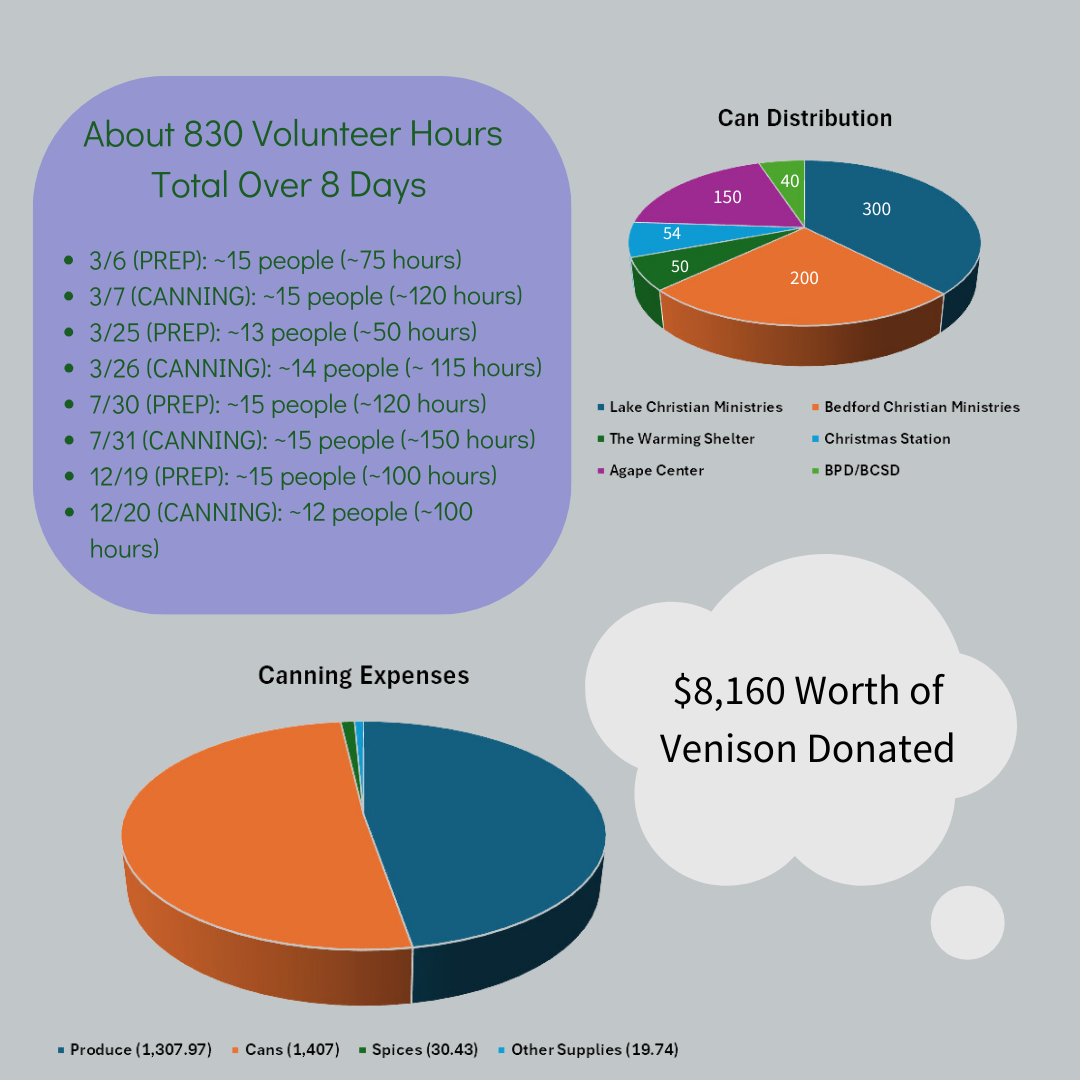
In 2024, the Central Virginia Health District partnered with the New London Cannery, Virginia Cooperative Extension, Hunters for the Hungry, and the Bedford Community Health Foundation to transform donated venison into a nutritious, shelf-stable meal—venison stew. A total of 1,407 cans were produced and distributed to food pantries throughout Bedford County, ensuring greater access to healthy food for those in need. The project was made possible through 830 volunteer hours. While all venison was donated, its market value would have been $8,160.
Building on this success, the goal for 2025 is to expand the initiative to the Lynchburg area, increasing the availability of healthy, shelf-stable meals for even more members of the community.
|