|
In this biweekly issue:
1. Safe Slumber: Sudden Infant Death Syndrome (SIDS) & Sleep Safety + Staff Spotlight
2. October: Ready for Spooky Fun & Daylight Saving Time Ends
3. NEW Population Health Dashboard
4. Upcoming Community Events & Job Openings
5. Get Vaccinated this Fall: Updated COVID-19 & Flu Vaccine
|
|
Safe Slumber: Sudden Infant Death Syndrome (SIDS) & Sleep Safety

Learn more about SIDS, sleep safety tips, and strategies below with PWHD's Public Health Nurse Senior, Katie Van Hoosen as she discusses measures parents/caregivers can take to reduce the risk of SIDS.
|
Public Health Nurse Senior (PHN Sr.), Katie Van Hoose, shares Safe to Sleep tips
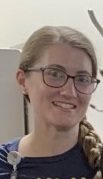
SIDS can be difficult to talk about. PWHD PHN Sr., Katie, specializes in communicable diseases and maternal/child health. Having previously worked in neonatal intensive care units and with parents/caregivers for many years, she has an extensive background in this topic.
Katie describes, SIDS is the death of a child before their 1st birthday where a cause remains undetermined after a full investigation. Although research has yet to identify the true cause of SIDS, Katie highlights that there are actions we can take to lower the risk through safe sleep practices.
As we continue to learn new information, recommendations can change over time. Katie emphasizes that we should continue to educate ourselves and others about new updates. Katie pointed out: “Prior to1994, most babies slept on their stomachs". This is now categorized as a risk factor for SIDS. Talking about safe sleep practices helps address outdated beliefs or attitudes people may have.
Since 1994, it is recommended parents/caregivers position their babies under the age of 1 year to sleep flat on their back during daytime naps and at night.
|
Using the ABCs method Katie summarizes the following tips for a safe sleep environment:
Alone: Babies should be sleeping alone in a crib or dedicated flat sleeping surface.
Back: Babies should be put on their back when sleeping.
Crib: Babies should sleep in a dedicated sleeping surface like a crib, where an object or adult cannot roll into their space.
Keeping those tips in mind let's address some strategies:
-
Sleep position: Babies placed to sleep on their stomachs or sides are at higher risk for SIDS.
- Do: Position babies on their back.
-
Temperature: Babies who overheat are at a higher risk of SIDS.
- Avoid: Fluffy, weighted blankets, hats, and extra layers of clothing.
- Do: Use fitted sheets and light clothing.
-
*Pacifiers: Babies who sleep with pacifiers are at lower risk for SIDS than babies who do not use pacifiers during sleep.
- Avoid: Pacifiers that have a string or lanyard attached to clothing or around neck.
-
Sleep location: Sharing an adult bed, couch, or armchair with baby can be especially dangerous.
- Avoid: Placing baby on adult beds, couches, armchairs, and other shared sleeping spaces
- Do: Place baby alone on dedicated flat sleeping surface
- Do: Have parents/caregivers room share
One of our roles in public health is raising awareness and educating families. Our reminder is: "...SIDS is not 100% preventable but there are some things that if families are aware of, they can do to lower the risk". Together we can all try to work towards safeguarding the well-being of our children in their earliest stage of life.
|
|
|
|
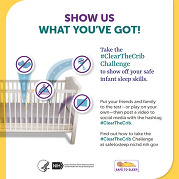
Participate in the #ClearTheCribChallenge
- With your partner, family or friends create a mock sleep environment with common baby items placed in a sleeping area.
- Then review what a safe sleeping environment should look like.
- You and your loved ones are encouraged to remove the 'unsafe' items to model a safe sleep environment.
More information click here.
|
|
 |
More Resources
NICHD Information Resource Center: Handles health-related questions, requests for materials, and other inquiries at 1-800-505-CRIB (2742) (toll free) about Sudden Infant Death Syndrome (SIDS) and the Safe to Sleep® campaign.
American Academy of Pediatrics: Safe sleep guidelines showing differences between 2016 and 2022.
CSPC Cribs and Infant Products: Learn about recalls related to safe sleep.
Learn about Sleep Sack Safety: Article by the Cleveland Clinic.
Grief and Infant Loss: List of organizations that offer resources for families who have lost a baby.
|
|
Ready for Spooky Fun: Food Safety Tips
-
Snacking: Wait until you get home to inspect your treats before eating them.
-
Safe treats: Don't accept or eat candy that is not commercially wrapped.
-
Food allergies: Read the nutrition label to check if an allergen is listed.
-
Choking hazards in young children: Take away gum, peanuts, small toys, or hard candies.
|
Daylight Saving Time Ends
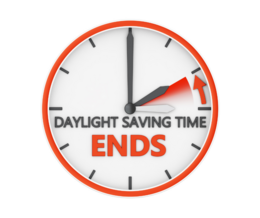
On Sunday, November 5, don't forget to set your clocks back one hour as we say farewell to longer daylight hours and enter the fall and winter season in full swing!
|
|
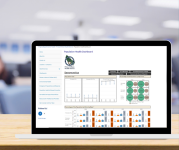
NEW! Population Health Dashboard
|
Dive into community health data with PWHD’s latest dashboard upgrade. Explore different types of data: demographics, community, STIs, HIV and AIDS, social determinants of health, substance use disorders, and communicable diseases.
|
|
 |
|
|
It's Never Too Late to Get Vaccinated This Fall!
Protect Yourself and Your Loved Ones From Severe Illness.
|
2023-2024 COVID-19 Vaccine: Everyone 6 months and older should get an updated COVID-19 vaccine. It targets the most common circulating variants for this fall/winter season.
Flu Vaccine: Flu season is in full swing! Everyone 6 months and older, with rare exception, should get the flu vaccine every year.
|
|
 |
The flu vaccine and COVID-19 vaccine can be given at the same time, if eligible and timing coincides. Available at pharmacies, healthcare provider(s) or your local health department.
|
|
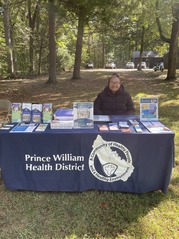
Come See Us at These Community Events!
|
|
Join Our Team!
|
Current open positions:
- Public Health Nurse
- Nurse Practitioner
- IT Specialist
- Environmental Health Specialist Sr.
- Buyer
|
|
 |
|
|
|
|
|