|
|
PUBLIC WORKS & ENVIRONMENTAL SERVICES
Fairfax Recycler Newsletter
|
|
|
As summer begins to wind down, we'd like to thank Fairfax County residents for continuing to make recycling and waste reduction a priority. Whether you've recycled at home, composted food scraps, or visited one of our recycling drop-off sites, your efforts help protect our environment and keep valuable materials out of the waste stream.
The past few months have brought record-breaking temperatures, busy grilling weekends, family vacations, and the start of hurricane season. These seasonal activities also bring unique waste disposal challenges. In this issue, we're highlighting three important reminders to help keep our community safe and sustainable: properly disposing of batteries, safely handling propane cylinders, and composting storm debris after summer storms.
Together, we can continue making Fairfax County cleaner, safer, and more sustainable for everyone.
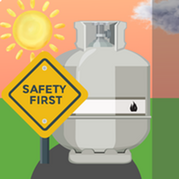
Grilling Season Ends, but Propane Safety Never Takes a Break
Summer cookouts are one of the best parts of the season, but when grilling wraps up, many residents are unsure what to do with partially empty propane cylinders.
Even if a cylinder seems empty, it can still contain enough residual gas to be dangerous. Because propane cylinders remain pressurized, they should never be placed in household trash or recycling carts. Improper disposal can create serious safety risks for collection crews and waste facilities.
Instead, take propane cylinders to an approved collection or exchange location where they can be safely handled or recycled. Most hardware stores, gas stations, and many grocery stores will take back cylinders at no cost. You can also drop them off at the Household Hazardous Waste collection site at the I-66 Transfer Station or the I-95 Landfill Complex for a small fee.
By disposing of propane cylinders properly, you help prevent fires and protect the workers!
|
|
|
Batteries Power Our Lives, They Don't Belong in the Trash
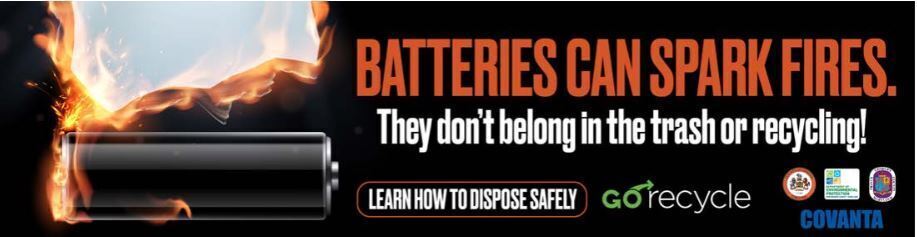
Rechargeable lithium-ion batteries are everywhere—found in cell phones, laptops, tablets, power tools, electric toothbrushes, wireless headphones, rechargeable toys, portable chargers, e-bikes, and even musical greeting cards.
Although convenient, these batteries require special handling at the end of their life. When placed in household trash or recycling carts, they can be crushed by collection equipment, creating sparks that can quickly ignite fires.
To recycle batteries safely:
- Place tape over the battery terminals whenever possible.
- Store damaged batteries separately until they can be recycled.
- Never place rechargeable batteries in your curbside recycling cart.
- Take batteries to an approved battery recycling location or at the Household Hazardous Waste collection site at the I-66 Transfer Station or the I-95 Landfill Complex. Every properly recycled battery helps prevent fires and allows valuable metals to be recovered and used again.
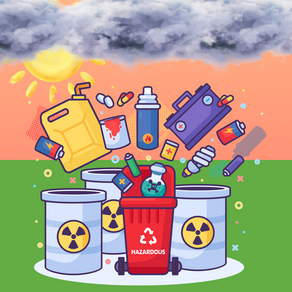
Household Hazardous Materials
This summer has brought prolonged periods of extreme heat across our county. While many of us are enjoying outdoor activities, vacations, and backyard cookouts, the hot weather also serves as an important reminder about safely disposing of materials that can become fire hazards.
Items such as aerosols, motor oil, and other flammable or combustible materials should never be placed in your household trash or recycling cart. These items can leak, rupture, or become damaged during collection and processing. If crushed or punctured, they can ignite and create dangerous fires in collection trucks, recycling facilities, transfer stations, and landfills.
These same fire risks apply to materials left over from summer cookouts as well. Properly disposing of charcoal and grill coals is essential for preventing fires in trash collection trucks and waste facilities. Even when coals appear cool, they can retain enough heat to reignite days later. Always allow coals and ash to cool completely, soak them thoroughly with water, and place them in a metal container before sealing them in a non‑combustible bag for disposal. Never place hot or warm coals in your household trash or recycling cart. And if a bag of charcoal becomes wet, store it in a well‑ventilated area away from your home, wet charcoal can spontaneously ignite if left to dry in enclosed spaces. Taking these simple precautions keeps your home, collection crews, and the community safe.
Fortunately, preventing these fires is simple. Using approved drop‑off locations, such as the County’s Household Hazardous Waste collection sites or other responsible recovery centers, helps ensure these materials are handled safely and kept out of the waste stream. Proper disposal not only protects the environment but also helps safeguard sanitation workers, recycling staff, emergency responders, and the residents who depend on these essential services. Follow Fire and Rescue’s Cookout Safety for more tips.
By taking a few extra minutes to dispose of hazardous materials correctly, you’re helping prevent fires and keeping Fairfax County safe throughout the summer and beyond.
|
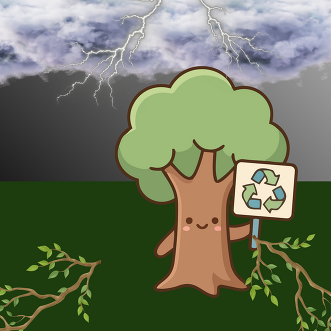
Storm Cleanup Made Simple
August marks the beginning of peak hurricane and tropical storm season. Heavy rain, strong winds, and severe thunderstorms can leave neighborhoods covered with fallen branches, limbs, and other yard debris.
Rather than disposing of these natural materials, consider composting them whenever possible. Leaves, grass clippings, small branches, and other untreated yard waste are excellent ingredients for compost. Once branches are cut into smaller pieces or chipped into mulch, they can be added to a backyard compost pile or used around trees and garden beds. Composting yard waste helps return nutrients to the soil, improves moisture retention, reduces erosion, and cuts down on greenhouse gas emissions associated with landfilling organic materials.
If you have more yard debris than you can handle at home, contact your trash collector for pickup requirements. Fairfax County also offers convenient options for recycling yard waste into mulch and compost products. For larger tree‑related hazards, such as fallen limbs, damaged trees, or debris requiring professional attention, residents can find guidance in the Tree Resources - Who to Call | Public Works and Environmental Services.
As storm season continues, remember: what falls from our trees doesn’t have to become waste; it can become a valuable resource that strengthens your landscape and supports a healthier environment. To stay informed during severe weather, residents are encouraged to sign up for Fairfax Alerts and to visit Ready Fairfax | Emergency to prepare for emergencies.
|
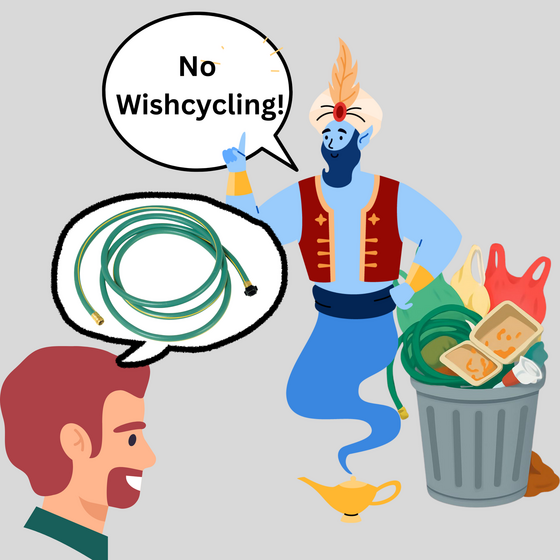
Wishcycling is the well-intentioned practice of placing items in the recycling bin in the hope that they can be recycled, even when their recyclability is uncertain. While the intention is positive, wishcycling can create significant problems for recycling facilities. Items such as plastic bags, garden hoses, food-contaminated containers, and other non-recyclable materials can jam sorting equipment, contaminate otherwise recyclable materials, and increase processing costs. When contamination levels become too high, entire loads of recyclables may be rejected and sent to the landfill. The best way to avoid wishcycling is to follow local recycling guidelines. When in doubt, look up the item using the Waste Wizard!
|
|
|
|
|
|