|
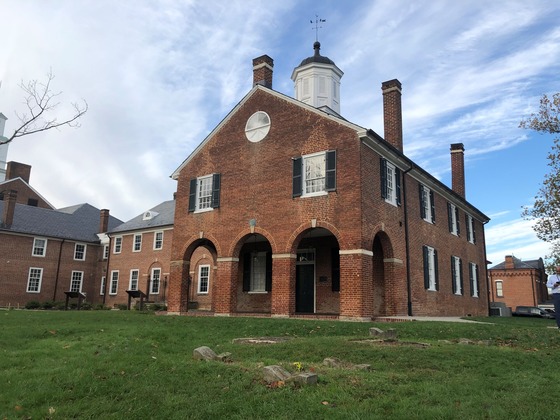
Fairfax County Historic Courthouse
Two of the Historic Records Center's most treasured documents, and perhaps our most well-known, are George and Martha Washington's handwritten wills. George's will is quite extensive, at 29 pages long, and it details his wishes on everything from his small personal possessions to his large swaths of land. George and Martha's wills both include directive for how they wanted their executors to handle their enslaved people as well. Recognizing that the enslaved individuals at Mount Vernon lived together and built families, George left his enslaved to be freed upon Martha's death. Martha freed these individuals one year after George's will was probated, and also followed his wishes that the estate provide support for the youngest and oldest of them, as well as any who were ill or disabled. Martha was unable to free her enslaved, as they were part of her dower, so upon her death the remaining enslaved at Mount Vernon were divided among her heirs.
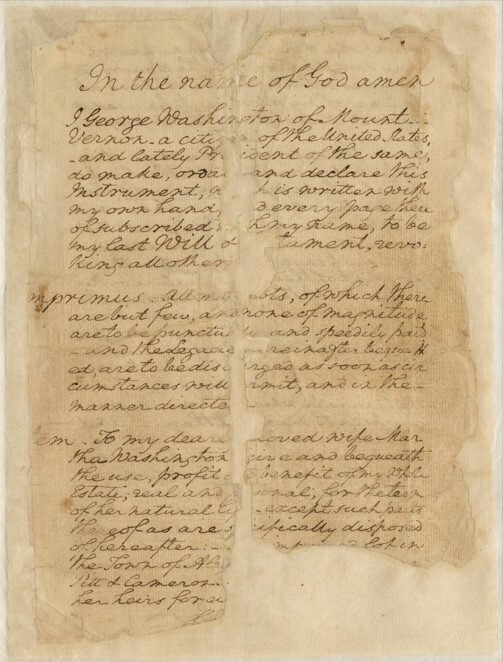
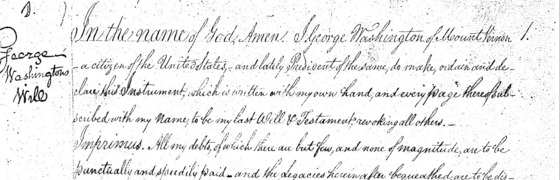
As a Fairfax County resident, George Washington had to come to court for legal proceedings and transactions just like every citizen of the county did. When he died in December of 1799, his will was probated at Fairfax Court in the same way as every other will that came through the court system. Today, Fairfax Circuit Court has two copies of George's will. The first is the original handwritten copy, and the second is is located in Will Book H-1, which is the clerk's copy that is recorded along with other probate documents as they were brought to court and filed.
George Washington's Will, page 1
Fairfax Will Book H-1 page 1, Clerk's recorded copy
George's will has largely remained in the Clerk's office in Fairfax with one notable exception. At the outbreak of the Civil War, Clerk of Court Alfred Moss feared for the safety of some of the court's most precious documents, including George and Martha's wills. In an effort to protect these records, Moss removed them from the courthouse and brought them to his daughter's home near Culpeper, Virginia, where they were stored in a cellar. Moss then took George's will to Richmond, where it remained until the end of the war. In 1865 the will was returned to the Courthouse, where it has remained ever since, minus leaving for conservation treatments or for temporary display at other locations.
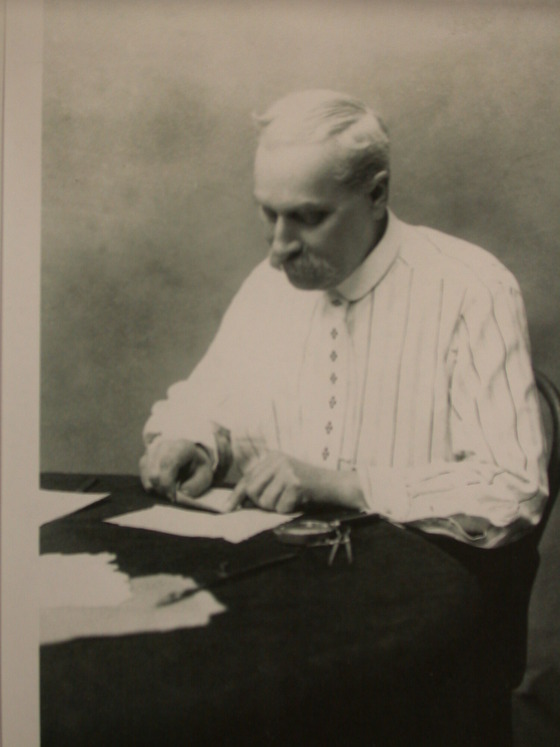
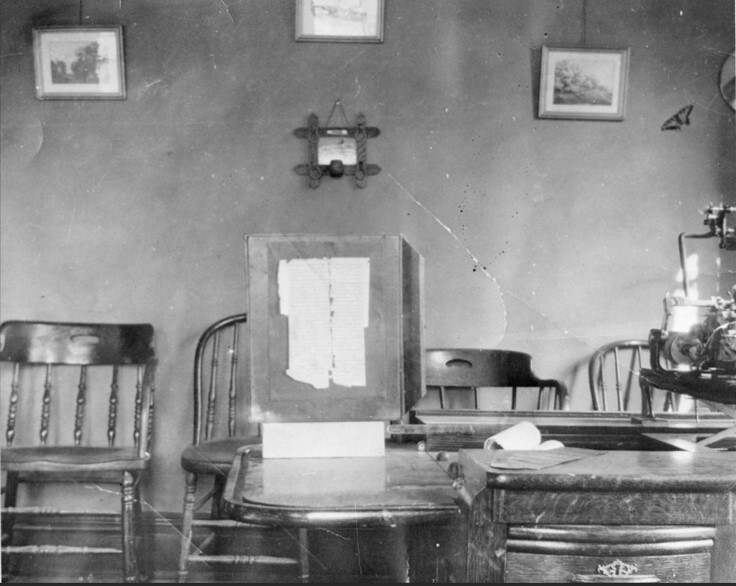
Work on George Washington's Will, William Berwick, Restorer of Manuscripts at Library of Congress, 1910
City of Fairfax Library Image, FXCO-RECORDS-003
Fairfax County Records, Preserving George Washington's will.
circa 1910
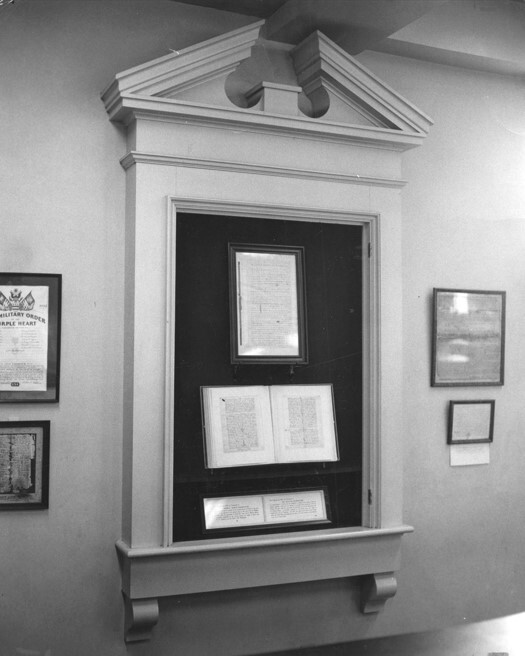
Washington Will on display in the Clerk's Office, 1959
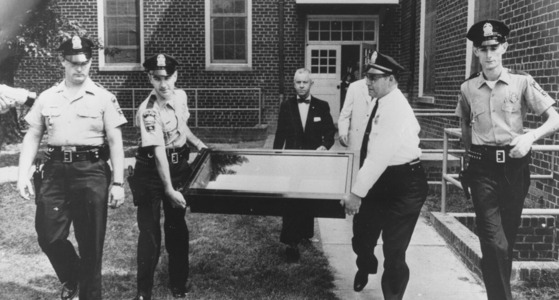
Paul St Clair, Wayne Frakes, Tom Chapman Clerk of Court, James Maley and Clifton Skinny Walters carrying the Washington Wills to be displayed at Mount Vernon for five hours, 1963
For a more in-depth history of George and Martha's wills, the Historic Records Center has newly published copies of George and Martha's wills available for free, with a historical introduction written by George Oberle III, PhD MLS, History Librarian and Associate Professor at George Mason University, and a Clerk's introduction written by Christopher J. Falcon, Clerk of the Circuit Court.
|