Fairfax Voting Changes:
Polling Places & Taxes
As we gear up for Election Day, we will look at two books from Fairfax County Circuit Court Historic Records Center which demonstrate how voting has changed over the years. The first is an unlabeled book (Fig.1).
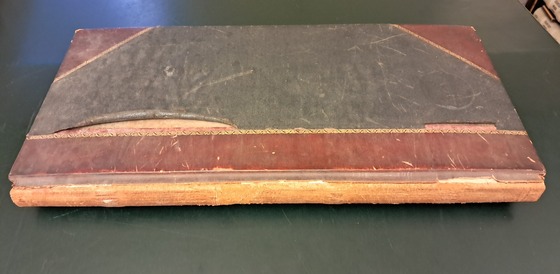 Fig. 1 Precinct posting book.
This is the precinct polling book with recordings from 1904 to 1962. It records where the County Sheriff had posted a list of all people who had paid their poll tax. The Clerk signed off on it. The sheriff included what the voting place was, where the list was posted, as well as the date. It is interesting to see which places were used year to year and which ones have changed (Fig. 2-3). Places include stores, service stations, post offices, blacksmith shops, schools, fire houses, and even residences.
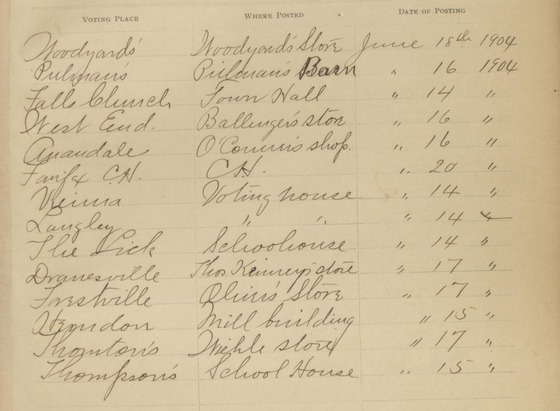 Fig. 2, detail 1904 entry
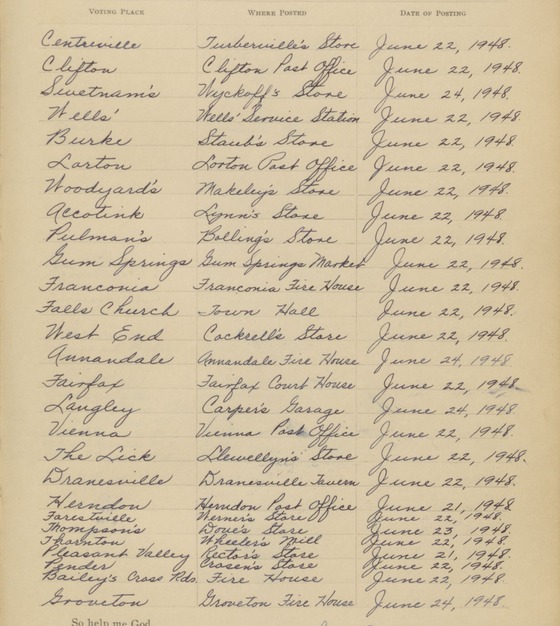 Fig. 3 Detail,1948 entry.\
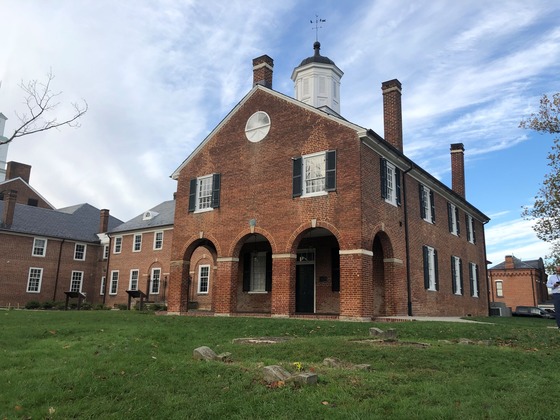
The Historic Courthouse was listed as a voting place for several years. Other locations include a “telephone pole” (Fig. 4), a “Chesnut Tree”, and an “old barn."
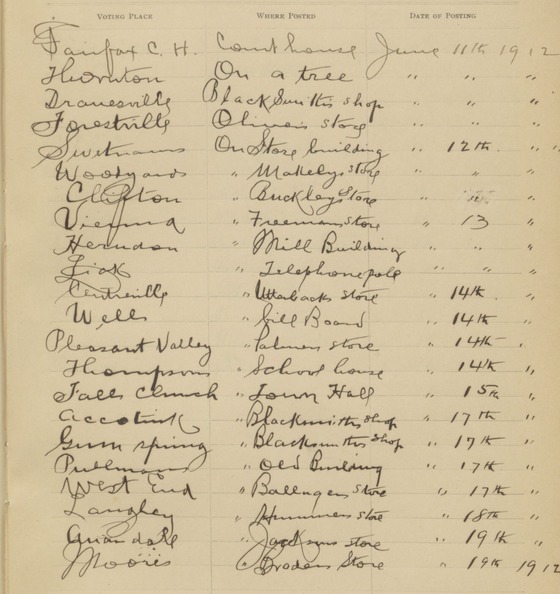 Fig. 4 1912 entry detail
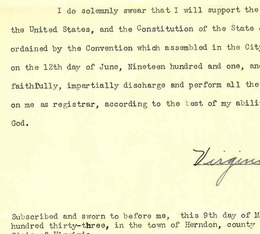
Poll taxes were paid so that an individual could vote. Virginia’s poll tax largely accomplished two things: it allowed the Commonwealth to earn revenue and disenfranchised individuals who were unable to pay the tax. The tax purposefully and disproportionally affected African Americans. A poll tax was also referred to as Capitation taxes. HRC holds books that show who paid this tax between 1911 and 1926. The lists categorize voters as “White” or “Colored,” and after 1920, women are included.
When the sheriff posted the list of those who had paid their poll tax, he was therefore posting who was eligible to vote in an upcoming election.
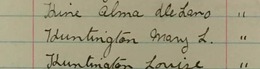
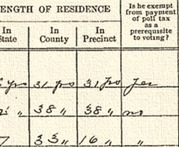
While the reason is not stated, the 1902-1903 voter registration that HRC has in the collection does show that some residents were exempt from the poll tax (Fig. 6). In Virginia members of the Armed Services were exempt. Other states allowed exemptions based on age and gender.
 |
|
Fig. 6 Detail, 1902-1903 Voter Registration. Last column “is he exempt from payment of poll tax as a prerequisite to voting?” |
In 1964, Annie E. Harper, Gladys Berry, Curtis Burr, and Myrtle Burr from Fairfax County would file a federal suit against the poll tax. Along with another suit, the poll tax was deemed unconstitutional in Harper v. Virginia Board of Election. In 2023, this case and these individuals were honored with a historical marker at the former home of Annie E. Harper in Gum Springs, Fairfax County.

Read more about
Fairfax County voting history in
past Found in the Archives
|