|
Fall 2025
6 Things to Know This Respiratory Season…
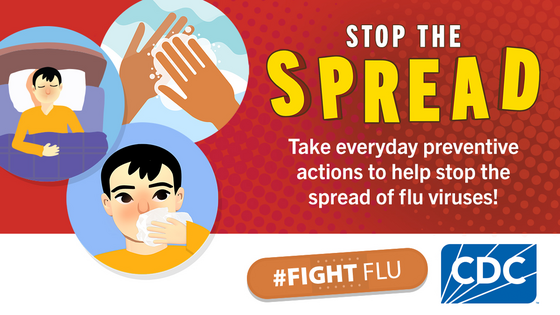 It’s a busy time of year — schools are back in session, fall activities are starting up, and many of us are settling into new routines. A little prevention now can mean fewer sick days, fewer missed events, and more time for the things you want to do. As we move into the fall respiratory illness season, now is the time to take simple steps to help you and those around you stay healthy.
Here are six important things families can keep in mind to keep students, staff, and our community healthy:
-
Wash your hands often. Encourage regular handwashing with soap and water, especially before eating and after blowing noses or coughing. Clean hands are a simple but powerful way to stop the spread of germs.
-
Cover coughs and sneezes. Teach kids to use a tissue or their elbow to cover coughs and sneezes. Remind them to wash hands right after.
-
Stay up to date on vaccines. Vaccinations are the single best way to prevent serious complications from respiratory illnesses. Talk with your healthcare provider about which vaccines are best for your child.
-
Keep kids home when sick. If your child has a fever, is coughing a lot, or isn’t feeling well enough to participate in school, it’s best to keep them home. They can return to school once their symptoms are improving and they’ve been fever-free for at least 24 hours without using fever-reducing medication. After returning, parents may choose to have them wear a mask at school and other indoor activities for 5 days to help protect classmates and teachers.
-
Consider getting tested. If your child develops respiratory symptoms, consider getting your child tested to see which virus they have — there may be medication that can help. At-home tests are available at pharmacies and grocery stores, and healthcare providers can also test for common respiratory illnesses.
-
Stay informed. Want to know what respiratory illnesses are going around? Check out the Fairfax County Health Department’s Respiratory Illness Dashboard to follow local flu, COVID, and RSV trends. It is updated every Tuesday afternoon. Visit CDC’s Influenza page for additional information.
Together, these small actions can make a big difference in staying healthy this fall.
Immunization Requirements: Are Your Child’s Immunizations Up to Date?

Please check with your healthcare provider as soon as possible to make sure your child is up to date on the immunizations required by the state of Virginia. Starting Tuesday, November 18, students who have not provided proof of immunization are at risk of exclusion from school.
- Visit the FCPS How to Submit Immunization Documents webpage for key steps to check your child's current immunization record and submit immunization documentation.
- Immunizations are available from your child’s healthcare provider, the Fairfax County Health Department, or other community resources. Visit our FCPS Immunization Resources webpage for information on immunization clinics and appointments.
-
Inova Cares Clinic for Families provides childhood immunizations for patients who qualify for Medicaid, FAMIS, Inova’s Financial Assistance Program, or are uninsured.
-
HealthWorks for Northern Virginia and Neighborhood Health also provide healthcare — including vaccinations — for children, families, and individuals, regardless of insurance status or ability to pay.
Find more information on immunizations.
Fairfax County Health Department to Rename Clinic Sites
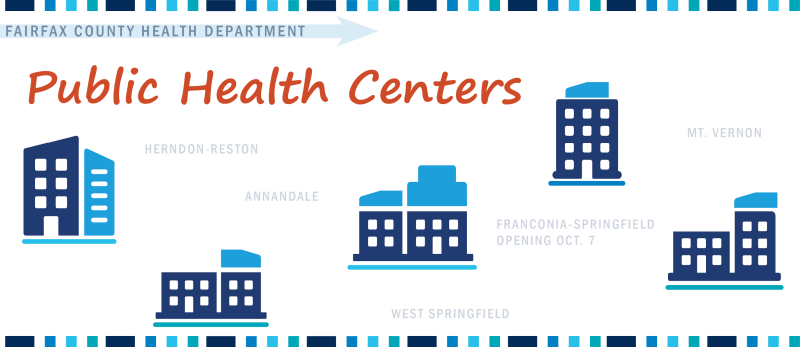
The Fairfax County Health Department is changing the name of its clinic sites to better reflect the services it offers to the community. Starting in October, the Health Department’s clinic sites will be renamed “Public Health Centers” instead of district offices.
The new name more accurately reflects the full range of services available, which include giving immunizations; testing for sexually transmitted infections (STI) and Human Immunodeficiency Virus (HIV) Tuberculosis screening; Women, Infant, and Children Nutrition Program (WIC); and vital records. It also conveys the sites’ purposes as locations for community residents and stakeholders to receive other public health information.
Beginning October 7, the Health Department clinic sites will be called:
- Annandale Public Health Center (APHC)
- Herndon-Reston Public Health Center (HRPHC)
- Mt. Vernon Public Health Center (MVPHC)
- West Springfield Public Health Center (WSPHC) “West” is being added to the Springfield name to clearly differentiate it from the new Franconia-Springfield Public Health Center opening October 7.
The Joseph Willard Health Center, located in the City of Fairfax, will temporarily close on October 1. The Franconia-Springfield Public Health Center, located across from the Springfield Town Center, will open October 7. Learn more about public health centers.
September is Attendance Awareness Month: Why Showing Up Matters
September is the perfect time to spotlight the importance of regular school attendance. Beyond academic success, consistent attendance plays a key role in a student's overall health and wellness.
The Benefits of Regular School Attendance
- Emotional Well-Being: Children thrive on routine. Attending school regularly helps them feel connected to classmates, teachers, and the school community. This sense of belonging helps to reduce feelings of anxiety or isolation.
- Healthy Habits for Life: Showing up on time and preparing for school each day teaches responsibility and builds life skills students will carry into adulthood.
- Physical Health: Being present means students participate in active learning, physical education, and health-based programs that promote fitness and well-being.
Small Steps, Big Impact
Practical steps can be taken at home to set the tone for strong attendance habits. Try the following:
- Establish a consistent bedtime and wake-up routine to ensure enough rest.
- Prepare school clothes, lunches, and backpacks the night before to reduce morning stress.
- Schedule medical and dental appointments outside of school hours when possible.
- Reach out to teachers, administration, or other school staff if challenges arise (whether health-related, emotional, or logistical). Read guidance on when to keep a child home due to illness.
Working Together to Achieve
When a student attends school regularly, they are healthier, happier, and better prepared to succeed at school and beyond! This September, let’s work together to build strong attendance habits that will have a lasting impact: Attend Today, Achieve Tomorrow!
October is Domestic Violence Month
The U.S. Department of Justice defines domestic violence as “a pattern of abusive behavior in any relationship that is used by one partner to gain or maintain power and control over another intimate partner.”
Domestic violence is abuse and may be physical, emotional, sexual, economic, or psychological. It is estimated that 1 in 4 women and nearly 1 in 10 men will be a victim of sexual violence, physical violence, and/or stalking by an intimate partner at some time during their lives. Domestic violence can happen to anyone; it is not limited to individuals of a certain race, religion, sex, gender identity, sexual orientation, education level, or socioeconomic background.
Survivors of domestic violence show increased rates of several negative health outcomes, including diabetes, chronic pain, depression, and frequent headaches. Domestic violence doesn’t just harm the person who is abused but also impacts family members, friends, co-workers, and the community. Children who live in a household where they witness domestic violence are predisposed to both social and physical problems. These children are more likely to be abused or to become abusive as they grow up.
Communities that promote peace and equity while speaking out against violence can be a protective factor against both the victimization and perpetration of domestic violence. Fairfax County has several events planned this month to raise awareness of domestic violence and promote a safe community. You can see the events on the Fairfax County website. In addition, you may wish to create a quilting block to add to the community quilt project. Visit the Community Quilt Project website to participate.
If you are a victim of domestic violence, help is available. Call the Fairfax County Domestic and Sexual Violence Hotline at 703-360-7273; TTY 711. If you are in immediate danger, call 911.
National resources include:
National Domestic Violence Hotline800-799-SAFE (7233)800-787-3224 (TTY)Advocates are also available to chat 24/7.
Love is Respect National Teen Dating Abuse Helpline
1-866-331-9474 or TTY 1-866-331-8453
Visit online to chat one-on-one with a support specialist.
Rape, Abuse & Incest National Network’s (RAINN) National Sexual Assault Hotline
800-656-HOPE (4673)
Visit rainn.org to chat one-on-one with a trained RAINN support specialist, any time 24/7.
National Center for Victims of Crime855-4-VICTIM (855-484-2846)
StrongHearts Native Helpline 844-762-8483
Many other online resources are available. Visit the CDC Intimate Partner Violence Prevention Resources page for information.
Electronics, Sleep, and Brain Health: Understanding the Correlation
During childhood and adolescence, the brain undergoes rapid growth and development. Learning and practicing healthy brain habits during childhood and adolescence contributes to long-term benefits because they are acquiring cognitive and social-emotional skills that shape their capacity for learning, future mental health, and are important for assuming adult roles in society.
Safe environments, nurturing relationships, adequate sleep, a healthy diet, and regular exercise all factor into promoting a healthy brain.
Sleep
Sleep plays a vital role in building and strengthening neural connections essential for healthy cognitive and psychosocial development. Adequate sleep helps regulate hormones, strengthens the immune system, and enables muscle and tissue recovery.
Conversely, inadequate sleep negatively impacts brain health, hindering critical functions such as decision-making, concentration, and memory. This lack of sleep can lead to increased impulsivity, emotional regulation issues, and a higher risk for mental health problems such as anxiety and depression.
The human sleep-wake cycle is a circadian rhythm that is based on sunlight. When it is bright outside, people are alert. When night arrives and skies darken, the body produces a hormone called melatonin that induces sleepiness.
Electronics
Smartphones, tablets, computers, television screens, and some e-readers give off short-wavelength blue light that is very similar to sunlight. Not only does this light make people more alert, it also deceives the body into thinking it is still daytime.
In response, the body produces less melatonin, interfering with the body’s natural sleep-wake cycle. The longer time spent on a screen, the greater the consequences for getting adequate sleep.
In addition, research has shown that excessive use of electronic devices can negatively affect a child’s development including dopamine overload, executive function skills, stress levels, myelin development (myelin is essential for a healthy nervous system), social skills, emotional development, impulse control, and perseverance.
Balancing Sleep and Technology for Healthy Brain Development
Tips for parents and caregivers:
- Recommended sleep durations (by age):
- 3–5 years: 10–13 hours (including naps)
- 6–12 years: 9–12 hours
- 13–18 years: 8–10 hours
- 18 years and above: 7 hours or more
-
Limit screen time:
- Under 2 years: Avoid screens (except video chatting).
- Ages 2–5: Max 1 hour/day of high-quality content.
- Ages 6+: Set consistent limits and monitor usage.
-
Establish tech-free bedtime routines:
- No screens 1 hour before bed.
- Keep devices out of bedrooms.
-
Encourage active use of technology: Choose apps and programs that are interactive, creative, and age-appropriate.
-
Prioritize sleep hygiene:
- Consistent sleep/wake times.
- Quiet, dark, cool sleep environment.
Resources:
https://centerforbrainhealth.org/about-us/youth-and-family-resources
https://www.nimh.nih.gov/health/publications/the-teen-brain-7-things-to-know
https://www.sleepfoundation.org/teens-and-sleep
FCPS Sleep Health Education
https://publications.aap.org/aapnews/news/6630
https://publications.aap.org/pediatrics/article/134/3/e921/74176/Insufficient-Sleep-in-Adolescents-and-Young-Adults?autologincheck=redirected
Daylight Saving Time Ends: The Gift of Sleep
With Daylight Saving Time coming to an end on Sunday, November 3, many are looking forward to the extra hour of sleep. But why is sleep so important?
While we rest, our bodies are hard at work. Sleep is crucial for:
- Muscle repair: Our bodies use sleep to mend muscles damaged during the day.
- Growth and development: Growth hormone is released during sleep, aiding in cell growth and repair.
- Immune system boost: Sleep helps our immune system fight infections.
- Energy replenishment: Our bodies recharge their energy stores for the next day.
- Brain function: Sleep helps our brains process and store information, solve complex problems, and improve memory.
The Consequences of Sleep Deprivation
Lack of sleep can have serious consequences, including:
- Difficulty concentrating
- Mood swings
- Reduced creativity
- Impaired learning ability
- Poor decision-making
- Slower thinking and processing
- Memory problems
- Trouble following instructions
- Motor skill difficulties
- Exacerbation of mental health conditions
- Increased risk of errors
How Much Sleep Do You Need?
Tips for Better Sleep:
- Consistent schedule: Go to bed and wake up at the same time every day.
- Relaxing environment: Keep your bedroom quiet, dark, and cool.
- Electronics off: Turn off electronic devices at least 30 minutes before bed.
- Light meals: Avoid heavy meals close to bedtime.
- Limit caffeine: Reduce caffeine intake in the afternoon and evening.
- Healthy lifestyle: Get regular exercise and maintain a balanced diet.
References:
HealthySleep (nd.gov)
Routines for Bedtime: Six Tips for Sleep Success | Family Services (fairfaxcounty.gov)
About Sleep | Sleep | CDC
https://www.sleepfoundation.org/how-sleep-works/benefits-of-sleep
Office of Food and Nutrition Services (FNS) Offers New Fall Menu

The Office of Food and Nutrition Services (FNS) introduced its new fall menu on September 15. Students can enjoy new lunch items like tomato grilled cheese, teriyaki chicken stir-fry with fried rice, and veggie chili, plus new breakfast favorites such as cinnamon apple overnight oats and egg and cheese breakfast quesadillas. View our complete list of menu offerings.
Did you know? Students are not required to take milk at breakfast or lunch. FNS created short educational videos to help elementary students and staff learn how to build their tray their way.
Stay connected with FNS on Facebook (FCPS Food & Nutrition Services) and Instagram (@fcps_foodandnutritionservices) for updates on how FNS supports the health and nutrition of FCPS students all year long.
Grab Your Walking Shoes; Walktober is Coming!
Get ready to put on your walking shoes- Walktober returns October 1 to 31!
Join this fun 4-week step challenge made just for FCPS staff. It’s a great way to stay active, feel motivated, and connect with others. Enjoy the fresh outdoors, crisp fall air, and vibrant colors while building healthy habits.
Want some friendly competition? Whether you’re a seasoned walker or new to the challenge, Walktober is for you! Join as an individual or with a team, track your progress on the leaderboard, complete healthy behaviors, and earn chances to win prizes.
How it Works:
- Aim for 6,000–10,000 steps a day to grow your Walktober tree and earn points.
- Goal: Collect 20 leaves in 31 days.
- Use a tracking device, log manually, or add exercise minutes that convert to steps.
- Choose from 140+ Walktober activities or use the Step Converter for cycling, swimming, etc.
- Complete Thrive Thursday challenges for 1 bonus point per team member each week.
- Earn badges for reaching Walktober milestones.
Visit https://fcps.walktober.com/ to register.
SY2024-25 Wellness Reporting Tool Results Posted
FCPS’ Local Wellness Policy and Regulation (2100 Student and Staff Wellness) sets forth visionary, yet measurable and achievable goals that encourage continual progress and the advancement of a long-term, sustainable culture of improved health and wellness throughout the division.
Every school in FCPS is required to report annual progress toward the implementation of the wellness policy. The intent of reporting, as required by the Healthy, Hunger-Free Kids Act (HHFKA) of 2010, is to support schools in establishing and maintaining healthy school environments and provide transparency to the public.
As part of the requirements of Regulation 2100:
- Schools shall develop and establish a school-based wellness committee to implement activities that promote school and community health and to support the wellness reporting requirements.
- Each school and department will identify one staff wellness liaison and two wellness committee representatives to support the wellness policy.
- Principals will identify three staff members to serve as members of their school’s Wellness Committee as described in Actiongram #17.
FCPS Wellness Reporting for School Year 2024-25 is now available for review.
|