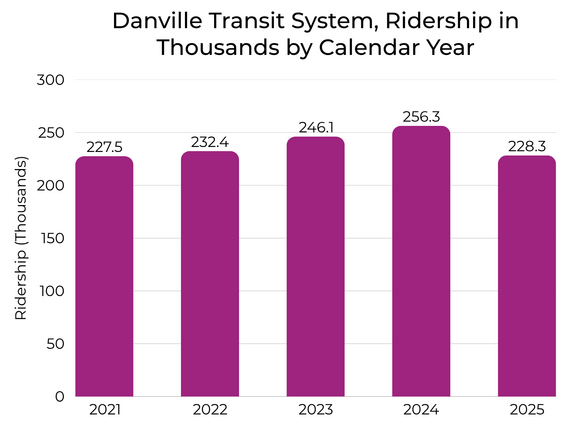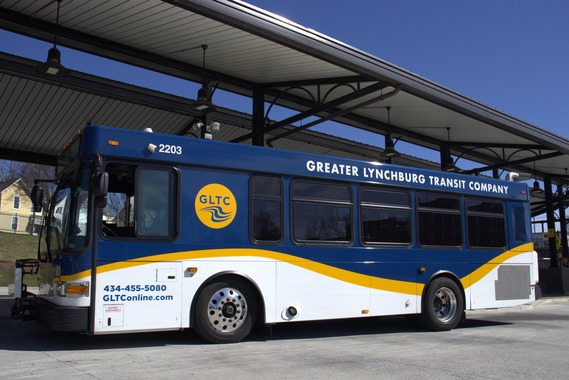
Greater Lynchburg Transit Company
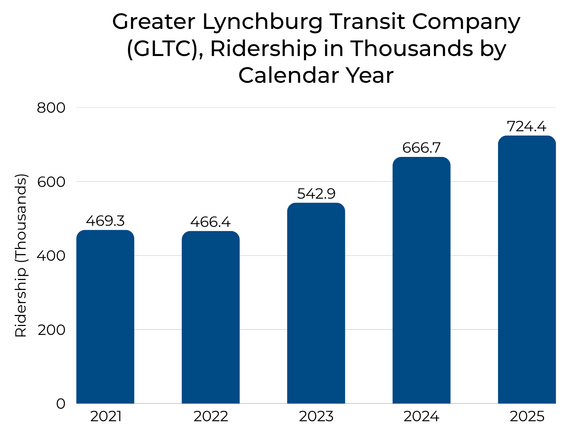
North of Altavista on the James River lies Lynchburg, Virginia’s Hill City. The Greater Lynchburg Transit Company (GLTC) provides public transportation for Lynchburg, with some of its services extending into neighboring Amherst and Campbell Counties. GLTC operates fixed-route services, paratransit, as well as microtransit through its GLTC FLEX services. GLTC’s Kemper Street Transfer Station provides seamless connections to other local bus routes, the adjacent Lynchburg Amtrak Station with three Amtrak round trips a day, as well as the Virginia Breeze’s daily Piedmont Express route. Additionally, via the GLTC FLEX service area, travelers can take GLTC service to the Lynchburg Regional Airport. GLTC is the largest transit agency in terms of ridership in this month’s Data Story, providing nearly three quarters of a million trips in 2025. The chart below shows GLTC’s ridership over the past five calendar years:
 Farmville Area Bus
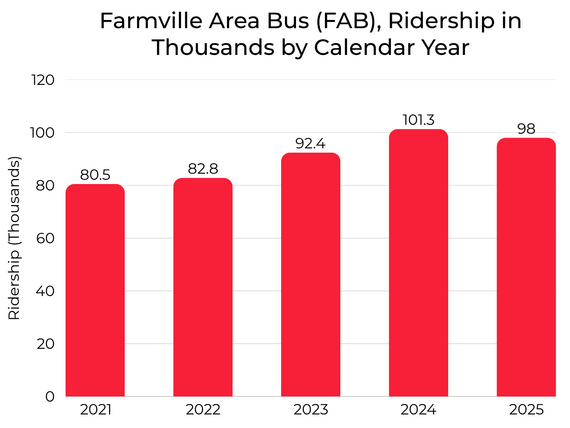
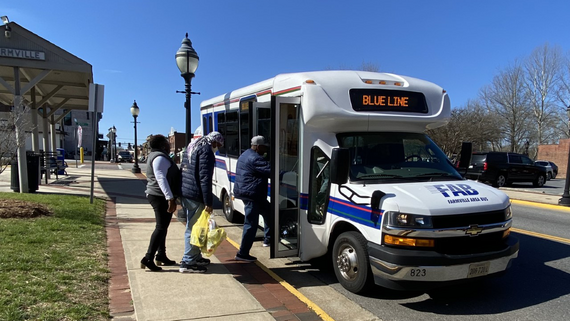 Going east from Lynchburg along route 460 brings you to the Town of Farmville, home of Longwood University, the High Bridge Trail, and Farmville Area Bus! Farmville Area Bus, or FAB, is a division of the Town of Farmville and supported by Longwood University, providing both fixed-route and demand response transit. In addition to local routes, FAB operates the Prince Edward County Transit bus lines into neighboring Prince Edward County. Four of FAB’s routes connect with the Virginia Breeze’s Capital Connector route, providing a connection to Richmond and Washington D.C. FAB’s services help connect tens of thousands of people every year. The chart below shows FAB’s ridership over the past five years:
 Lake Area Bus / Halifax Area Rural Transportation
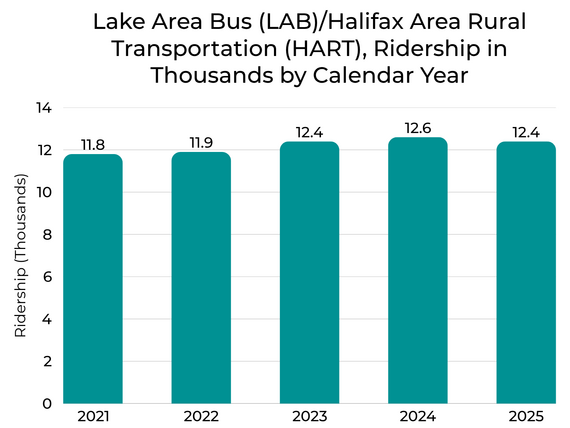
Along Virginia’s southern border with North Carolina is Virginia’s Lake Area, comprising Brunswick, Halifax, and Mecklenburg Counties. The Lake Country Area Agency on Aging (LCAAA), a senior services organization, provides public transportation services in the area. LCAAA operates two demand-response bus systems to citizens of any age, not just senior citizens. The first is the Lake Area Bus (LAB), operating in the Towns of South Hill, La Crosse, and Brodnax. The second is Halifax Area Rural Transportation (HART), operating in the Towns of South Boston and Halifax. These transit services combine to get thousands of area residents where they need to get every year. The chart below shows Lake Area Bus & Halifax Area Rural Transportation’s ridership for the past five years:
 Blackstone Area Bus System (BABS)
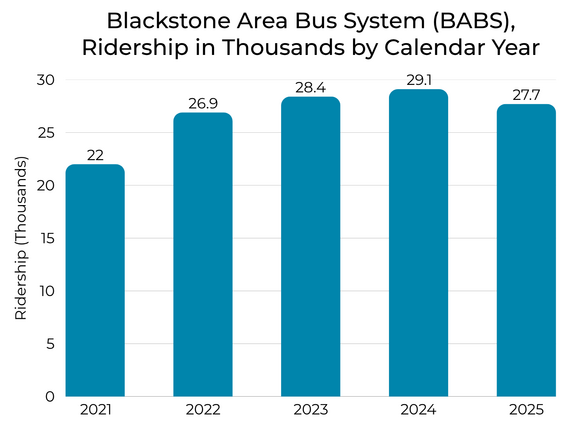
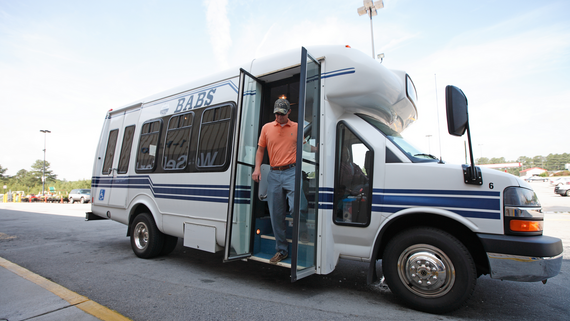 Next is the Blackstone Area Bus System (BABS), which operates public transportation over a large area beyond just Blackstone. BABS, as its name suggests, is centered in the Town of Blackstone in Nottoway County, but its service area extends from Dillwyn in the North, Lawrenceville in the South, Keysville and Farmville to the west, and into Petersburg in the east, providing transit to six towns and seven counties. BABS operates seven deviated fixed-route services through its service area, providing transportation for thousands of people every year. The graph below shows BABS’ ridership over the past five years:
 Bedford Otter Bus
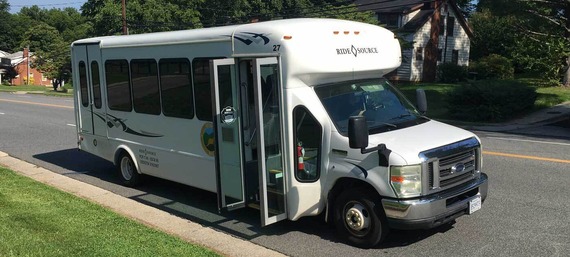
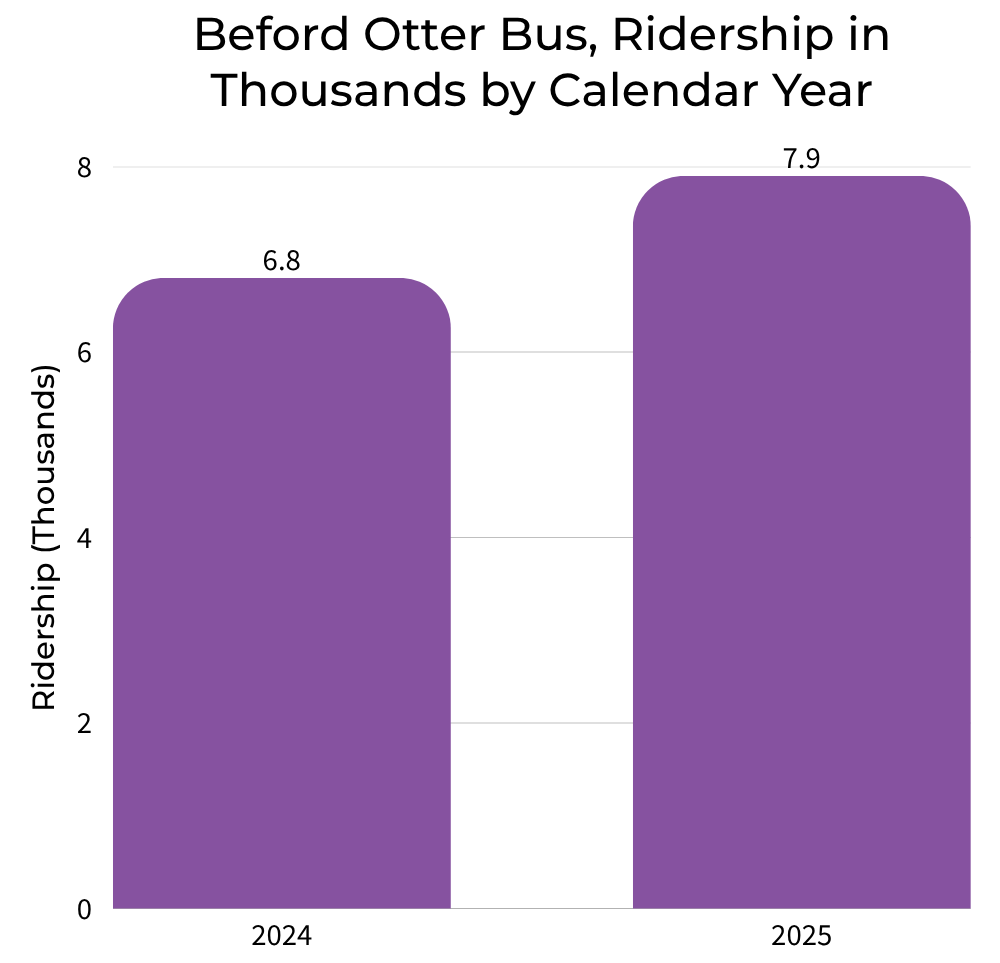
Last but certainly not least is Virginia’s newest public transportation provider: the Bedford Otter Bus. Bedford Otter Bus began operations in 2021 as a partnership between the Town of Bedford and the Bedford Community Health Foundation, after a pilot program before the pandemic demonstrated the value of having a local community transit system. Funded with a DRPT demonstration grant starting in 2022, the Otter Bus has since become a regular public transit provider, being funded by DRPT’s Statewide Operating Assistance for the first time starting in FY 2027. Because of how new the Otter Bus is, DRPT only has two full calendar years of ridership data. So, the graph below shows Bedford Otter Bus’s ridership for the two full calendar years DRPT has data for... so far!
 Transit Connects Our Communities
Public transportation from Lynchburg and Southside Virginia reflect the region’s diverse geography, from urban hubs and rural towns to university communities and interstate links. Together, these systems form a network that reduce congestion, improve economic access, and helps residents reach jobs, healthcare, education, and essential services, and into communities beyond.
|