|
Welcome to the Department of Rail and Public Transportation’s Data Stories, and thank you for signing up! This monthly series aims to find the narrative in data DRPT collects and uses, highlighting Virginia’s rail and transit community. Last month, DRPT staff attended the State of Transit, hosted by our friends at Hampton Roads Transit, Suffolk Transit, and Williamsburg Area Transit Authority. That event inspired us to spotlight the range of transit in each region throughout the Commonwealth, starting in the Tidewater region – and beyond!
Transit in Tidewater (and beyond)
The Tidewater region (and beyond) of Virginia has perhaps some of the most interesting public transit in the entire Commonwealth. This region has both some of the smallest and largest transit agencies in the Commonwealth. The six public transportation providers covered in this Data Story each serve their communities in unique ways.
Notes and definitions:
Before getting into the Data Story, there are a few notes to cover.
DRPT will use the VDOT construction districts as the regional divisions for Virginia. VDOT construction districts are named after the locality (or general area) where its regional office headquarters are located. DRPT’s Six-Year Improvement Program breaks down grants and funds by VDOT construction districts for organizational purposes. For this Data Story, the Tidewater region and beyond is inclusive of the Hampton Roads VDOT Construction District. The construction district extends all the way from the Eastern Shore to Greensville County, hence why the “and beyond”. Also, by using this definition, DRPT will not leave out any transit agencies whose service area is not strictly tied to a specific region.
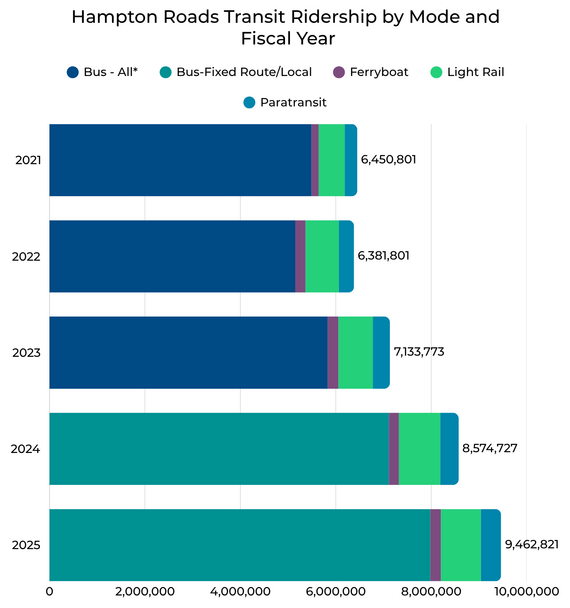
This Data Story breaks down transit ridership by mode. Transit mode refers to the method or means of transportation, such as what vehicle was used for public transportation. This Data Story includes the following modes:
· Bus – All*
· Bus – Demand Response
· Bus – Fixed Route/Local
· Ferryboat
· Light Rail
· Paratransit
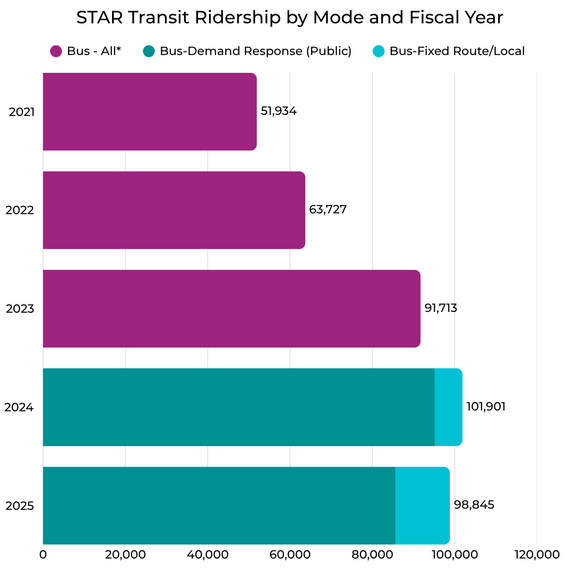
*Beginning in fiscal year 2024, DRPT began to differentiate bus ridership by specific service type, breaking out commuter bus, demand response bus, and fixed/route bus from the prior “bus-all” definition.
With that out of the way, now we can take a look at each of the transit providers. Starting from the smallest transit provider in Virginia
 The Pony Express
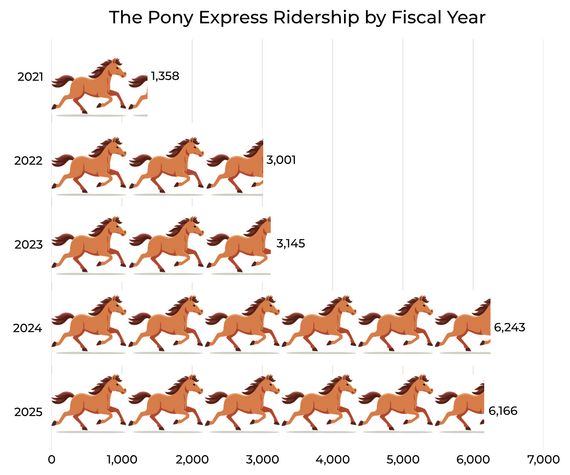
Operated by the Town of Chincoteague, the Pony Express is a seasonal public transportation bus that provides local transit services during the peak tourist season using small trolleybuses. While the Pony Express is Virginia’s smallest transit provider by ridership and service days, it certainly pulls its weight, with its ridership doubling between fiscal year 2023 and 2024. The chart below shows the Pony Express’ ridership over the past five fiscal years:
Greensville-Emporia Transit
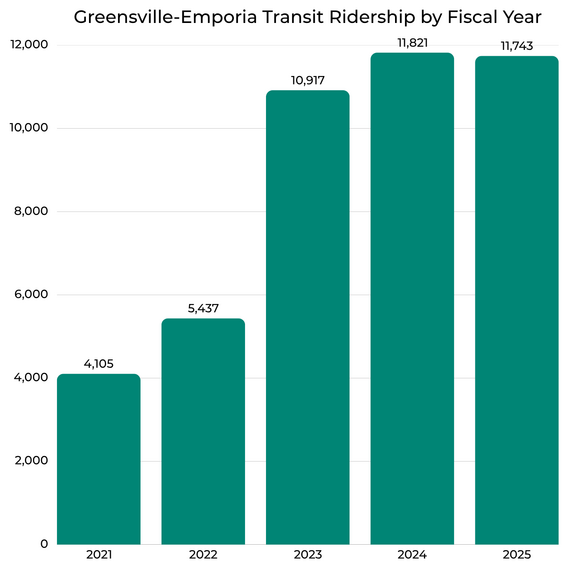
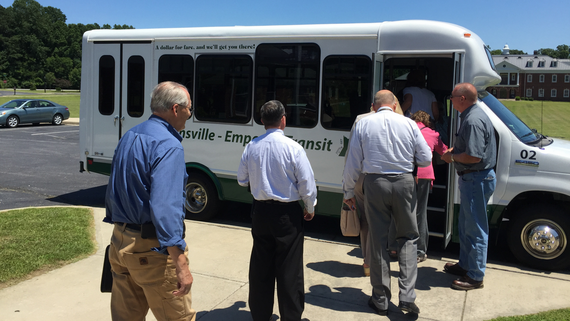 Up next is Virginia’s newest transit agency: Greensville-Emporia Transit (GET). GET started operations in 2017. As the name suggests, GET operates in Greensville County and the City of Emporia, providing local transit to major destinations in the two localities. As a new transit agency, GET has expanded its services in recent years, recently adding four new buses to its fleet with DRPT support. Partially thanks to this added capacity, GET’s ridership doubled between fiscal years 2022 and 2023. The graph below shows GET’s great ridership growth over the past five fiscal years:
 STAR Transit
One of the stars of this Data Story is STAR Transit, the main public transit provider for Virginia’s eastern shore. Unlike their neighbors the Pony Express, STAR Transit operates year-round with weekday bus service in both Accomack and Northampton County. Accomack-Northampton Transportation District Commission operates STAR Transit by providing both conventional fixed route/local bus service and public demand-response transit. The chart below shows the growing demand for STAR Transit’s services, by ridership over the past five fiscal years:
 Suffolk Transit
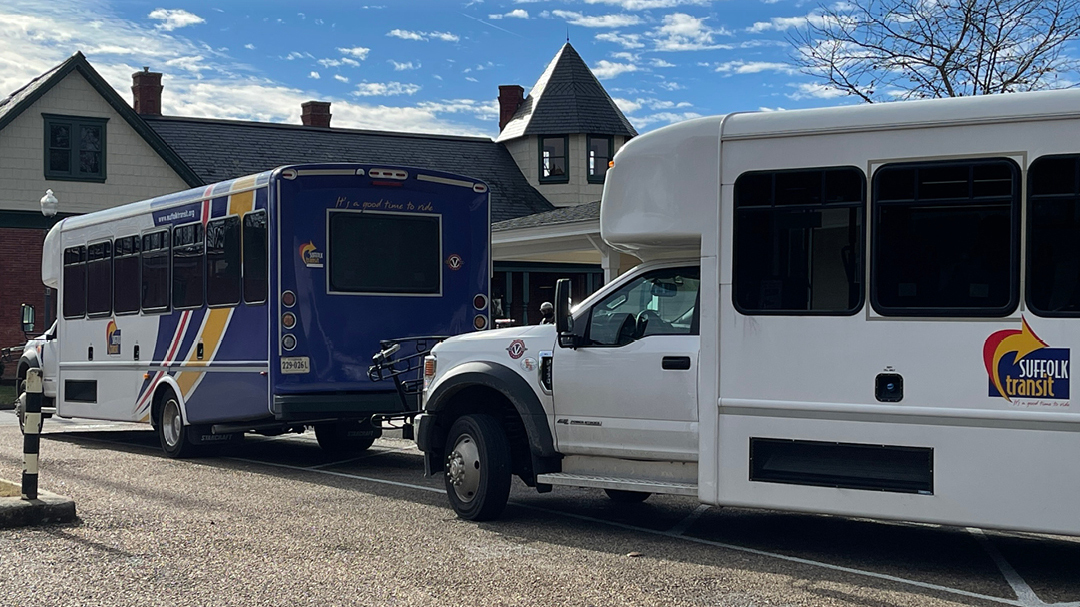 Suffolk Transit is the public transportation provider for, as the name suggests, the city of Suffolk as a division of the city government! Suffolk Transit is among the newer public transportation agencies in Virginia, having been created in 2012 after breaking off from
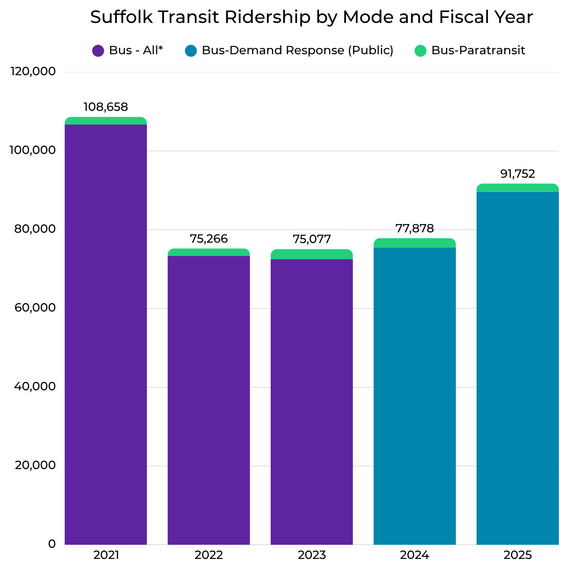
Hampton Roads Transit. Suffolk Transit operates six fixed-route bus routes, in addition to paratransit services. The chart below shows Suffolk Transit’s ridership over the past five fiscal years:
 Bay Transit
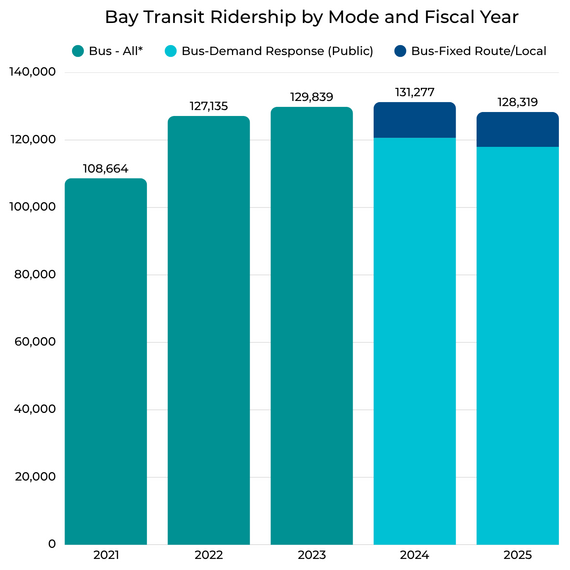
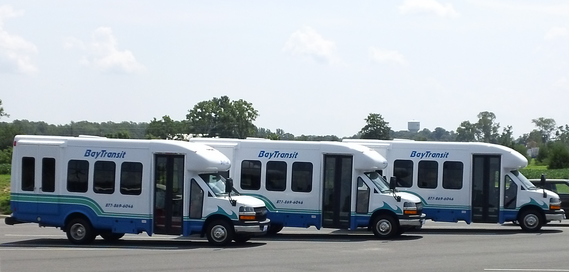 Bay Transit, operated by the non-profit organization Bay Aging, provides demand-response, fixed-route, and microtransit services in one of the largest transit service areas in Virginia. Bay Transit operates transit services in over a dozen cities and counties, stretching across the Northern Neck, Middle Peninsula, and into the greater Richmond and Hampton Roads regions. The chart below shows Bay Transit’s ridership over the past five fiscal years:
 Williamsburg Area Transit Authority
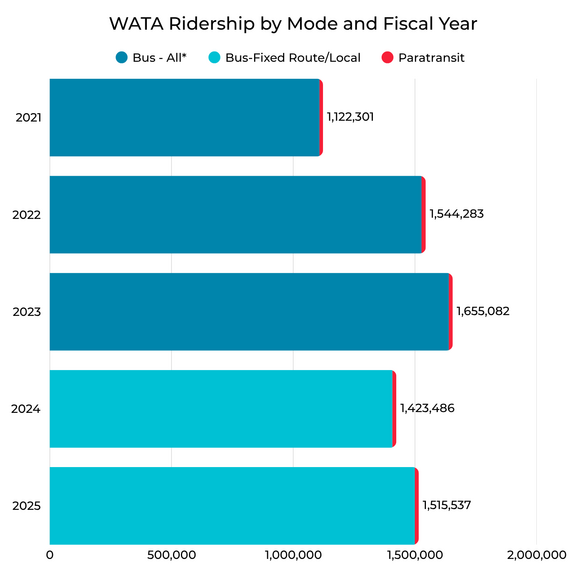
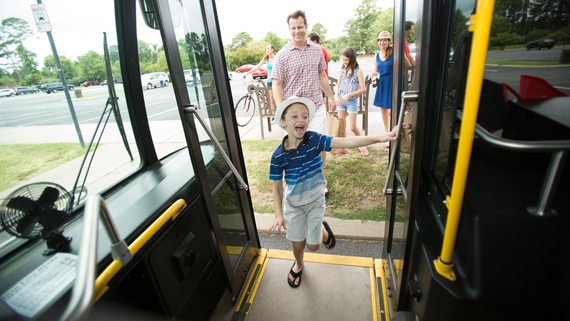 The scale of transit agencies is going up with this next transit provider. The Williamsburg Area Transit Authority, or WATA, is the public transportation provider in Williamsburg, James City County, and York County. WATA operates fixed route and paratransit services throughout its service area. Additionally, WATA provides the transit services that serve historic sites in the area, like the Route 15 Colonial Williamsburg Route, and the Yorktown Trolley which connects to the Yorktown Battlefield. The chart below shows WATA’s ridership over the past five fiscal years:
|