|
A Note from the Director’s Desk: Our Story Begins
Dear Friends,
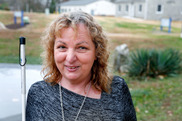
Welcome to the inaugural edition of VRCBVI Voices, the brand-new newsletter from the Virginia Rehabilitation Center for the Blind and Vision Impaired (VRCBVI.) With immense pride and anticipation, we bring you this first issue-not simply as a collection of updates or announcements, but as the heartbeat of a living, breathing story. It is a story of resilience, learning, empowerment, and transformation.
A Native American proverb says: “It takes a thousand voices to tell a single story.” In that spirit VRCBVI Voices is born. Often, the experiences, triumphs and unique journeys of those who are blind or vision impaired have been shared in fragments, through service updates, reports or in passing. Now we’re weaving those voices together into a unified narrative that reflects who we are, our stand, and where we are going.
At VRCBVI every student, staff member, partner, and graduate is a vital voice in that story. This newsletter is our way of amplifying those voices-loudly and proudly-so that the world can hear not only what we do, but why we do it.
This newsletter is a conversation. We invite you to read, reflect, share, and contribute. Your voice matters. Whether you’re someone exploring services, a family member seeking support, a professional in the Field, or a proud member of our alumni community, you are part of this story.
Thank you for being here at the start. We can’t wait for you to hear what’s next.
With vision and purpose,
Melody Roane, Director
Virginia Rehabilitation Center for the Blind and Vision Impaired
|
Kristopher Crawley’s Journey from Student to Leader
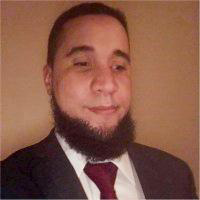
In 2013, Kristopher Crawley came to the Virginia Rehabilitation Center for the Blind and Vision Impaired (VRCBVI) feeling unsure about what was ahead. Today, he is the new Assistant Director at SAAVI Services for the Blind in Phoenix, Arizona. He’s also a published writer in the Braille Monitor. His story shows how believing in yourself and working hard can lead to big changes.
Kristopher says his time at VRCBVI changed his life. “I didn’t know what to expect—about being blind, about the training, or even about myself,” he said. “But something changed. I didn’t just learn how to use a cane or travel with learning shades. I learned to think in a new way.”
He realized that being blind wasn’t the problem—it was the low expectations he had for himself. Once he changed how he thought, everything else started to change too. He left VRCBVI with new skills and a new goal: to help others grow the same way he did.
Kristopher also shares his ideas with people across the country. His first article, Living by Standards: When Blindness Isn’t the Limitation, was published in the Braille Monitor in July. In it, he talks about how important it is for blind people to believe in themselves and aim high—not because they have to, but because they can.
Now, as he and his wife get ready to welcome their sixth child, Kristopher still thinks about how far he’s come. “Every chance I’ve had started with the mindset I learned in Virginia,” he said. “I use those lessons every day.”
|
|
|
Living Well with Vision Loss: Highlights from the LIVE Program
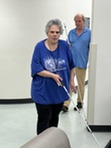
This August, VRCBVI held two special five-day programs for adults 55 and older who are blind or vision impaired. The program, called LIVE, helped people learn useful skills like cooking, using technology, and getting around safely. Guests also learned about healthy eating, diabetes, and staying active. Along with learning, they had fun and made new friends. Many brought loved ones, which made the experience even more special.
|
|
LIFE at VRCBVI: Where Independence Meets Adventure!
This summer, the 2025 LIFE Program (Learning Independence, Feeling Empowered) brought together teens who are blind or vision-impaired from all over Virginia for four amazing weeks of learning and fun!
Students went whitewater rafting, climbed high ropes, and laughed during improv nights. They cooked meals, learned how to travel safely, and showed that being independent is not only possible—it’s powerful!
Some students even had internships at places like WTVR CBS 6 and the Science Museum of Virginia. They also enjoyed movie nights and made great new friends.
LIFE 2025 was more than just a program—it was an adventure! Check it out for yourself!
|
|
Join the Fun at the 2025 Ability Fest!
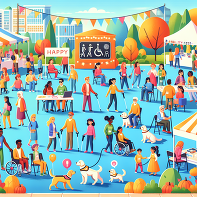
Join Us for the 2025 Family & Friends Ability Fest!
Come have fun at the Virginia Rehabilitation Center for the Blind and Vision Impaired on Saturday, October 18, from 9:30 AM to 3:00 PM at 401 Azalea Avenue in Richmond. This special event is all about bringing people together, learning new things, and having a great time!
There will be fun workshops, hands-on activities, cool technology to try out, and a big resource fair. You’ll get free lunch, chances to win prizes, and time to make new friends. Whether you want to learn something new or just enjoy the day with others, this event is for you!
|
Questions? Contact Lloyd Dunnavant at 804-371-3204 or Lloyd.Dunnavant@dbvi.virginia.gov.
Excitement Builds as VRCBVI Welcomes 24 Students to Fall Adult Program
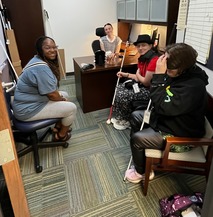
The Virginia Rehabilitation Center for the Blind and Vision Impaired (VRCBVI) is full of excitement as 24 adult students begin their journey in the Fall Adult Program. This program helps people who are blind or vision impaired learn important skills to live on their own and reach their personal and work goals.
Over the next several months, students will learn how to travel safely, use helpful technology, read Braille, take care of daily tasks, and get ready for jobs. They’ll also build confidence, make friends, and learn how to speak up for themselves.
From the start, students have shown they’re ready to work hard and grow. With the help of caring teachers and staff, they’re already making great progress. Stay tuned for more updates as they continue their journey!
|
CoPilot to Pilot
Friday, November 14 at the Virginia Rehabilitation Center for the Blind and Vision Impaired (VRCBVI)
Are you in middle or high school and wondering what comes after graduation? Join us for a fun and helpful event called “What to Expect After Graduation.” It’s made for students in grades 8–12, their families, and Teachers of the Visually Impaired (TVIs).
You’ll learn about college, jobs, and how to live on your own. You’ll also get tips, tools, and support to help you feel ready for the future.
More information to follow What Happens After Graduation
Tips From the Team
Holiday Treat: No-Bake Pumpkin Cheesecake Cups

Looking for a quick, crowd-pleasing dessert that captures the cozy flavors of the season—without turning on the oven?
Why You'll Love Them:
No oven required—perfect for busy kitchens!
Easy to portion—great for individual servings.
Festive flavor—pumpkin spice and creamy cheesecake in every bite.
Ingredients:
1 (8 oz) package cream cheese, softened
1 cup canned pumpkin
1 tsp pumpkin pie spice
½ cup sugar
1 (8 oz) tub whipped topping
6–8 graham crackers, crushed
Optional: chopped pecans or a sprinkle of cinnamon for topping
Directions:
Blend cream cheese, pumpkin, sugar, and pumpkin pie spice until smooth.
Fold in half of the whipped topping until fully combined.
Layer crushed graham crackers into the bottom of small cups or bowls.
Spoon in the pumpkin cheesecake mixture.
Top with the remaining whipped topping and garnish with pecans or cinnamon if desired.
Chill for at least 1 hour before serving.
These little cups of joy are sure to be a hit—whether you're celebrating Thanksgiving, Friendsgiving, or just the joy of fall flavors!
|
Access Technology Spotlight: New Tools Helping the Blind Community
Be My Eyes – Virtual Volunteer
The Be My Eyes app now has a powerful new feature called the Virtual Volunteer, powered by OpenAI’s GPT-4. This tool lets users send pictures and get detailed descriptions right away. It’s great for reading labels, recognizing objects, or finding your way in new places.
OrCam MyEye
OrCam MyEye is a smart device that clips onto any pair of glasses. It helps users by reading text out loud, recognizing faces, and identifying products. It gives people more freedom at home and when they’re out and about.
Smart Navigation Tools
Apps like Wayfinder and NavCog are changing how people who are blind and low vision travel. These apps give spoken directions for both indoor and outdoor spaces, making it easier and safer to get around.
|
Easy Guide: How to Make a Laundry Room Work Better for People who are Blind or Vision Impaired
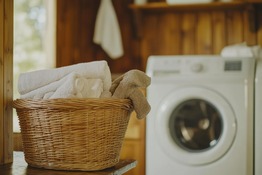
This guide gives simple steps to help make a laundry room safe and easy to use for people who are blind or vision impaired.
Step 1: Add Touch Labels
- Put Braille or raised (bumpy) labels on:
- Washing machines and dryers
- Bottles of soap or softener
- Bins or baskets
- This helps people feel what things are without needing to see them.
Step 2: Use Bright, Easy-to-See Markings
- Put bright color stickers or tape on buttons and dials.
- Pick colors that stand out, like:
- White on black
- Yellow on dark gray
- This helps people with low vision see things more clearly.
Step 3: Keep the Room Neat and Simple
- Always keep things in the same place.
- Clear the floor so there is nothing to trip over.
- Don’t move things around too much.
Step 4: Make the Lighting Comfortable
- Use bright lights that don’t shine too much or hurt the eyes.
- Try to reduce glare from windows or shiny surfaces.
- Good light helps people with some vision see better.
Step 5: Keep Supplies Easy to Reach
- Put things like soap, softener, and dryer sheets:
- On shelves that are not too high or too low
- In labeled baskets or bins to keep them organized
|
Looking for an Engaging Speaker?
Bring insight, inspiration, and impact to your next meeting or event with a speaker from the Virginia Rehabilitation Center for the Blind and Vision Impaired. Our team brings lived experience, professional expertise, and a passion for empowering individuals who are blind or vision impaired.
Book a speaker today!
Email Lloyd Dunnavant at Lloyd.Dunnavant@dbvi.virginia.gov
|
|
© Virginia Department for the Blind and Vision Impaired |
|
|
|
|