|
|
|
|
|
|
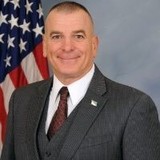 Retired Sgt. Maj. Bryan B. Battaglia, who served 36 years in the Marine
Corps, including more than four years as the senior enlisted adviser to
the chairman of the Joint Chiefs of Staff (2011-2015). is now a Special Advisor to the United State World War I Centennial Commission. Writing in a guest editorial published in Military Times, Battaglia takes a look at how the experience of the Marine Corps in the Great War was the crucible that formed the Marines as we know them today; in particular, the epic battle at Belleau Wood. Read his entire historical analysis.
|
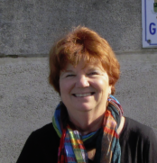 The WW1CC is thrilled to have a new
volunteer member on board to help us! Betsy Anderson will be our
Volunteer Coordinator, and will manage the contributions from our
various friends, who help us with event planning, social media writing,
photography, partnerships, administrative issues, etc. She is an amazing
person, with a fascinating background, and she comes from a family who
was deeply touched by World War I. Betsy took some time to tell us a
little bit about her story. Do you have an interest in America in World War I, and some time available? Sign up here to be a volunteer for the World War One Centennial Commission. Going to college and looking for a great internship opportunity in Washington, DC? Look into the Commission intern program.
|
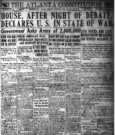
In
this column, members of Georgia Humanities and their colleagues take
turns discussing Georgia’s history and culture, and other topics that
matter. Through different voices, we hear different stories. This
week, Tom Jackson, Georgia World War I Centennial Commission, and Laura
McCarty, of Georgia Humanities, examine the changes World War I brought
to Georgia and efforts across the state to commemorate the war. Read what they had to say.
|

The Pennsylvania section of the U.S. World War One Centennial Commission web site has a tremendous page of Articles and Resources specifically focused on the experiences and contributions of Pennsylvania during Great War. Whatever kind of research you are doing that involves PA and WWI, this is a great place to start.
|
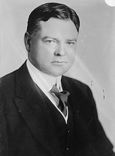
Though,
in general, the western states were less motivated to get into the war
than Americans in the east, there were many philanthropic efforts in
California to help the victims of the war long before the U.S. declared
war. One
California magnate, whom had been orphaned at nine years of age, knew
well what it was like to be without. But, he had early on made a success
of himself and his name was known where he owned offices around the
world. In August of 1914, when World War I
broke out, Stanford graduate and mining success Herbert C. Hoover had a
heart for the victims and orphans of the war, and turned
philanthropist. Read the whole story of Hoover's good deeds here.
|
 This week in the 100 Cities / 100 Memorials blog, we are soliciting volunteers to help us keep up with the submissions for the National WW1 Memorial Register.
Read a bit more about what is perhaps a last, best, chance to create a national record of this fading American cultural heritage.
If you have some time to offer, read about how you can help.
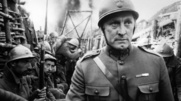 To mark next week's historical election in France, the post comes from blog curator, Jennifer Orth-Veillon, who discusses post-WWI French censorship of Film and literature that portrayed overly-negative images of the war.
The film, Paths of Glory, by Stanley Kubrick as well as Gabriel Chevallier 's book, Fear, were considered threats to France's vision of patriotism and triumph after the Armistice of 1918.
Read the post in the WWrite blog
AND If YOU have a news item regarding WWI and writing, please contact the blog's currator: jennifer.orth-veillon@worldwar1centennial.org.
|

|
|
|
|
A Story of Service from the Stories of Service section of ww1cc.org
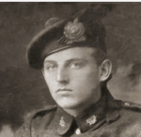 Submitted by: Thomas Morgan
In the Summer of 1917, Canadian Lieutenant Colonel P. A. Guthrie, a
commander in the famed Black Watch Regiment, was evacuated from the
front line of combat in Germany after sustaining injuries from nearly
being hit by an artillery shell. While recovering, he traveled to New
England to recruit Americans to fill the places of his men lost in
combat.
Milton K. Rigby of Rhode Island, and 1000 other New Englanders
answered Guthrie’s call to service and on July 17th 1917 swore an oath
to the king to defend the British Commonwealth and her allies. He was
assigned to the 236th MacLean Kilties but was transferred to the 42nd
Battalion, 3rd C.E.F. Division, along with other American Kilties, to
form a joint Canadian, British and American unit under the command of
the Black Watch.
|
|
|
|
|