|
You need a BOC before sending a refund to VA
|
|
VA no longer accepts unsolicited overpayment refunds. This means that community providers must have a valid bill of collection (BOC) before sending refunds to VA.
If VA identifies an overpayment, a BOC and notice of indebtedness will be issued with payment instructions. If you identify a VA overpayment, call 877-881-7618 to initiate a BOC. Do not submit payment until you receive this notice with payment instructions.
All payments to VA must be made electronically through Pay.gov using the instructions provided in the notice of indebtedness letter. Physical checks sent to VA will be returned.
If you need help with BOCs, notices of indebtedness, payment offsets, fees, or debt resolution, contact:
VA Community Care Customer Service at 877-881-7618, M–F, 8 a.m.–9 p.m. ET.
|
|
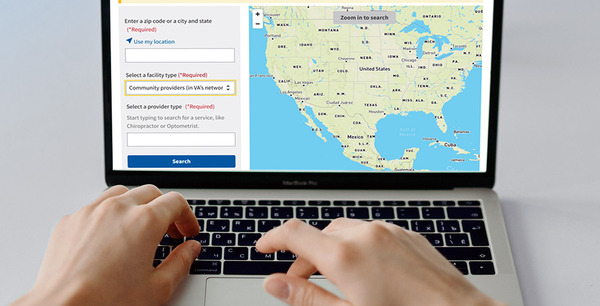
Take a moment to check your address and contact information in the VA provider locator. Accurate details help ensure timely referrals, prevent payment issues, and ensure claims are handled smoothly.
If you notice anything outdated or incorrect, let your third-party administrator (TPA) know right away. If you have a Veterans Care Agreement (VCA) or local contract with VA, contact your nearest VA facility to update your information.
|
|
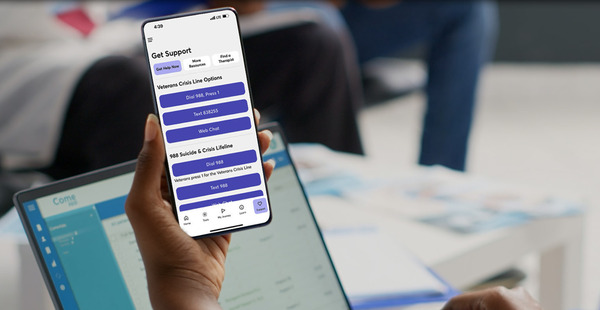
If a Veteran you care for has made a suicide attempt, shared thoughts of suicide, has a mental health condition that increases suicide risk, or may be at risk for suicide, encourage them to use the VA Safety Plan app.
The app gives Veterans simple steps they can follow when they start to feel overwhelmed. It walks them through warning signs, coping strategies, supportive contacts, and ways to stay safe.
If a Veteran needs immediate help, they can contact the Veterans Crisis Line by dialing 988 then pressing 1, texting 838255, or visiting VeteransCrisisLine.net/Chat.
|
|
Opioid safety for Veterans with chronic pain (required)
This required course promotes evidence-based techniques to improve patient outcomes for Veterans with chronic pain and decrease complications associated with opioid prescribing. The web-based training is suitable for pharmacy professionals, physicians, and other clinicians.
Preventing suicide through lethal means safety and safety planning (recommended)
This course provides lethal-means safety training and resources for mental health and suicide prevention clinicians. The web-based training is suitable for mental health professionals, physicians, and nurses.
Location: VHA TRAIN
Credit/hours: One (1)
Accreditations: ACCME, ACCME-NP, ANCC, APA, NBCC, ASWB, JA IPCE, NYSED SW, NYSE DP
Skills training for evaluation and management of suicide (recommended)
This course provides training on how best to use VA clinical practice guidelines for suicide risk assessment and management among Veterans. The web-based training is suitable for mental health professionals, physicians, and nurses.
Location: VHA TRAIN
Credit/hours: One (1)
Accreditations: ACCME, ACCME-NP, ANCC, APA, NBCC, ASWB, JA IPCE
|
|
Understanding military culture in PTSD treatment
Understanding military culture is key to caring for Veterans with PTSD. This course explains how military culture shapes assessment and adherence to treatment. It’s suitable for mental health professionals, social workers, and health care professionals.
Location: VHA TRAIN
Credit/hours: One (1)
Accreditations: APA, ASWB, NYSED SW, NYSEDP
Women Veterans in substance use disorder care
This recorded video provides an overview of the population health impact of alcohol and drug use disorders among women Veterans, challenges in providing woman-sensitive assessment and treatment, and ways to meet these challenges. It’s suitable for physicians, certified counselors, nurses, pharmacists, social workers, and psychologists.
Location: VHA TRAIN
Credit/hours: One (1)
Accreditations: ACCME, ACCME-NP, ACPE, ANCC, APA, ASWB, JA IPCE, NBCC, NYSED-P, NYSED-SW
|
|
Effects of inflammation and nutrition from environmental exposures
This webinar provides a background explanation of how military environmental exposures are contributors to chronic inflammation along with guidance for Veterans on how to make dietary and lifestyle changes. It’s suitable for physicians and other clinicians, nurses, social workers, and mental health, pharmacy and health care professionals.
Location: VHA TRAIN
Date: Sept. 8, 2026, noon ET (register by Sept. 8, 2026, 11:59 a.m. ET)
Credit/hours: One (1)
Accreditations: ACCME, ACCME-NP, ACPE, ANCC, APA, ASWB, JA IPCE, NBCC, NYSED-P, NYSED-SW
Addressing modifiable risks in Veterans with exposure histories
This monthly community of practice call features interviews with subject matter experts who will provide practical tips for implementing core principles of exposure-informed care and share strong practices. It’s suitable for interprofessional health care teams across all fields, including primary care, social work, psychology, and specialty care.
Location: VHA TRAIN
Date: Aug. 25, 2026, noon ET (register by Aug. 25, 2026, 11:59 a.m. ET)
Credit/hours: One (1)
Accreditations: AAPA, ACCME, ACCME-NP, ACPE, ANCC, AOTA, APA, ASWB, JA IPCE, NBCC, NYSED-P, NYSED-SW
Access the full war-related illness catalog for additional accredited courses, links to upcoming live sessions, and recordings of previous webinars.
Training available through Optum and TriWest
Numerous live and on-demand webinars and trainings are offered by Optum and TriWest to fit your schedule. Check them out!
Questions? If you require assistance, please contact the VHA TRAIN Help Desk by email at vhatrain@va.gov.
How to obtain your credit completion certificate:
Once you complete a credited training, you can obtain your credential certificate(s) in four easy steps:
-
Log in to VHA Train - https://vha.train.org/vha/login
- Go to “Your Learning”
- Go to “Your Certificates”
- Download your certificate
|
|
COMMUNITY PROVIDERS: Thank you for all you do to support Veterans.
|
|
|
R E S O U R C E S
Contact the National Call Center at 877-881-7618 for provider process questions.
|
|
|
|
|