What is Upstream Suicide Prevention?
Suicide prevention can happen at many points in a person’s life. Therapy helps people navigate current stressors, like substance use, sleep disorders, and trauma. Crisis care provides immediate help during a mental health emergency. This happens farther “downstream” when a crisis has already begun.
But what if we could make a meaningful difference, earlier?
Upstream suicide prevention tackles the “root causes” of suicide before someone reaches a crisis point. These include:
- Social: isolation or loneliness
- Economic: job loss, housing insecurity, debt
- Environmental: barriers to care, discrimination, violence
What Does Upstream Suicide Prevention Look Like?

Upstream suicide prevention looks at each of the factors that may lead to suicide and then works to build protective strategies. It relies on participation from multiple levels – individuals, organizations and society all have a role to play. This means everyone can help.
More specifically, this approach focuses on improving current conditions to enhance future outcomes.
|
Promote healthy connections by fostering meaningful relationships and social integration. For example, peer support programs and the use of community spaces.
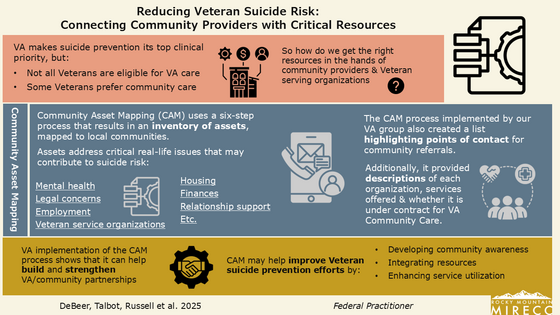
Strengthen supports, especially job and financial support. This requires collaboration like building referral networks and bolstering grassroots efforts. Examples include unemployment benefits and housing assistance.
Create protective environments by engaging community resources and improving everyday conditions. Protective environments reduce suicide risk by limiting exposure to harm (like violence, bullying, and access to lethal means), and increasing access to support (like counseling, trusted adults, and crisis services). Schools, community organizations, government agencies, and green spaces can all be improved with this in mind. At this level, efforts may be tailored to groups who face higher risk.
Teach coping and problem-solving skills to help individuals manage stressors and look for help earlier. These skills can be incorporated into non-clinical settings like educational and public service settings.
What are the Benefits of Upstream Suicide Prevention?

The most meaningful benefit of upstream suicide prevention is reducing unnecessary suffering. Other positive outcomes are:
- Making the most of limited resources
- Lowering costs by reducing the need for expensive crisis treatment
- Bringing together people with professional expertise and lived experience so existing programs, relationships, and local networks work better together and have a bigger impact
|
|