Suicide prevention: Veterans Crisis Line
 You know, a lot of folks think that when Veterans hang up the uniform, life just picks up right where they left off. But the truth is not that simple. One day you’re in a tight-knit crew with a solid routine and a clear purpose, and the next thing you know, you’re out—everything’s quiet. Maybe too quiet.
It’s in these moments, the quiet ones when we’re alone, when some might feel isolated, lacking purpose, finding it hard to move forward. That’s why suicide prevention matters and what the Veterans Crisis Line is for. It’s here to remind Veterans, active duty service members, National Guard, Reservists, friends and their families that someone is always listening. No judgment. Just help.
Read more..
Veteran makes healthy eating a habit
Healthy Teaching Kitchen teaches recipes, skills
When Teresa Collins was an Air Force jet engine mechanic, she worked 12-hour days. Her busy schedule often forced her to order takeout or go to the drive thru. When she retired, she found herself with more free time and began exploring new ways to cook for herself with VA’s Healthy Teaching Kitchen program.
Healthy Teaching Kitchen helps Veterans get healthier food onto their plates. It provides classes and educational materials to build confidence in cooking at home with healthy, minimally processed foods.
Read more..

Stay Hydrated: Know the Signs of Dehydration
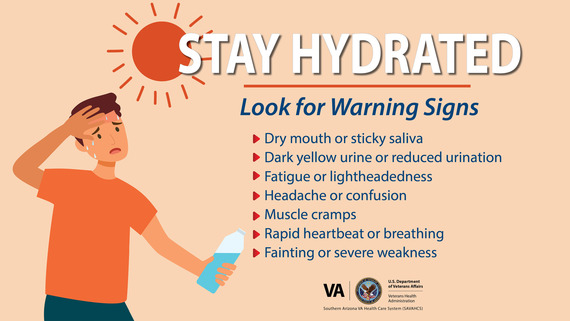 As we enter the Arizona Summer, it’s important to remember to drink enough fluids throughout the day to prevent dehydration and heat related illnesses. Water is needed in almost every reaction in the body and it’s estimated that we are roughly 60% water. Most of the fluid our body needs comes through drinking water and water-based beverages. Certain beverages can have a diuretic effect which means they cause us to lose fluids and some electrolytes and can dehydrate us. Some examples of diuretic fluids includes caffeinated beverages, sugary beverages, and alcoholic beverages. That’s why your healthcare providers often encourage you to drink plenty of water! Many people don’t like the taste of water but there are a lot of ways to fix this. Here are some of our favorite ways:
-
Investing in a water filter. It’s no secret that the water in Arizona can taste “off”. Tucson’s groundwater is naturally hard and that hardness is increased when our water mixes with the Central Arizona Project’s water. While hard water is safe to drink, the increased amount of calcium and magnesium can often leave a salty taste and can cause build up on appliances and pipes.
- Activated Carbon Filters: a relatively cheap and effective way to reduce hardness of water. They also help to remove certain contaminants that make their way into the water supply. Carbon filters come in different sizes ranging from personal use to whole house use.
- Reverse Osmosis: This is the gold standard for taste improvement but they tend to be best suited for home owners. RO systems can be expensive, but they can last up to 15 years if the filters and membranes are changed routinely.
- Water Filter Pitchers: These are convenient and cost effective solutions. They typically use carbon filters that need to be replaced often.
-
Try infused waters. Infusing water with different flavors can help improve the taste and enjoyment of drinking water. Try your favorite herbs and fruits. Here are some
- Grab a pitcher
- Add cut pieces of fruits and herbs. Try mint, kiwi, melons, and citrus. They juicier the fruit, the more flavorful the water will be!
- Add sparkling or filtered water\
-
Try drinking through a straw. This simple trick can help improve the amount of water you consume! Cold water also might help.
Other ways to make sure you’re getting plenty of fluids:
-
Try an insulated bottle. Take it with you when you run errands. This will help keep water from getting too hot while you’re out and about.
-
In Sight, In Mind. Keep your water near you at all times.
-
Add fresh fruits and vegetables to your diet. Fresh fruits and vegetables tend to contain lots of fluids. Water from our foods can still make a difference!
There is a reason why high blood pressure is called the silent killer. People with high blood pressure often do not have symptoms, and high blood pressure can increase your risk of
heart attack, heart disease, and stroke. If you have high blood pressure, it is important to check it properly at home.
Why It Matters
Checking your blood pressure regularly is a great way to keep track of your health. This is even more important if you have high blood pressure. Eating healthy food, not using
tobacco, limiting alcohol and caffeine, and exercising for about 150 minutes a week can help keep your blood pressure in a healthy range.
The Right Way to Check
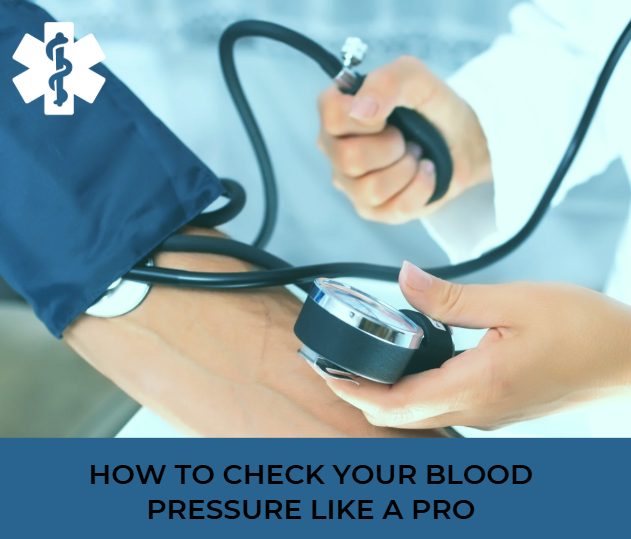
Here are some tips and tricks on checking your blood
pressure. Following these directions will help you get an accurate blood pressure reading:
• Sit upright in a chair
• Rest for 5 minutes before measuring your blood pressure
• Place your blood pressure cuff right above your elbow
on a bare arm
• Make sure your arm is resting at heart level
• Keep your legs uncrossed and feet on the floor
• Stay still and do not talk as your blood pressure machine
operates
Common Mistakes
When you check your blood pressure, there are some important things you should avoid doing.
Here are some tips:
• Do not cross your legs
• Do not talk while you check your blood pressure
• Avoid caffeine right before
• If you are a smoker, we always encourage you to
quit smoking! In the meantime, do not smoke
right before taking your blood pressure
• Make sure the cuff is not placed over thick
clothing (sweaters, long sleeves)
• Avoid using wrist cuffs; they are less accurate than
arm cuffs
What is Considered High Blood Pressure?
Normal blood pressure is considered a systolic reading (the top number on your blood pressure monitor), less than 130. The diastolic (bottom number on your monitor) is normal if
it is less than 80. Your blood pressure goal may be different depending on your age and other diseases you may have. Please let your care team know if your blood pressure is
higher than this at home. A very high blood pressure is anything greater than 180 on top or 100 on the bottom. If you notice a high blood pressure and are experiencing chest
pain, headaches, or vision changes, it is important to seek emergency medical attention.

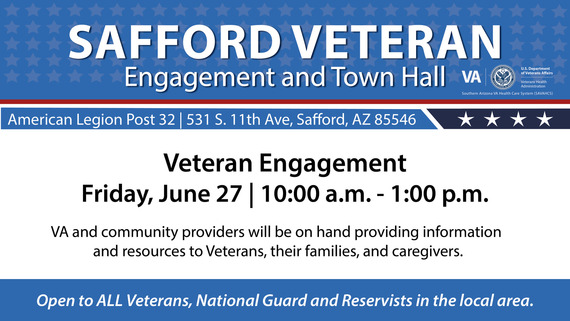
Safford Veteran Engagement and Townhall
Join us on Friday, June 27, from 10:00 a.m. to 1:00 p.m. at the American Legion Post 32 located at 531 South 11th Ave, Safford, AZ. The engagement townhall will provide Veterans with resources and assistance with eligibility and enrollment, whole health, suicide prevention, women’s health, and disability claims. For questions, email the SAVAHCS Public Affairs Office at pao.savahcs@va.gov.

New Class!
Take Charge of Your Health: Join Our Diabetes Management
Are you interested in learning more about diabetes, how it affects your body, and how diet and medication play a role in managing it? This class is designed with you in mind!
Our dedicated SAVAHCS Dietitians and Pharmacists have teamed up to offer a comprehensive Diabetes Management Class, available in two convenient formats:
-
In-Person: TUC INTERD PHARM/NUTR DM CLASS
-
Virtual (VA Video Connect): TUC VVC INTD PHRM/NTR DM CLASS
Both options are offered monthly to fit your schedule. To register, call 520-792-1450 ext. 1-3485 or contact your PACT Registered Dietitian (RD).
Healthy Teaching Kitchen Update
Join one of our most popular programs where Veterans are inspired to make healthier food choices through engaging virtual cooking demonstrations led by SAVAHCS Dietitians.
While the class is now offered quarterly, it continues to be a great opportunity to learn practical cooking skills and nutrition tips from the comfort of your home.
-
Next Session: August 12 at 11 a.m.
-
Virtual Class Name: TUC VVC HTK NUTRITION GRP
Register by calling 520-792-1450 ext. 1-3485 or by reaching out to your PACT RD.
Want more live cooking demos? Check out the Chicago VA Medical Center’s Healthy Teaching Kitchen, with monthly livestreams available on their Facebook page: https://www.facebook.com/VAChicago/

Are you a Veteran but you're not sure where to start with the VA?
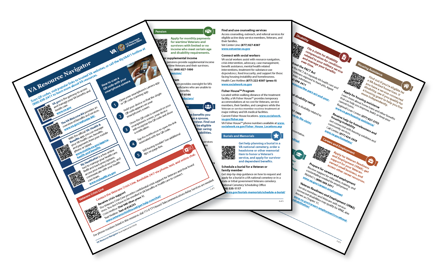
Check out the VA Resource Navigator, a short, sweet combination of all the most valuable resources to get you started on your way to VA benefits and health care.
Read more
|