Conquering clutter
 Is clutter driving you crazy? Do you have too much stuff?
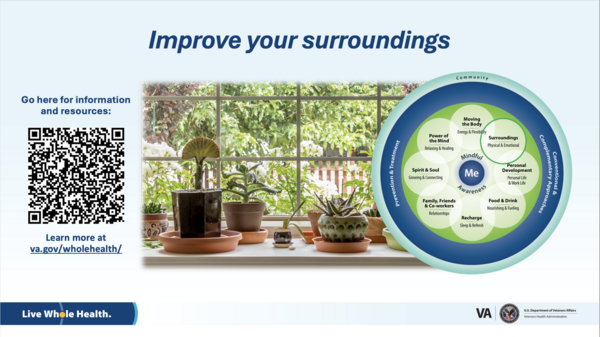
Your surroundings directly affect your health and well-being. The term “surroundings” covers a lot of things — from a Whole Health perspective, it involves everything around you where you live, work, and play.
Chaos and clutter in your surroundings can make you feel sad and overwhelmed. It can prevent you from doing things you love (like this Veteran). And it can lead to accidents and falls.
Purging the pileup
In deciding where to start organizing and decluttering, consider the area that bothers you the most. Then make some SMART goals (Specific, Measurable, Action-oriented, Realistic, and Time-based). Keep goals small and simple. For example, you might want to set a goal of clearing the top drawer of your dresser.
Dealing with the stuff
Many professional organizers recommend sorting items into boxes, labeling each one as “throw away,” “put away,” or “donate.” Touch each item and decide where it goes. These decisions may be easy or hard. A food wrapper is obviously trash, but you may struggle with letting go of a picture your child drew, although you have more than you can store.
After you’re done putting each item in a box, take the action written on the box.
Don’t struggle alone
It may seem daunting to think about clearing your clutter, deciding what and what not to keep, and maintaining your space after you’ve cleared it. Some people struggle with clutter more than others.
Whole Health classes and coaching can support you in dealing with clutter or anything else that’s preventing you from your best life. Contact your local facility to learn about Whole Health services in your area.
Resource of the month
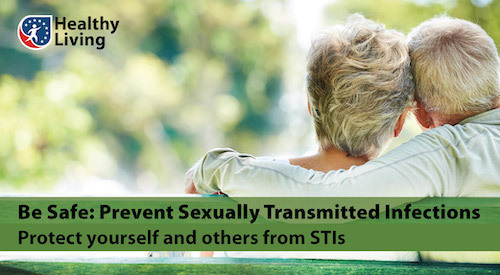
Be safe: prevent sexually transmitted infections
The National Center for Health Promotion and Disease Prevention's (NCP) Healthy Living Monthly Topic for September is Be Safe: Prevent Sexually Transmitted Infections (STIs). STIs, often referred to as sexually transmitted diseases (STDs), are infections that can be spread through sexual contact. You can explore resources and next steps to help Veterans best protect themselves from STIs. Also, be sure to check out the Veterans Health Library for additional education on the subject.
About Department of Veterans Affairs
Department of Veterans Affairs established 1-800-MyVA411 (1-800-698-2411) to help Veterans, their family members, caregivers, and survivors understand and access the broad spectrum of VA benefits and services.
Call 1-800-MyVA411 for information about:
- COVID-19 updates
- Health care eligibility and enrollment
- VA benefits, such as disability, compensation and pension, education programs, caregiver support, insurance, home loans, and burial headstones and markers among others
- The nearest VA medical centers, benefits offices or cemeteries to Veterans, VA Medical Center operational updates and connection to VA Medical Center operators
- Directory assistance and technical support for VA.gov
- Debt and payment options
|