Summer Update from VA History
The summer has been a busy one for the VA History team as we've spread out to continue pushing the VA's story to multiple partners and stakeholders.
In this edition of the VA History Newsletter, we have two more 100 Objects entries. One is on a report by an U.S. Army officer who traveled the country to gather information to complete a report on reburying Union Soldiers that died during the Civil War at the many different battlefields. The next entry is on the monumental "Clues to Suicide" study completed in 1956. This foundational work and research led to VA's early crisis intervention programs.
We have also included two previous stories that tie to July. Read about the July 4, 1875 Independence Day celebration at the Central Branch of the National Home for Disabled Volunteer Soldiers in Dayton, Ohio. Then check out the relationship the National Cemetery Administration has with President Abraham Lincoln's "Gettysburg Address," which commemorates the climatic Civil War battle that occurred July 1-3, 1863.
Talk to you again soon.
- The VA History team
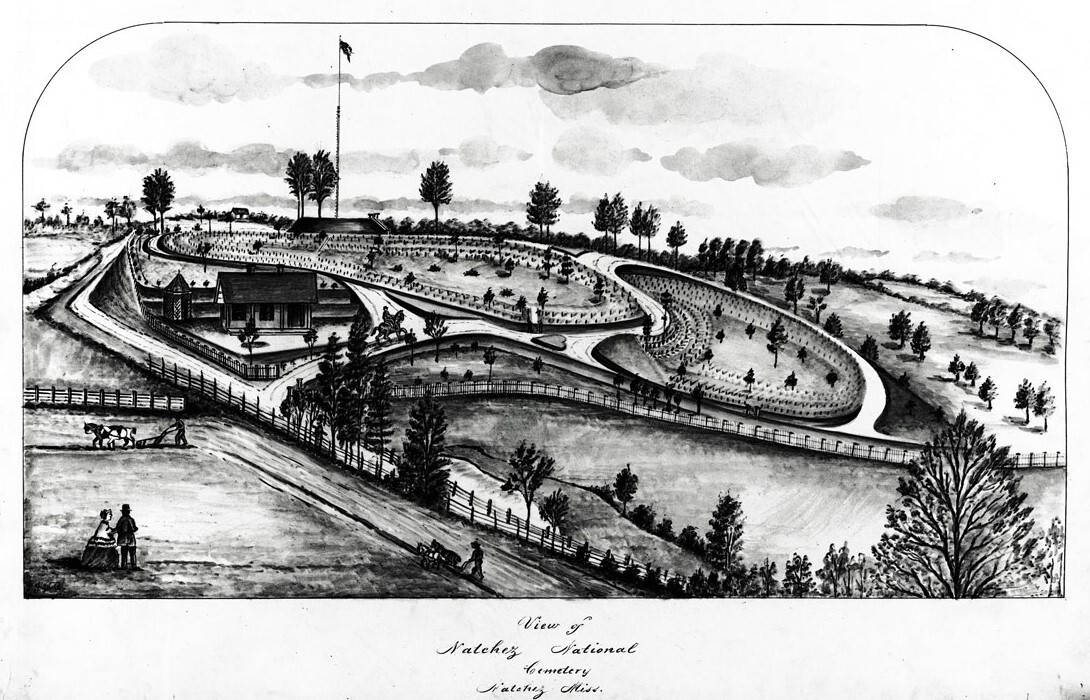
Object 61: Edmund Whitman’s 1869 Report on Reburying Union Dead in National Cemeteries
The U.S. Army’s plan for the recovery of Union dead across the South after the Civil War came about through the labors of a remarkable if little known officer, Edmund Whitman. He spent four years overseeing the collection of thousands of remains and creating “mortuary records” of reburials in new national cemeteries. After completing his “Harvest of Death,” to use his phrase, he produced in 1869 an extraordinary report that recounted the breadth, sequence, and challenges of his reinternment mission.
Click the button above to read this feature! If the button doesn't work, copy and paste the URL into your browser:
https://department.va.gov/history/100-objects/object-61-edmund-whitman-report/
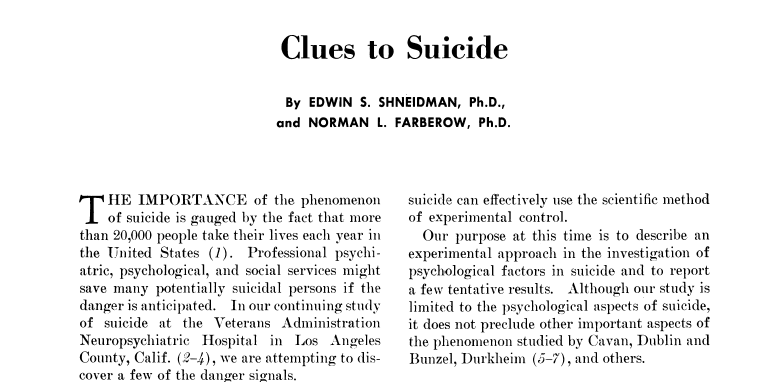
Object 62: 1956 “Clues to Suicide” Study
While suicide takes a toll on lives in every segment of society, Veterans in the post 9-11 era have statistically been more at risk than adults in the general population. VA’s efforts to combat the scourge of Veteran suicide owe a significant debt to the foundational research studies conducted by two VA psychologists in the 1950s. The work of Drs. Edwin S. Shneidman and Norman J. Farberow led to some of the earliest crisis intervention programs at VA and elsewhere and the establishment of the nation’s first dedicated Suicide Prevention Center in Los Angeles, California.
Click the button above to read this feature! If the button doesn't work, copy and paste the URL into your browser:
https://department.va.gov/history/100-objects/object-62-1956-suicide-study/
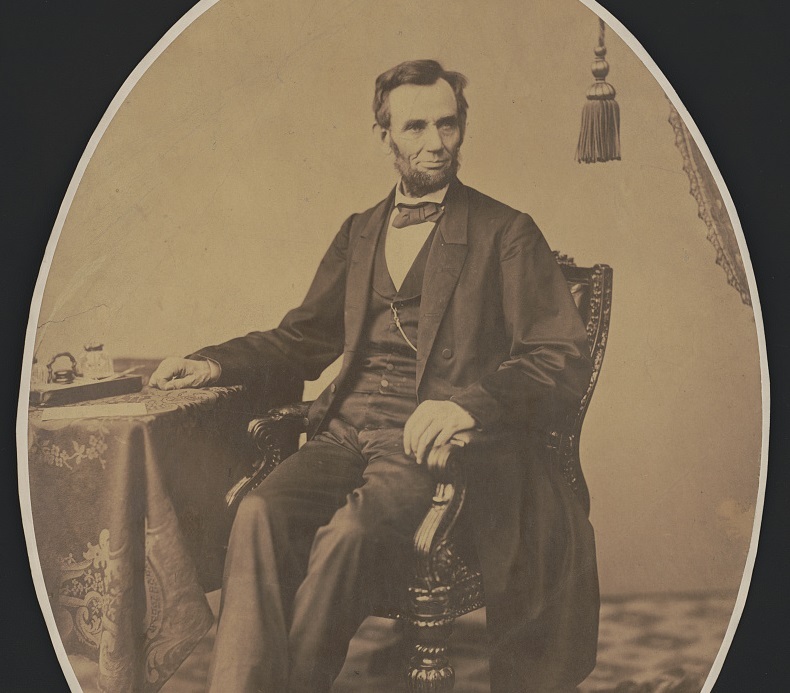
President Abraham Lincoln’s famed 272-word Gettysburg Address, cast in iron tablets, was placed in national cemeteries in 1909 as part of a nationwide birthday centennial program. When the popular president, born February 12, was honored again in 2009, NCA began to produce more tablets to ensure the speech is in all new national cemeteries.
Click the button above to check this content list. If the button doesn't work, copy and paste the URL into your browser:
https://department.va.gov/history/featured-stories/president-abraham-lincoln/
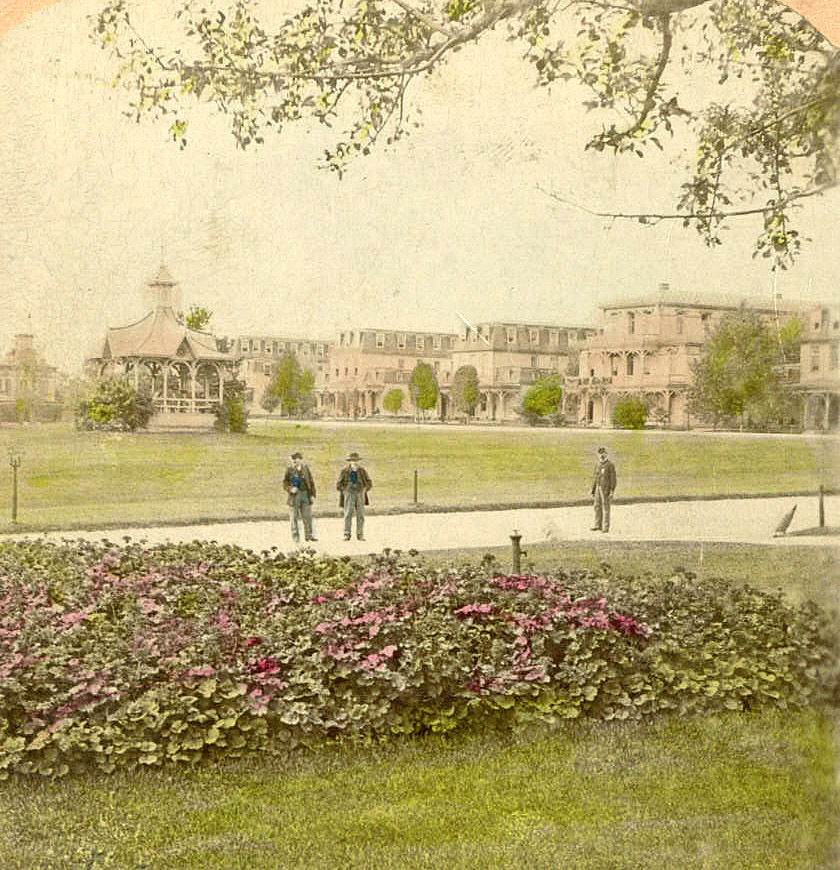
How did Veterans from the Civil War celebrate their country's Independence Day in 1875? An excerpt from a written account of July 4, 1875 details the celebration from the 19th Century.
Click the button above to check this content list. If the button doesn't work, copy and paste the URL into your browser:
https://department.va.gov/history/featured-stories/independence-day-1875/
|