U.S. Department of Veterans Affairs CWV - Research Update

VA Center for Women Veterans Bulletin Top Banner
Having trouble viewing this email? View it as a Web page. Bookmark and Share

Dear Veteran/Supporter,

The Center for Women Veterans (CWV) is sharing information about recently published research related to women Veterans on a monthly basis.  PubMed.gov is a resource that comprises more than 26 million citations for biomedical literature from MEDLINE, life science journals, and online books.  Citations may include links to full-text content from PubMed Central and publisher websites.  Please contact your local library to obtain the full-text of any of these references.

Thank you for your service and support,

VA Center for Women Veterans

Women Veterans Research Banner


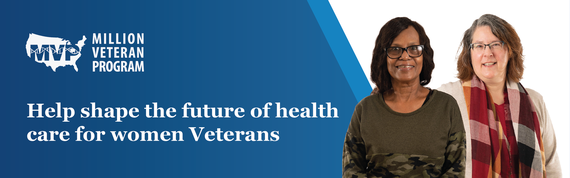
VA's Million Veteran Program (MVP) is a national research program looking at how genes, lifestyle, military experiences, and exposures affect health and wellness in Veterans.

Since launching in 2011, 1 million Veterans have joined MVP. It's the largest research effort at VA to improve health care for Veterans and one of the largest research programs in the world studying genes and health.

Women Veterans are underrepresented in research.  Sign up today.

Million Veteran Program Link


1.

The broken hearts club: Rurally located female veterans have higher risk for cardiovascular disease

J Prev Interv Community. 2025 Jul 7:1-13. doi: 10.1080/10852352.2025.2527443. Online ahead of print.

Authors

Katilyn Sullivan  1 Jacqueline Nash  1 Mitchell Dierkes  1 Courtney Raisor  1 Heather Tillewein  2 Jolie N Haun  3 Justin T McDaniel  4

Affiliations

  • 1 School of Health Sciences, Southern Illinois University, Carbondale, IL, USA.
  • 2 Department of Health and Human Performance, Austin Peay State University, Clarksville, TN, USA.
  • 3 US Department of Veterans Affairs, James A Haley Veterans' Hospital, Tampa, FL, USA.
  • 4 School of Human Sciences, Southern Illinois University, Carbondale, IL, USA.

Abstract

The purpose of this study was to examine the association of rurality and veteran status on cardiovascular disease (CVD) risk in US adult females. A retrospective, cross-sectional cohort analysis was conducted utilizing data from the 2021-2023 National Survey on Drug Use and Health. The sample included female veterans and non-veterans (n = 25,543). A multivariable logistic regression model was applied to the data to understand the association between the aforementioned variables, including an interaction term for rurality and veteran status. The interaction term showed that rural veteran females had a higher predicted rate of CVD risk than the other cohorts studied (aOR = 1.85, 95% CI = 1.14-3.00), even after adjusting for covariates. These findings highlight the relationship between veteran status and geographic location on CVD risk among females in the US.

Keywords: Cardiovascular disease; national survey on drug use and health; rural health; veterans.

Full text links

2.

Mammography Screening Utilization in Female Veterans Using Cross-Sectional Survey Results from the National Health Interview Survey

J Am Coll Radiol. 2025 Jul;22(7):752-757. doi: 10.1016/j.jacr.2025.04.017. Epub 2025 Apr 24.

Authors

Arissa Milton  1 Randy C Miles  2 Lori Mankowski Gettle  3 Peter Van Geertruyden  4 Anand K Narayan  5

Affiliations

  • 1 Board of Directors, Medical Center Radiologists, University of Wisconsin-School of Medicine and Public Health, Madison, Wisconsin. Electronic address: ajmilton@wisc.edu.
  • 2 Chief of Breast Imaging, Department of Radiology, Denver Health Medical Center, Aurora, Colorado. Electronic address: https://twitter.com/RMilesMD.
  • 3 Chief of Radiology, Richard L. Roudebush VA Medical Center, Indianapolis, Indiana.
  • 4 MSK Radiology, Medical Center Radiologists, Norfolk, Virginia.
  • 5 Vice Chair of Equity, Department of Radiology, University of Wisconsin School of Medicine and Public Health, Madison, Wisconsin; Chair, ACR PFCC Outreach Committee; President-Elect, Wisconsin Radiological Society; Assistant Editor, JACR. Electronic address: https://twitter.com/AnandKNarayan.

Abstract

Purpose: Although women are the fastest growing group of veterans across all military branches, there are limited data about mammography screening utilization in female veterans. Using a nationally representative cross-sectional survey, we evaluated the association between veteran status and mammography screening.

Methods: Female survey respondents aged 40 to 74 in the 2019 National Health Interview Survey without history of breast cancer were included. The proportion of patients who reported undergoing mammography screening in the last year was estimated, stratified by veteran status. Logistic regression analyses evaluated the association between screening and veteran status, adjusted for potential confounders. Analyses accounted for complex survey sampling design to obtain valid estimates for the civilian, noninstitutionalized US population.

Results: In all, 8,996 female survey respondents met inclusion criteria (veterans 1.9% [estimated 1,190,169 women], military health coverage 3.2% [estimated 2,156,863 women]). Of the veterans, 57.9% reported screening mammography within the last year, and 55.2% of nonveterans reported screening mammography within the last year. Veteran status was not associated with differences in mammography screening percentages (P = .959). Among survey participants with health insurance, military health insurance was not associated with differences in mammography screening percentages (P = .132).

Conclusions: Female veterans were comparably likely to undergo mammography screening in our unadjusted and adjusted analyses. With more than 1 million female veterans and growing eligible for mammography screening in the United States, radiology practices should design proactive outreach strategies to address the needs of veterans who may face increased breast cancer risk due to military environmental exposures.

Keywords: Breast cancer; health equity; mammography; screening; veterans.

Copyright © 2025 American College of Radiology. All rights reserved.

Full text links

3.

Sex-specific associations between homelessness and cerebrovascular disease among aging US veterans in the Veterans Affairs healthcare system

Geroscience. 2025 Jun 30. doi: 10.1007/s11357-025-01758-8. Online ahead of print.

Authors

Hind A Beydoun  1   2 May A Beydoun  3 Sameed Ahmed M Khatana  4   5 Neil Nixdorff  6   7 Nishant K Mishra  8   9 Jack Tsai  10   11   12

Affiliations

  • 1 VA National Center on Homelessness Among Veterans, U.S. Department of Veterans Affairs, Washington, DC, USA. Hind.Baydoun@va.gov.
  • 2 Department of Management, Policy, and Community Health, School of Public Health, University of Texas Health Science Center at Houston, Houston, TX, USA. Hind.Baydoun@va.gov.
  • 3 Laboratory of Epidemiology and Population Sciences, National Institute On Aging Intramural Research Program, Baltimore, MD, USA.
  • 4 Division of Cardiovascular Medicine, Perelman School of Medicine, Philadelphia, PA, USA.
  • 5 Philadelphia Veterans Affairs Medical Center, Philadelphia, PA, USA.
  • 6 Department of Internal Medicine, University of Michigan, Ann Arbor, MI, USA.
  • 7 Geriatric Research Education and Clinical Center, Ann Arbor VA Medical Center, Ann Arbor, MI, USA.
  • 8 Department of Neurology, School of Medicine, Yale University, New Haven, CT, USA.
  • 9 Neurology Section, West Haven VA Medical Center, West Haven, CT, USA.
  • 10 VA National Center on Homelessness Among Veterans, U.S. Department of Veterans Affairs, Washington, DC, USA.
  • 11 Department of Management, Policy, and Community Health, School of Public Health, University of Texas Health Science Center at Houston, Houston, TX, USA.
  • 12 Department of Psychiatry, School of Medicine, Yale University, New Haven, CT, USA.

Abstract

Homelessness and chronic disease have been previously linked. We examined the bidirectional, sex-specific, relationship between homelessness and cerebrovascular disease among aging veterans seeking U.S. Department of Veterans Affairs (VA) healthcare services. A retrospective study was conducted among a cohort of 4,061,031 veterans (mean [± standard deviation] age: 68.7 [± 10.3] years; 94.6% men) followed between 2017 and 2021 and defined through linkage of VA Corporate Data Warehouse, Homeless Operations Management System, and Mortality Data Repository databases. Multivariable Cox regression models were constructed to bidirectionally examine associations between the first episode of homelessness and the first cerebrovascular disease event by sex. Multistate modeling was applied to examine sex differences in transitions from a healthy state to death through homelessness and cerebrovascular disease, adjusting for confounders. Overall, the earliest homelessness episode and earliest subsequent cerebrovascular disease event were negatively associated (hazard ratios (HR) = 0.30 [95% confidence intervals (CI): 0.29, 0.32]) among the 4,057,313 veterans who did not experience cerebrovascular disease before homelessness. Conversely, the earliest non-fatal hemorrhagic stroke event and earliest subsequent homelessness episode were positively associated (HR = 1.13, 95% CI: 1.04, 1.24) among the 4,059,465 veterans who did not experience homelessness before cerebrovascular disease. Female veterans were less likely than male veterans to transition from a healthy state to homelessness, stroke, or death. Irrespective of sex, veterans who experience homelessness may be less likely to be later diagnosed with cerebrovascular disease, while those who experience non-fatal hemorrhagic stroke may be more likely to later experience homelessness.

Keywords: Aging; Homelessness; Multistate; Sex; Stroke; Veteran.

© 2025. This is a U.S. Government work and not under copyright protection in the US; foreign copyright protection may apply.

Conflict of interest statement

Declarations. Competing interests: None. Disclaimer: The authors’ views are solely their own and do not necessarily reflect the positions of the U.S. Department of Veterans Affairs, the U.S. National Institutes of Health, or the U.S. Government.

Full text links

4.

Sexually Transmitted Infection Testing and Prevalence Among Veterans With and Without Military Sexual Trauma

J Gen Intern Med. 2025 Jun 25. doi: 10.1007/s11606-025-09649-6. Online ahead of print.

Authors

Traci A Takahashi  1   2 Desta Gebregiorgis  3 Marissa Maier  4   5 Joleen Borgerding  3 Lauren A Beste  3   6

Affiliations

  • 1 VA Puget Sound Health Care System, Veterans Health Administration (VHA), Seattle, WA, USA. traci.takahashi@va.gov.
  • 2 Department of Medicine, University of Washington School of Medicine, Seattle, WA, USA. traci.takahashi@va.gov.
  • 3 VA Puget Sound Health Care System, Veterans Health Administration (VHA), Seattle, WA, USA.
  • 4 Division of Infectious Diseases, Department of Medicine, Oregon Health & Science University, Portland, OR, USA.
  • 5 VA Portland Health Care System, Veterans Health Administration (VHA), Portland, OR, USA.
  • 6 Department of Medicine, University of Washington School of Medicine, Seattle, WA, USA.

Abstract

Background: Since the Veterans Health Administration (VHA) implemented universal screening for military sexual trauma (MST) in 2001, one-third of female Veterans and 1 in 50 male Veterans have reported MST. Despite evidence that MST negatively impacts physical and mental health and has been associated with sexual practices that increase the risk of acquiring sexually transmitted infections (STIs), little is known about the association between MST and STI risk in Veterans.

Objective: To assess the percent tested for an STI, STI prevalence, and odds of acquiring an STI among Veterans in VHA care during 2022 with and without a history of MST.

Design: Retrospective cohort study of Veterans in VHA care during 2022 who ever completed VHA's MST screening questions. Metrics of STI testing and infection were obtained for 2022.

Participants: All Veterans in VHA care during 2022, defined as at least one inpatient or outpatient visit in 2022 or the previous year, who completed VHA's MST screening questions.

Key results: Of nearly 6.4 million Veterans in VHA care during 2022 who ever answered the MST screening questions, 35% of female and 2% of male Veterans reported a history of MST. Male Veterans with MST had an increased STI prevalence compared to those without MST (0.7% vs. 0.2%); no difference was observed in STI prevalence among female Veterans with and without MST (0.3% vs. 0.2%). Among male Veterans tested for an STI, MST was associated with a 23% increased odds of acquiring an STI after adjusting for key demographic and health-related factors.

Conclusions: In male Veterans tested for an STI, MST was associated with an increased risk of STI acquisition, a finding not seen in female Veterans. Differences in health care utilization, sexual behaviors, and mental health sequelae from sexual trauma between males and females may explain this finding.

Keywords: military sexual trauma; sexually transmitted infection; sexually transmitted infection testing; veteran.

© 2025. This is a U.S. Government work and not under copyright protection in the US; foreign copyright protection may apply.

Conflict of interest statement

Declarations:. Ethics Approval and Consent to Participate:: Not applicable. Conflict of Interest:: The authors declare that they do not have a conflict of interest.

Full text links

5.

Sex and race-ethnicity influences on opioid overdose deaths among veterans diagnosed with opioid use disorder between 2016 and 2021

Drug Alcohol Depend. 2025 Jun 23:274:112764. doi: 10.1016/j.drugalcdep.2025.112764. Online ahead of print.

Authors

Amar D Mandavia  1 Jennifer R Fonda  2 Anne N Banducci  3 Victoria E Ameral  4 Rebecca E Sistad Hall  5 Lauren B Loeffel  3 Clara E Roth  6 Tracy L Simpson  7 Michael D Stein  8 Brian P Marx  3 Justeen Hyde  9 Michael Davenport  10 Frank Meng  10 Nicholas A Livingston  11

Affiliations

  • 1 VA Boston Healthcare System, Medical Informatics, Boston, MA, United States; Boston University Chobanian and Avedisian School of Medicine, Boston, MA, United States. Electronic address: amar.mandavia@va.gov.
  • 2 Translational Research Center for TBI and Stress Disorders (TRACTS), VA Boston Healthcare System, Boston, MA, United States; Boston University Chobanian and Avedisian School of Medicine, Boston, MA, United States; Harvard Medical School, Boston, MA, United States.
  • 3 Boston University Chobanian and Avedisian School of Medicine, Boston, MA, United States; National Center for PTSD at VA Boston Healthcare System, Boston, MA, United States.
  • 4 Mental Illness Research, Education, and Clinical Center, VA Bedford Healthcare System, Bedford, MA, United States; Department of Psychiatry, UMass Chan Medical School, Worcester, MA, United States.
  • 5 Minneapolis VA Healthcare System, Minneapolis, MN, United States; Psychiatry and Behavioral Sciences, University of Minnesota, Minneapolis, MN, United States.
  • 6 National Center for PTSD at VA Boston Healthcare System, Boston, MA, United States.
  • 7 Center of Excellence in Substance Addiction Treatment & Education, Seattle, WA, United States; Department of Psychiatry & Behavioral Sciences, University of Washington, Seattle, WA, United States.
  • 8 Department of Health, Law and Policy, Boston University School of Public Health, Boston, MA, United States.
  • 9 Boston University Chobanian and Avedisian School of Medicine, Boston, MA, United States; Center for Healthcare Organization and Implementation Research, VA Bedford Healthcare System, Bedford, MA, United States.
  • 10 Data Science Core, Boston CSPCC, VA Boston Healthcare System, Boston, MA, United States.
  • 11 Boston University Chobanian and Avedisian School of Medicine, Boston, MA, United States; National Center for PTSD at VA Boston Healthcare System, Boston, MA, United States. Electronic address: nicholas.livingston@va.gov.

Abstract

Objective: Given increases in opioid overdose rates, and policy changes expanding access to medications for OUD, during the COVID-19 pandemic, we sought to understand how the opioid overdose epidemic impacted veterans with opioid use disorder (OUD), from 2016 to 2021.

Method: We examined the prevalence and trends in opioid overdose deaths, and age at death, from 2016 to 2021, by sex and race/ethnicity among veterans with OUD enrolled in the Veterans Health Administration (VHA). We calculated the multiplicative and additive interactions between sex and age, and opioid overdose death.

Results: 203,950 veterans enrolled in VHA from 2016 to 2021 had an OUD; 16 % (n = 32,640) died during this period. Opioid overdose contributed to 17.42 % (n = 5686) of all deaths. Although the total number of overdose deaths rose each year, the relative risk of dying from an opioid overdose decreased. Of those who died, veterans, ages 18-29 were significantly more likely to die of an opioid overdose than veterans over the age of 40. Female veterans were significantly more likely to die from an opioid overdose, with this risk manifesting significantly earlier and faster when compared to male veterans of the same age. Black and Asian veterans were significantly more likely to die by opioid overdose than White veterans.

Conclusions: Despite an overall decrease in relative risk of opioid overdose death during the first two years of the COVID-19 pandemic (2020-2021) there was a significant increase in risk of opioid overdose death among female and racial and ethnic minority veterans with OUD.

Keywords: Mortality; Opioid use disorder; Overdose; Veterans.

Copyright © 2025. Published by Elsevier B.V.

Conflict of interest statement

Declaration of Competing Interest None.

Full text links

6.

Functioning and disability consequences of comorbid posttraumatic stress disorder and diabetes in Vietnam era men and women veterans

Health Psychol. 2025 Jun 12. doi: 10.1037/hea0001516. Online ahead of print.

Authors

Kelsey N Serier  1 Hannah M Burns  1 Kathryn M Magruder  2 Avron Spiro  3 Anica Pless Kaiser  3 Rachel Kimerling  4 Susan M Frayne  5 Amy M Kilbourne  6 Eileen M Stock  7 Christopher W Forsberg  8 Nicholas L Smith  8 Brian N Smith  1

Affiliations

  • 1 National Center for PTSD, Women's Health Sciences Division, VA Boston Healthcare System.
  • 2 Department of Psychiatry and Behavioral Sciences and Public Health, Medical University of South Carolina.
  • 3 Department of Psychiatry, Boston University, Chobanian & Avedisian School of Medicine.
  • 4 National Center for PTSD, VA Palo Alto Health Care System, U.S. Department of Veteran Affairs.
  • 5 VA HSR Center for Innovation to Implementation (Ci2i), VA Palo Alto Health Care System.
  • 6 Department of Learning Health Sciences, University of Michigan Medical School.
  • 7 Cooperative Studies Program Coordinating Center, Office of Research and Development, U.S. Department of Veterans Affairs.
  • 8 Seattle Epidemiologic Research and Information Center, U.S. Department of Veteran Affairs.

Abstract

Objective: Diabetes mellitus (DM) negatively impacts functioning and disability, particularly when comorbid with mental health diagnoses. Posttraumatic stress disorder (PTSD) increases the risk of developing DM and may have a particularly deleterious impact on DM-related outcomes. This study aimed to determine the extent to which PTSD and DM comorbidity was associated with poorer functioning and greater disability relative to neither or single diagnoses in older adult veteran men and women.

Method: Data came from two large cross-sectional studies of Vietnam era veteran men (N = 5,367) and women (N = 4,102). Participants completed self-report measures of diagnosed physical health conditions, functioning, and disability. PTSD and other mental health conditions were assessed via a telephone-administered diagnostic interview, and military characteristics were gathered from service records.

Results: In sex-specific weighted linear regression analyses adjusted for relevant covariates, veterans with PTSD only, DM only, and PTSD + DM reported significantly worse mental and physical health functioning and greater disability compared with veterans with neither condition. PTSD + DM comorbidity was associated with worse outcomes than DM only and worse physical health functioning than PTSD only. The pattern of results was similar for men and women.

Conclusions: Older adult veterans with both PTSD and DM may experience worse health functioning and greater disability relative to veterans with neither or single diagnoses only. Although effects were small to medium, potential clinical implications include assessment of PTSD among veterans with DM and intervention efforts that address the effects of both conditions on health and well-being. (PsycInfo Database Record (c) 2025 APA, all rights reserved).

Trial registration: ClinicalTrials.gov NCT00958061.

Full text links

7.

Military sexual trauma and mental health counseling: Effects on resilience over time among recent-era U.S. veterans

J Trauma Stress. 2025 Jun;38(3):410-421. doi: 10.1002/jts.23137. Epub 2025 Mar 6.

Authors

Mary M Mitchel  1 Ryan P Chesnut  1 Keith R Aronson  1   2   3 Daniel F Perkins  1   2   4

Affiliations

  • 1 Clearinghouse for Military Family Readiness, Pennsylvania State University, University Park, Pennsylvania, USA.
  • 2 Social Science Research Institute, University Park, Pennsylvania, USA.
  • 3 Department of Biobehavioral Health, University Park, Pennsylvania, USA.
  • 4 Department of Agricultural Economics, Sociology, and Education, University Park, Pennsylvania, USA.

Abstract

Military sexual trauma (MST) is prevalent and causes numerous deleterious effects on survivors. This study investigated the association between mental health counseling (MHC) and resilience among a large cohort of U.S. veterans who served in support of military operations in Iraq and Afghanistan following the September 11, 2001, terrorist attacks. Data were collected over 6.5 years (Wave 1: n = 9,566, Wave 8: n = 2,970). Female veterans who experienced sexual harassment, β = -.12, and both sexual harassment and unwanted sexual contact, β = -.21, had lower baseline resilience scores. For male veterans, sexual harassment, β = -.08; unwanted sexual contact, β = -.09; and both sexual harassment and unwanted sexual contact, β = -.12, were related to lower baseline resilience scores. For both female, β = -.46, and male veterans, β = -.57, MHC was negatively associated with baseline resilience; however, MHC was positively associated with resilience scores over time for female, β = .17, and male veterans, β = .29. In the full mediation models tested, MHC mediated the path between all types of MST and resilience among male and female veterans. The findings suggest that engaging in MHC during the transition from active duty to civilian life may effectively increase resilience for veteran survivors of MST.

© 2025 The Author(s). Journal of Traumatic Stress published by Wiley Periodicals LLC on behalf of International Society for Traumatic Stress Studies.

Full text links

8.

Posttraumatic stress and posttraumatic growth among female and male veterans: The contribution of romantic relationship and friendship functioning

J Trauma Stress. 2025 Jun;38(3):399-409. doi: 10.1002/jts.23134. Epub 2025 Jan 29.

Authors

Eileen P Barden  1   2 Shaina A Kumar  1   2 Julia C Sager  1   2 Johanna Thompson-Hollands  1   2 Daniel J Lee  1   2 Kelly Harper  1   2 Terence M Keane  1   2 Brian P Marx  1   2

Affiliations

  • 1 Behavioral Science Division, National Center for PTSD at VA Boston Healthcare System, Boston, Massachusetts, USA.
  • 2 Department of Psychiatry, Boston University Chobanian & Avedisian School of Medicine, Boston, Massachusetts, USA.

Abstract

Posttraumatic growth (PTG) is characterized as the experience of positive psychological change following exposure to traumatic stress. However, studies examining the association between posttraumatic stress disorder (PTSD) symptoms and PTG have demonstrated mixed results. Further, although higher levels of social support have been shown to predict higher ratings of PTG, there are limited longitudinal findings regarding how interpersonal functioning may affect the association between PTSD symptoms and PTG. In this study, we examined interpersonal functioning in romantic relationships and friendships as mediators of the relation between PTSD symptom severity and PTG and examined potential sex differences among these associations. Participants were 1,427 veterans who completed self-report questionnaires across three time points. A parallel mediation analysis indicated that romantic relationship, β = -.01, 95% CI [-.03, -.001], and friendship, β = -.02, 95% CI [-.04, -.001], functioning were both indirectly associated with PTG in the full sample. Moreover, sex-stratified models indicated that romantic relationship functioning was a significant mediator for male veterans, β = -.02, 95% CI [-.05, -.01], whereas friendship functioning was a significant mediator for female veterans, β = -.04, 95% CI [-.08, -.01]. Together, these findings suggest that interpersonal functioning is an important factor in PTG, and targeting romantic relationship and friendship functioning in the context of trauma-focused treatment may be valuable and can help build a pathway from PTSD symptoms to PTG among female and male veterans.

© 2025 International Society for Traumatic Stress Studies.

Full text links


9.

African American Female Veterans Experiences with Perceived Racism Within the Veteran's Healthcare Administration

J Racial Ethn Health Disparities. 2025 Aug;12(4):2496-2508. doi: 10.1007/s40615-024-02068-z. Epub 2024 Jul 11.

Authors

Metari Hunt  1 Roaa Aggad  2

Affiliations

  • 1 Health Promotion and Community Health Department at School of Public Health, Texas A&M University, College Station, TX, USA.
  • 2 Family and Community Medicine Department, King Abdulaziz University, Rabigh, Saudi Arabia. roaa1aggad@hotmail.com.

Abstract

There is a lack of understanding of how perceived racism in Veterans Healthcare Administration (VHA) healthcare providers affects the delivery of healthcare services to African American (AA) Veterans thus leading to health disparities in this population. Specifically, there is a lack of understanding of this phenomenon from the view of AA female Veterans who sought mental health care from providers within the VHA. The aim of this study was to determine if AA female Veterans have experiences of racism in their interactions with VHA mental health providers contributing to disparities. Using a phenomenological qualitative analysis approach with five AA female Veterans, the researcher was able to identify four qualitative themes: mental health service delivery, provider belief system about AA female Veterans, and the impact of microaggressions on AA female Veterans. Based on the results of this study, the following were determined: (1) there is an existence of perceived racism from VHA mental health providers to AA female Veterans, (2) we better understand AA female Veterans' perceptions of their VHA mental health providers based on their interactions, (3) there is a shared lived experience of the phenomenon racism from VHA mental health providers, and (4) there is a failure of VHA to address the needs of AA female Veterans despite VHA policies for support.

Keywords: African American; Female veterans; Healthcare administration; Veterans.

© 2024. W. Montague Cobb-NMA Health Institute.

Full text links

10.

Associations Between Contraceptive Counseling Quality and Contraceptive Use in a National Survey of Women Veterans

J Womens Health (Larchmt). 2025 Jul 17. doi: 10.1177/15409996251360153. Online ahead of print.

Authors

Samantha K Benson  1 Siobhan Mahorter  1 Xinhua Zhao  2 Eleanor Bimla Schwarz  3 Sonya Borrero  2   4 Lisa S Callegari  1   5

Affiliations

  • 1 Center of Innovation for Veteran Centered and Value Driven Care, VA Puget Sound Health Care System, Seattle, WA, USA.
  • 2 Center for Health Equity Research & Promotion, VA Pittsburgh Health Care System, Pittsburgh, PA, USA.
  • 3 Division of General Internal Medicine, University of California, San Francisco School of Medicine, San Francisco, CA, USA.
  • 4 Division of General Internal Medicine, University of Pittsburgh Department of Medicine, Pittsburgh, PA, USA.
  • 5 Department of Obstetrics and Gynecology, University of Washington School of Medicine, Seattle, WA, USA.

Abstract

Background: Contraceptive counseling quality is associated with trust in providers, method satisfaction, and method continuation. Little is known, however, about associations between counseling quality and method choice, particularly for methods requiring a high level of involvement of providers to initiate and stop the method. Objective(s): Investigate associations between experiences of high- or low-quality counseling and contraceptive method type. Research Design: We analyzed data from a national survey of women veterans ages 18-44 receiving care at the Veterans Health Administration (VA). Among participants who received contraceptive services at VA in the past year (n = 358), counseling quality was assessed with six Likert-scale items capturing key elements of patient-centered care. We explored two independent counseling quality variables: (1) high-quality (strongly agree on all items) versus all other responses and (2) low-quality (neutral/disagree/strongly disagree on ≥4 items) versus all other responses. Contraceptive methods were categorized based on the level of provider involvement required for initiation and discontinuation: long-acting reversible contraceptive (LARC) procedures, prescription methods, and those that require no provider involvement. We examined associations between quality and method type used using logistic regression models, controlling for potential confounding covariates. Results: Veterans reporting high-quality counseling were more likely (aOR: 1.95; 95% CI: 1.09, 3.48), and those reporting low-quality counseling were less likely (aOR: 0.12; 95% CI: 0.02, 0.90), to have undergone LARC placement. Veterans reporting low-quality counseling were more likely to have used a method that required no provider involvement (aOR: 2.71; 95% CI: 1.26, 5.83). Conclusions: High-quality contraceptive counseling is associated with use of LARC methods, while low-quality counseling is associated with use of contraceptives that require no provider involvement.

Keywords: contraception; contraceptive counseling; family planning; patient-centered care; veterans.

Full text links

11.

Mental Health and Substance Use Treatment Receipt Among Women Veterans with a Substance Use Disorder, 2015-2019

Issues Ment Health Nurs. 2025 Jul 17:1-7. doi: 10.1080/01612840.2025.2516059. Online ahead of print.

Authors

Brayden Kameg  1 Thomas Cline  2

Affiliations

  • 1 University of Pittsburgh, Pittsburgh, Pennsylvania, USA.
  • 2 Saint Vincent College, Latrobe, Pennsylvania, USA.

Abstract

Background: Women Veterans who experience mental health and substance use disorders (SUDs) are at risk for a variety of health and psychosocial disparities.

Methods: This study analyzed data from the 2015-2019 versions of the National Survey on Drug Use and Health conducted by the SAMHSA.

Results: Approximately 37% of women Veterans with a past-year SUD received outpatient mental health treatment, compared to 26% of women non-Veterans (OR = 1.65, [1.04-2.62], p = 0.014) and 22.8% of men Veterans (OR = 1.96, [1.19-3.24], p = 0.004). However, 38% of women Veterans with SUD reported an inability to access mental health treatment within the past year, compared to 19% of men Veterans (OR = 2.64, [1.59-4.38], p < 0.001). Approximately 67% of women Veterans reported stigma-related barriers to mental health treatment access compared to 38% and 41% of women non-Veterans (OR = 3.23, [1.51-6.95], p < 0.001) and men-Veterans (OR = 2.92, [1.23 - 6.94], p = 0.007).

Conclusions: While women Veterans with SUD were more likely to access outpatient mental health treatment and were more likely to be prescribed psychotropic medication than their counterparts, they were also more likely to report an inability to access mental health treatment within the last year.

Full text links

12.

A Participatory Exploration of Woman Veterans' Peer Support: An Analysis Guided by Ricoeur's Philosophy

J Adv Nurs. 2025 Jul 10. doi: 10.1111/jan.70072. Online ahead of print.

Authors

Wyona M Freysteinson  1 Elif Isik  1 Joyce Arlene Ennis  2 Joicy B Thomas  3 Jolly Joseph  4

Affiliations

  • 1 Nelda C. Stark College of Nursing, Texas Woman's University, Houston, Texas, USA.
  • 2 The Houston J and Florence A Doswell College of Nursing, Dallas, Texas, USA.
  • 3 West Coast University (WCU) Nursing Program, Richardson, Texas, USA.
  • 4 College of Nursing, Texas Woman's University, Denton, Texas, USA.

Abstract

Aim: This study sought to understand the experience of women veterans transitioning from military to civilian life.

Design: A community-based research design and Ricoeur's hermeneutic phenomenology guided the philosophical framework.

Methods: Seventeen women veterans were recruited from a non-profit organisation. Data was collected in six virtual focus groups using Zoom in the fall of 2022 using dialogical engagement. Analysis of the data was done using hermeneutic phenomenology. Five participants in the research validated the data and recommended changes to their peer-to-peer support group.

Results: The veterans described their environment as service to confusion and from pride to embodied shame. The phenomenology of this experience was screaming in silence, harsh reality, creating a village, and taking the high road. Lists of deployment and military sexual trauma triggers were created.

Conclusion: There are many obstacles for women transitioning from military to civilian life. Some veterans suffer more than others. For those who are challenged by living in civilian life, this study strongly emphasised that veterans are often their own best source of support. Peer-to-peer support groups for women veterans were highly encouraged as a vital part of their well-being.

Implications: The data obtained in this study provided us with rich information for nursing practice, including an understanding of the way of being of women veterans, suicide, military sexual trauma, and homelessness assessment, significant community resources, the significance of having peer-to-peer support groups, and the policies and research needed.

Reporting method: Consolidated criteria for reporting qualitative research.

Patient or public contribution: This study did not include patient or public involvement in its design, conduct, or reporting.

Keywords: Ricoeur; hermeneutics; integration; military sexual trauma; nursing; peertopeer support; qualitative study; transition; woman veterans; woman's health.

© 2025 John Wiley & Sons Ltd.

Full text links

13.

Women veterans' outcomes and experiences with STEP-Home transdiagnostic reintegration workshops: Implications for future implementation

Mil Psychol. 2025 Jun 23:1-10. doi: 10.1080/08995605.2025.2521952. Online ahead of print.

Authors

Michelle M Pebole  1   2 Caroline A Sablone  1 Alexandra Kenna  1 Dylan Katz  1 Colleen B Hursh  1   3 Arielle R Knight  1 Alyssa Currao  1 Adam Lebas  1 Catherine B Fortier  1   2

Affiliations

  • 1 Translational Research Center for TBI and Stress Disorders National Network Center, VA Boston Healthcare System, Boston, Massachusetts & Michael E. DeBakey Veterans Affairs Medical Center, Houston, Texas, USA.
  • 2 Department of Psychiatry, Harvard Medical School, Boston, Massachusetts, USA.
  • 3 New England Geriatric Research, Education and Clinical Center (GRECC), VA Bedford Healthcare System, Bedford, Massachusetts, USA.

Abstract

Women Veterans (WVs) face unique challenges reintegrating into civilian life after military service. Yet, there is a current dearth of information on treatment outcomes and feasability among WVs, particularly regarding interventions that target reintegration focused content and outcomes. The present study is a secondary analysis of a randomized controlled trial that integrates quantitative and qualitative measures to assess WVs' outcomes and experiences with the STEP-Home (SH) transdiagnostic reintegration workshop. A total of 57 Veterans ages 24-65 years (n = 37 men; n = 20 women) completed SH and provided qualitative feedback post-intervention. Sex-stratified outcomes indicated that both men and women improved in reintegration (ps < 0.01), though the effect was smaller among WVs (ds = 0.42 vs 0.67). Women and men also experienced moderate improvements in neurobehavioral symptoms and frontal system functioning (ps < 0.001; ds = 0.48-1.00). WVs showed unique improvements in communication (p = .007, d = 0.50), and personal control (p = .016, d = 0.58). Men showed unique improvements in anger expression (p < .001, d = 0.52) and impulse control (p = .002, d = 0.57). Women represented 35% of Veterans who completed STEP-Home at follow up, a notable overrepresentation of women when compared to their prevalence in the US military. Dropout rates among WVs were similar to men (p > .05). Qualitative feedback indicated that some WVs (n = 5) preferred women only groups. WVs reported high satisfaction with SH, although women did indicate that women only groups may appeal to some WVs. Findings support the benefits of and satisfaction with virtual reintegration programs among WVs. They also emphasize the opportunity for future research focused on the implementation of virtual reintegration programs tailored to the growing population of WVs.Trial Registration: Clinicaltrials.gov: D2907-R.

Keywords: Women veterans; patient-centered care; program evaluation; reintegration.

Full text links

14.

Furthering Our Understanding of Post-Traumatic Mental Health Conditions and Intimate Relationship Outcomes in Veterans of the Wars in Afghanistan and Iraq

Behav Sci (Basel). 2025 May 23;15(6):719. doi: 10.3390/bs15060719.

Authors

Camara A T Azubuike  1 Alexander O Crenshaw  2 Candice M Monson  3   4

Affiliations

  • 1 Department of Applied Psychology and Human Development, University of Toronto, Toronto, ON M5S 1A1, Canada.
  • 2 Department of Psychological Science, Kennesaw State University, Kennesaw, GA 30144, USA.
  • 3 National Center for PTSD Women's Health Sciences Division, VA Boston Healthcare System, Boston, MA 02130, USA.
  • 4 Department of Psychiatry, Chobanian & Avedisian School of Medicine, Boston University, Boston, MA 02118, USA.

Abstract

Objective: Although there has been substantial research on post-traumatic stress disorder and its commonly comorbid conditions, the unique associations among these mental health symptoms and relationship adjustment have not been investigated. The purpose of this paper is to extend understanding of the associations among PTSD and relationship adjustment for female and male veterans, as well as to account for the impact of comorbid symptoms of depression and problematic alcohol use in a large sample.

Method: Participants were 2325 (n = 1122 men and 1203 women) veterans of the wars in Iraq and Afghanistan from a larger study exploring wartime experiences and post-deployment adjustment. Chi-square analyses and regressions tested the associations among mental health symptoms (PTSD symptom severity, depressive symptoms, and problematic alcohol use) and relationship status and adjustment.

Results: For both men and women, those with probable PTSD were less likely to be in an intimate relationship than those without probable PTSD, and those in intimate relationships had lower PTSD symptom severity compared with those not in intimate relationships. However, when accounting for PTSD, depression, and problematic alcohol use simultaneously, only depression emerged as a significant negative predictor of relationship adjustment.

Conclusions: Shared variance among these common post-traumatic mental health conditions comorbidities may be most responsible for PTSD's negative association with relationship adjustment. Unique remaining variance of depression is also negatively associated with relationship adjustment. Treatment implications of these findings for individual and couple therapy post-trauma are provided.

Keywords: PTSD; alcohol; depression; relationship adjustment; veterans.

Conflict of interest statement

The authors declare no conflicts of interest.

Full text links

15.

Racial and Ethnic Disparities in Reproductive Health Care and Outcomes Among Female Veterans: A Scoping Review

Health Equity. 2025 Apr 10;9(1):203-228. doi: 10.1089/heq.2024.0168. eCollection 2025.

Authors

Katrina S Nietsch  1 Samantha L Estevez  2 Nichole Goodsmith  3   4   5 Kristin O Haeger  6 Jill Inderstrodt  7 Sabra S Inslicht  8   9 Katherine A Kosman  10 Qiyan Mu  11 Yael I Nillni  12   13 Deirdre Quinn  14   15 Adriana Rodriguez  3 Lauren Siff  16 Krysttel C Stryczek  17   18 Erica V Tartaglione  17 Jodie G Katon  3

Affiliations

  • 1 Icahn School of Medicine at Mount Sinai, New York City, New York, USA.
  • 2 Department of Obstetrics, Gynecology, and Reproductive Sciences, University of Pittsburgh Medical Center, Pittsburgh, Pennsylvania, USA.
  • 3 Center for the Study of Health Care Innovation, Implementation, and Policy, VA Greater Los Angeles Health Care System, Los Angeles, California, USA.
  • 4 VA Desert Pacific Mental Illness Research, Education, and Clinical Center, VA Greater Los Angeles Healthcare System, Los Angeles, California, USA.
  • 5 Department of Psychiatry and Biobehavioral Sciences, David Geffen School of Medicine at UCLA, Los Angeles, California, USA.
  • 6 US Department of Veterans Affairs, VA Office of Women's Health, Washington, District of Columbia, USA.
  • 7 Indiana University Fairbanks School of Public Health, Indianapolis, Indiana, USA.
  • 8 San Francisco VA Health Care System, San Francisco, California, USA.
  • 9 University of California, San Francisco, San Francisco, California, USA.
  • 10 VA Boston Health Care System, Boston, Massachusetts, USA.
  • 11 Research & Simulation Division, Nursing Education, Clement J. Zablocki VA Medical Center, Milwaukee, Wisconsin, USA.
  • 12 National Center for PTSD, Women's Health Sciences Division at VA Boston Healthcare System, Boston, Massachusetts, USA.
  • 13 Department of Psychiatry, Boston University Chobanian & Avedisian School of Medicine, Boston, Massachusetts, USA.
  • 14 Center for Health Equity Research & Promotion (CHERP), VA Pittsburgh Healthcare System, Pittsburgh, Pennsylvania, USA.
  • 15 Division of General Internal Medicine, University of Pittsburgh School of Medicine, Pittsburgh, Pennsylvania, USA.
  • 16 Virginia Commonwealth University School of Medicine, Richmond, Virginia, USA.
  • 17 Center of Innovation for the Study of Veteran-Centric and Value-Driven Care, VA Puget Sound Health Care System, Seattle, Washington, USA.
  • 18 VA Eastern Colorado Healthcare System, Aurora, Colorado, USA.

Abstract

Introduction: Female veterans are the fastest growing group of new Veterans Health Administration (VA) users, and 40% identify as belonging to a racialized group. It is unclear if racial/ethnic disparities in reproductive health care and outcomes observed among nonveterans are present among veterans. The purpose of this scoping review was to characterize patterns of racial/ethnic disparities in reproductive health care and outcomes among female veterans.

Methods: A structured PubMed search was performed to extend a prior systematic review (from 2008-2017 to 2018-2023). We included original research on reproductive health care and outcomes in female veterans that also included a measure of association to race or ethnicity. Four hundred thirty-eight articles were identified for potential inclusion. Following PRISMA guidelines, titles and abstracts were screened in duplicate, and full articles were reviewed using a standardized abstraction form. Articles were sorted into six categories by topic (contraception, infertility, pregnancy, reproductive health screenings, gynecology, and menopause) and outcomes characterized as structural (e.g., organization of care), process (e.g., access to services), or clinical/behavioral (e.g., low birthweight) measures per Donabedian's model.

Results: After title and abstract screening, 53 articles were reviewed in full. Four additional articles were excluded for a final sample of 49 articles. All articles described results from observational studies, which were almost exclusively focused on veterans using VA care (94%, n = 46). Topics with the greatest number of articles included pregnancy (43%, n = 21) and contraception (24%, n = 12). Racial/ethnic disparities were detected more frequently for clinical and behavioral outcome measures than for process measures.

Conclusion: Consistent with literature regarding other types of VA care, racial/ethnic disparities were more prevalent for clinical and behavioral outcome measures versus process measures, highlighting that access is necessary but not sufficient for reaching health equity. Understanding the racial/ethnic health disparities and their relationships with different measures of health care quality is essential for achieving health equity for female veterans.

Keywords: female veterans; health equity; racial disparities; reproductive health; women veterans.

© The Author(s) 2025. Published by Mary Ann Liebert, Inc.

Full text links