|
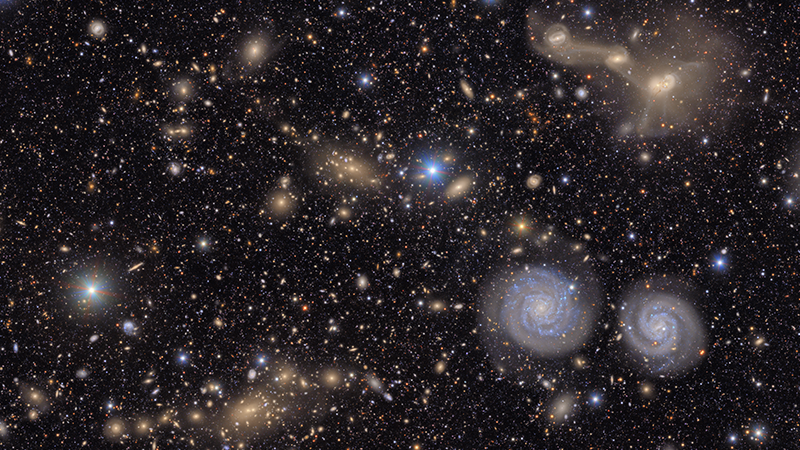
From distant stars and galaxies to asteroids whizzing through the solar system, this next-generation facility unveils its first imagery and brings the night sky to life like never before.
The NSF-DOE Vera C. Rubin Observatory, a major new scientific facility jointly funded by the U.S. National Science Foundation and the U.S. Department of Energy's Office of Science, released its first imagery today at an event in Washington, D.C. The imagery shows cosmic phenomena captured at an unprecedented scale.
In just over 10 hours of test observations, NSF-DOE Rubin Observatory has already captured millions of galaxies and Milky Way stars and thousands of asteroids. The imagery is a small preview of Rubin Observatory's upcoming 10-year scientific mission to explore and understand some of the universe's biggest mysteries.
|
|
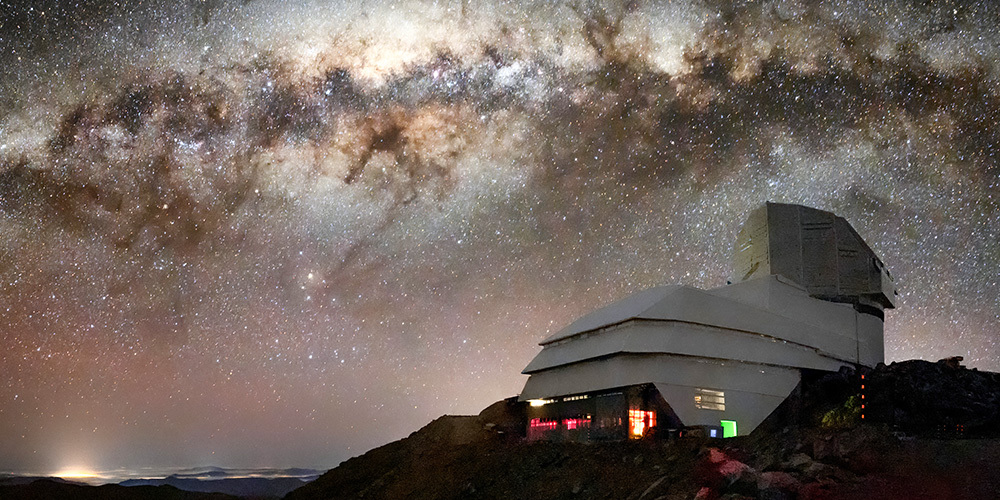  Named in honor of pioneering astronomer Vera C. Rubin, NSF-DOE Rubin Observatory will help scientists make countless discoveries about the universe — and you can participate!
Download educational resources for teachers and students and find out how to get involved as a citizen scientist.
|
|
|
Did someone forward this message to you?
You can subscribe to get NSF news and updates directly to your inbox.
|
|
|
|